Connecting Professionals with Community Needs: Making a Difference Through Skill-Based Volunteering
Discover how professionals can use their skills to meet community needs through skill-based volunteering. Learn actionable ways to impact schools and local organizations beyond teaching, with insights and tips for meaningful contributions.
4 min read

Overview
Professionals have unique skills that can transform communities. From marketing to engineering, skill-based volunteering connects professionals with community needs, creating lasting impact. This article explores how professionals can contribute to schools and local organizations, offering practical steps to get involved and make a difference.
Why Skill-Based Volunteering Matters
Communities thrive when everyone contributes. Professionals, with their specialized skills, can fill gaps that traditional volunteering might miss. Skill-based volunteering uses expertise—like accounting, graphic design, or project management—to support organizations that lack resources. Schools, nonprofits, and community groups often need this help to grow.
Imagine a small school struggling to update its website. A professional web developer could step in, saving thousands of dollars and improving the school’s outreach. This targeted approach creates deeper impact than general volunteering tasks like event setup or fundraising.

Skill-Based Volunteering in Education
Education is a powerful area for skill-based volunteering in education. Schools often lack the budget to hire specialists for tasks like marketing, data analysis, or IT support. Professionals can step in to bridge these gaps. For example, a data analyst could help a school track student performance trends, providing insights that improve teaching strategies.
Beyond technical skills, professionals can mentor students or lead workshops. A graphic designer might teach a class on digital art, inspiring creativity. These efforts show students what’s possible in their future careers while addressing immediate school needs.
How Professionals Can Impact Schools Beyond Teaching
Professionals don’t need to be teachers to make a difference in education. Here are some ways to contribute:
- Marketing and Communications: Create newsletters, social media campaigns, or branding materials to boost school visibility.
- Technology Support: Set up computer labs, troubleshoot software, or teach coding basics.
- Financial Expertise: Help schools manage budgets or apply for grants.
- Career Mentoring: Share industry insights with students to guide their career paths.
These contributions save schools money and build stronger community ties. For example, a 2023 report from the National Center for Education Statistics showed that 60% of public schools needed better technology infrastructure—a perfect opportunity for IT professionals.
Getting Started with Skill-Based Volunteering: A Guide for Professionals
Ready to get involved? Here’s a step-by-step guide to start skill-based volunteering:
- Identify Your Skills: List your professional strengths—writing, coding, design, or leadership.
- Find Opportunities: Use platforms like VolunteerMatch or Catchafire to find projects matching your expertise.
- Connect Locally: Reach out to schools or nonprofits in your area. Ask about their needs.
- Set Clear Goals: Decide how much time you can commit and what impact you want to make.
- Track Your Impact: Keep a record of your contributions to stay motivated and refine your approach.
For instance, I once helped a local nonprofit revamp its website. The project took 10 hours over two weeks, but the new site increased their donations by 20%. Small efforts can lead to big results.
Overcoming Common Challenges
Volunteering your skills isn’t always straightforward. Time constraints and mismatched expectations can be hurdles. Here’s how to tackle them:
| Challenge | Solution |
|---|---|
| Limited Time | Choose short-term projects or virtual volunteering opportunities. |
| Unclear Needs | Meet with organizations to clarify their goals before starting. |
| Skill Mismatch | Be upfront about your expertise to ensure a good fit. |
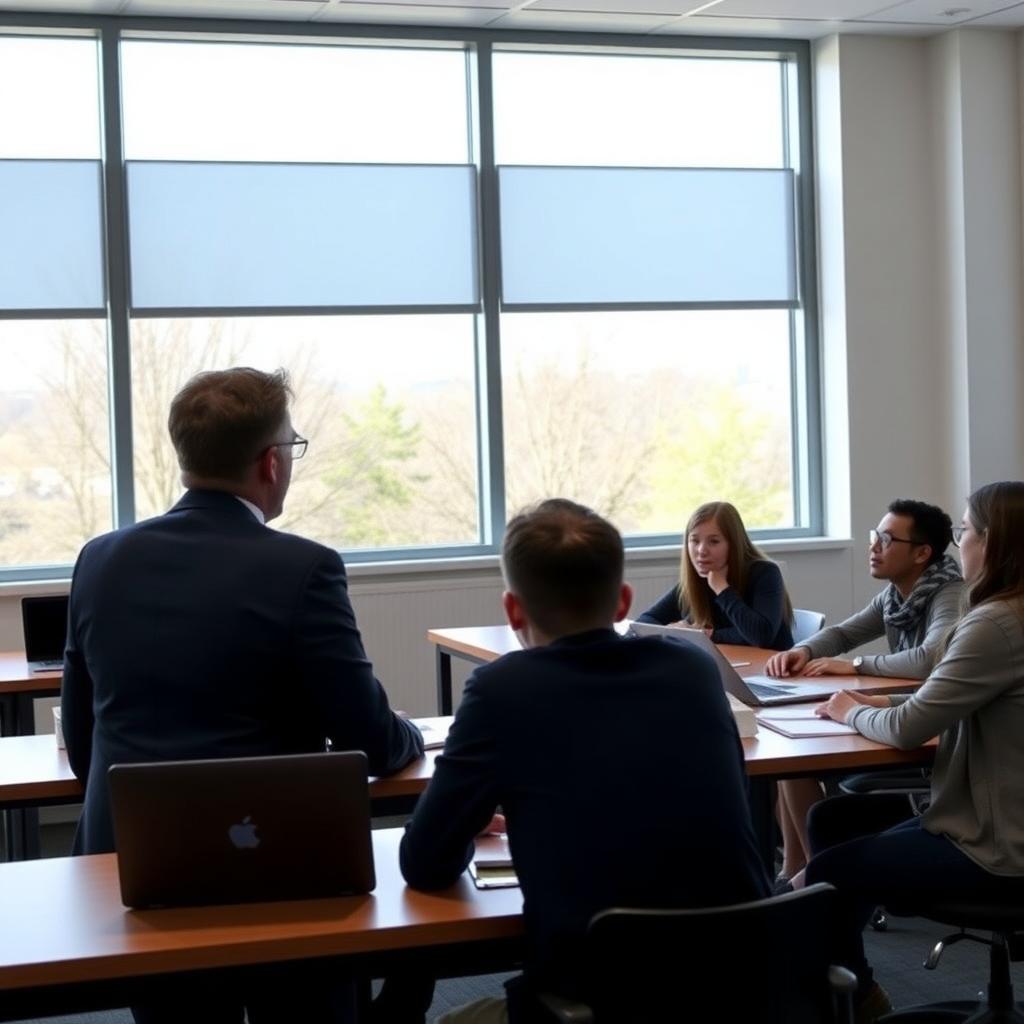
I’ve seen professionals hesitate because they’re unsure their skills are needed. But every skill has a place. A lawyer friend of mine once helped a community center draft partnership agreements, saving them legal fees. Even niche skills can make a difference.
Benefits for Professionals
Volunteering isn’t just about giving back—it’s a two-way street. Professionals gain new perspectives, expand their networks, and sharpen their skills. Working with a nonprofit taught me how to simplify complex ideas for diverse audiences, a skill I now use in my job.
Plus, volunteering can boost your resume. A 2024 LinkedIn survey found that 41% of hiring managers value volunteer experience as much as paid work. It shows leadership and initiative, qualities employers love.
Building Stronger Communities
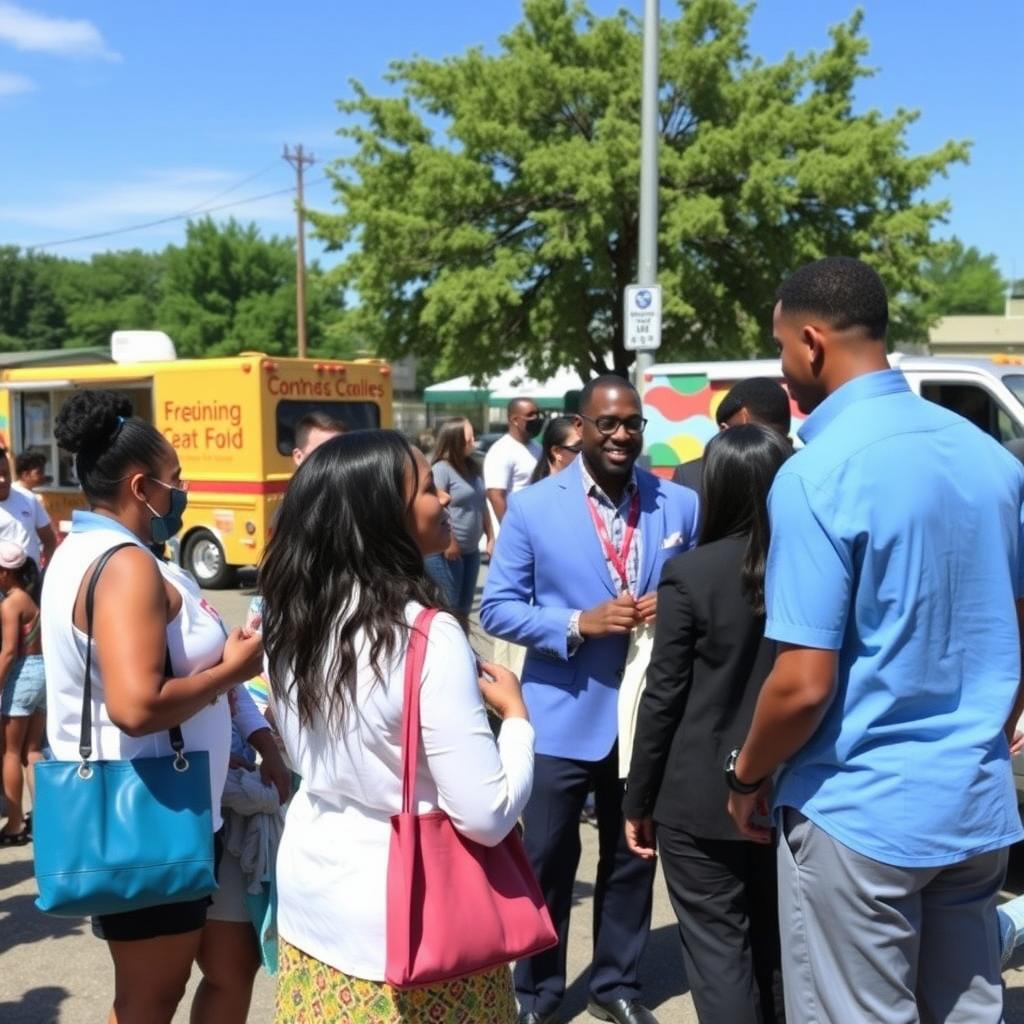
When professionals share their skills, entire communities benefit. Schools get better resources, nonprofits run more efficiently, and students gain role models. Connecting professionals with community needs creates a ripple effect. One project can inspire others to get involved, amplifying the impact.
For example, a local engineer volunteered to design a school’s science lab. Her work not only improved the space but also inspired students to pursue STEM careers. These connections build trust and collaboration across communities.
Tips for Long-Term Impact
To make your volunteering sustainable:
- Stay Consistent: Even a few hours a month can create lasting change.
- Collaborate: Team up with other professionals to tackle bigger projects.
- Reflect and Adapt: After each project, ask what worked and what didn’t.
I’ve found that regular check-ins with organizations keep projects on track. After helping a school with a marketing campaign, I followed up to see how it performed. Their feedback helped me refine my approach for future projects.
Summary
Skill-based volunteering lets professionals use their expertise to meet community needs, especially in education. By mentoring students, supporting schools, or helping nonprofits, you can create lasting change. Start small, align your skills with local needs, and watch the impact grow. Your skills are a powerful tool—use them to build stronger communities.