Crafting Impactful Messages in Advocacy
Discover practical steps to create clear, compelling messages that inspire action and drive real change in advocacy campaigns.
3 min read

Overview
Crafting impactful messages in advocacy turns passion into real change. Strong words connect with people, build support, and push decision-makers to act. This guide shares simple, proven ways to create messages that stick and move your cause forward.

Why Messages Matter in Advocacy
Good messages do more than inform—they motivate. They help people understand the issue, feel its importance, and know what to do next.
In my years supporting local environmental and health causes, I've seen weak messages fade quickly while strong ones spark rallies, petitions, and policy wins. When you learn how to start an advocacy campaign, the first step is always a clear, powerful message.
Know Your Audience First
You can't reach everyone the same way. Tailor your words to who you're speaking to—policymakers want facts and solutions, while the public responds to stories and emotions.
Ask yourself: - What do they already know? - What worries or motivates them? - What myths might block your message?
The National Institutes of Health guide on advocacy stresses tailoring messages to audience knowledge and cultural views for maximum impact.
Core Elements of a Strong Message
Every effective message includes these parts:
| Element | Why It Works | Example |
|---|---|---|
| Clear Problem | Shows why action is urgent | "Thousands suffer needlessly from preventable diseases." |
| Facts & Data | Builds credibility | "30% of cases can be prevented with known steps." |
| Human Story | Creates emotional connection | "Maria lost her home to flooding last year." |
| Simple Solution | Gives hope and direction | "Support local early-warning systems." |
| Direct Ask | Tells people exactly what to do | "Contact your representative today." |
This structure comes from proven guides like the Crafting Your Advocacy Message resource from The National Council, which emphasizes heart-and-head appeal.
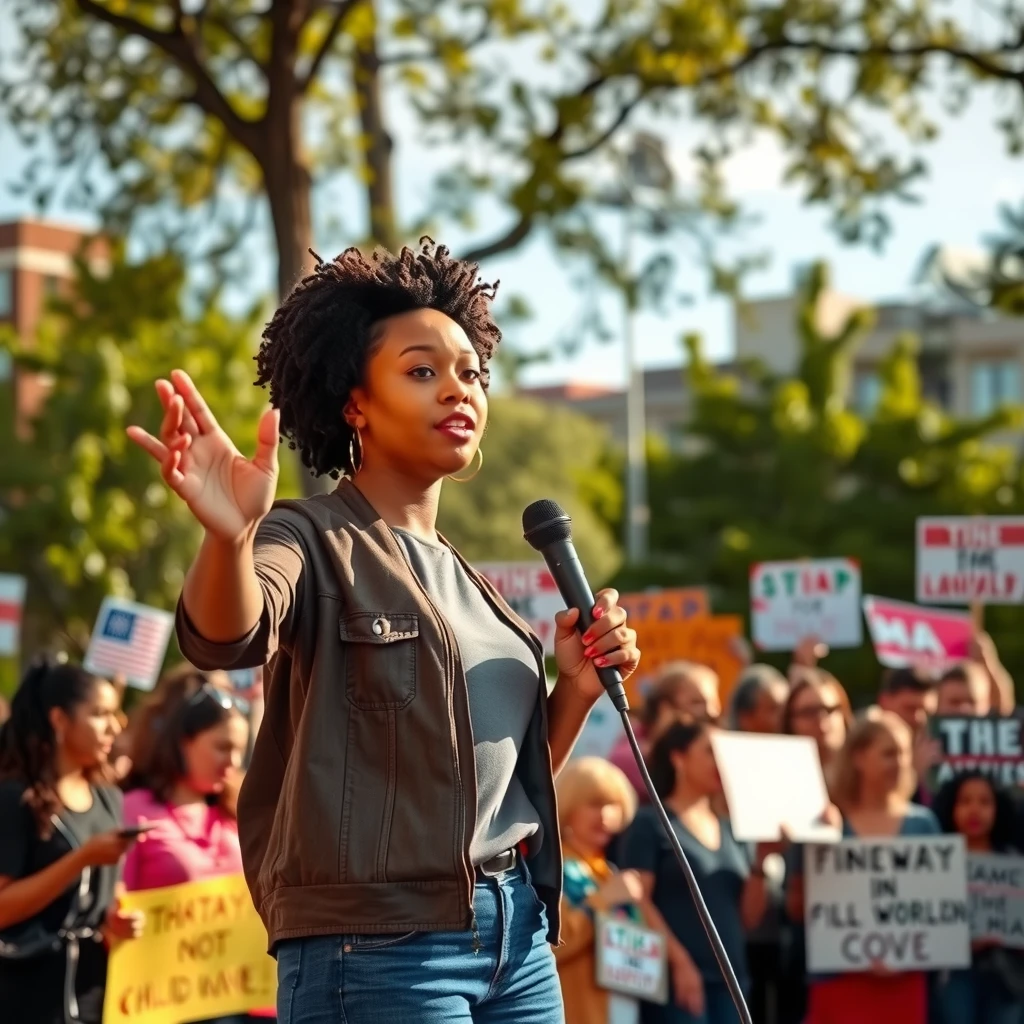
Use a Simple Framework
One helpful tool is a messaging framework. It helps you shift beliefs and encourage action.
A solid approach includes: 1. Identify current beliefs 2. State desired new beliefs 3. Build messages that bridge the gap 4. Add proof and stories
The Open Contracting Partnership's Advocacy Messaging Framework Template offers a clear table to fill in these steps for any campaign.
Make It Personal with Stories
Facts tell, but stories sell. Share real experiences—yours or others'—to make the issue human.
In one campaign I joined, a volunteer's short story about her family's struggle got more signatures than pages of statistics. Stories build trust and stay in memory longer.
Keep Language Simple and Active
Write like you speak. Use short sentences. Choose active verbs: "Join us" beats "Participation is encouraged."
Avoid jargon. Aim for an eighth-grade reading level so everyone understands. Repeat your core message often—consistency builds recognition.
Include a Clear Call to Action
Never leave people wondering what to do. End every message with a specific, easy step: - Sign the petition - Call your senator - Share this post - Volunteer this weekend
Clear asks turn sympathy into action.
Involve Volunteers Early
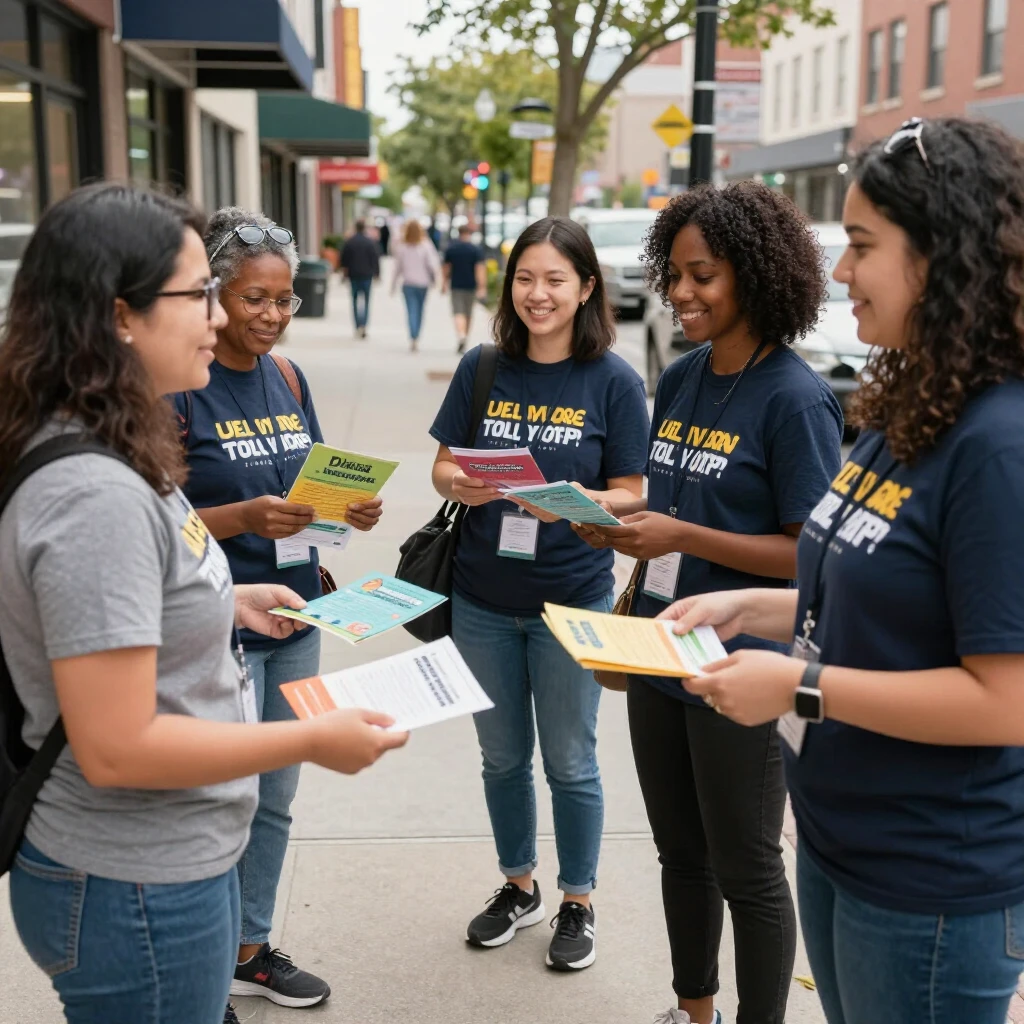
Volunteers spread your message best. Train them on key talking points so everyone says the same thing.
Give them ready materials—social media graphics, flyers, email templates. When volunteers feel confident, they become your strongest voices.
Test and Improve Your Messages
Try different versions. Ask small groups which one moves them most. Track results—shares, signatures, donations.
Small changes often bring big improvements. Stay flexible and keep refining.
Real-World Examples That Worked
The #MeToo movement spread with a simple, repeatable phrase that invited personal stories. Environmental campaigns like Earth Hour used one clear ask—turn off lights for one hour—to reach millions.
These show that focused, emotional messages can create global change.
Final Thoughts
Crafting impactful messages in advocacy takes practice, but anyone can learn it. Start small, listen to feedback, and stay true to your cause.
When you speak clearly and from the heart, people listen—and act. Your words can change lives and communities. Keep going.
Quick Checklist for Your Next Message
- Does it name the problem clearly?
- Does it touch both heart and head?
- Is the solution simple?
- Is there one clear ask?
- Can a volunteer share it confidently?