Creating a Volunteer Handbook: A Step-by-Step Guide
Learn how to create a comprehensive volunteer handbook with this step-by-step guide. Discover best practices for engaging volunteers, structuring programs, and fostering commitment in nonprofits. Perfect for organizations aiming to build impactful volunteer programs.
4 min read

Overview
A well-crafted volunteer handbook is the backbone of any successful volunteer program. It sets clear expectations, builds trust, and ensures volunteers feel valued. This guide walks you through Creating a Volunteer Handbook: A Step-by-Step Guide, offering practical tips to create a resource that supports Developing Impactful Volunteer Programs and keeps volunteers engaged.
Why a Volunteer Handbook Matters
Volunteers are the heart of many nonprofits, but without clear guidance, even the most enthusiastic helpers can feel lost. A handbook isn’t just a document—it’s a tool to align your team, reduce confusion, and boost retention. When I worked with a small community organization, we noticed volunteers often dropped off after a few weeks. The problem? No clear direction. After creating a handbook, retention improved by 30% in six months. A handbook gives volunteers confidence and shows you value their time.
It also protects your organization. Clear policies reduce misunderstandings and ensure everyone knows their role. Whether you’re a small nonprofit or a large charity, Creating Impactful Volunteer Programs: A Guide for Nonprofits starts with a solid handbook.

Step 1: Define Your Program’s Purpose
Before writing, clarify your volunteer program’s goals. Are you focused on community outreach, fundraising, or event support? Write a mission statement that reflects your nonprofit’s values. For example, a local food bank might state: ‘Our volunteers empower communities by distributing food with dignity and care.’ This sets the tone for your handbook and aligns volunteers with your cause.
Involve your team in this step. Gather input from staff and current volunteers to ensure the handbook reflects real needs. When I helped a literacy nonprofit, we held a brainstorming session with volunteers. Their feedback shaped a handbook that felt personal and relevant, not just a generic rulebook.
Step 2: Outline Key Sections
A good handbook covers the essentials without overwhelming readers. Here’s a suggested structure:
| Section | Purpose |
|---|---|
| Welcome Message | Sets a warm, inclusive tone |
| Organization Mission | Connects volunteers to your cause |
| Roles and Responsibilities | Clarifies tasks and expectations |
| Policies and Procedures | Outlines rules, safety, and conduct |
| Training and Support | Details onboarding and resources |
| FAQs | Answers common questions |
Keep each section concise. Volunteers want clarity, not a novel.
Step 3: Write Clear, Engaging Content
Use simple, direct language. Avoid jargon like ‘synergy’ or ‘capacity building.’ Instead, say, ‘We work together to make a difference.’ Active voice keeps things lively: ‘Greet visitors warmly’ is better than ‘Visitors should be greeted.’ When I drafted a handbook for a youth mentorship program, we used short sentences and bullet points to make it skimmable. Volunteers appreciated the clarity.
Include real examples. For instance, describe a typical volunteer task: ‘As an event greeter, you’ll welcome guests, check them in, and answer questions about our programs.’ This helps volunteers visualize their role. For tips on keeping volunteers engaged, check out How to Recruit Volunteers Who Stick Around in our recommended readings.

Step 4: Highlight Policies and Expectations
Clear policies prevent problems. Cover attendance, dress code, confidentiality, and safety. For example, a food bank might include: ‘Wear closed-toe shoes for safety in the warehouse.’ Be specific but kind. Instead of ‘Don’t be late,’ try ‘Please arrive 10 minutes early to ensure a smooth start.’
Include a code of conduct. Outline how volunteers should treat each other and your clients. For instance, ‘Treat everyone with respect, regardless of background.’ Reference external resources like the National Council of Nonprofits for guidance on best-practices-in-volunteer-program-management.
Step 5: Add Training and Support Details
Volunteers need to know how they’ll be trained and supported. Describe onboarding sessions, mentorship programs, or online resources. For example, ‘New volunteers attend a one-hour orientation to learn about our programs.’ When I worked with an animal shelter, we included a section on who to contact for help. This small detail made volunteers feel supported and reduced turnover.
Step 6: Make It Accessible and Visually Appealing
Design matters. Use a clean layout with bold headings, bullet points, and plenty of white space. If printing, choose a readable font like Arial or Calibri. For digital versions, ensure it’s mobile-friendly. Test the PDF on your phone to confirm it’s easy to read. Include your nonprofit’s branding—colors, logos, and a friendly tone—to make it feel cohesive.
Step 7: Get Feedback and Revise
Before finalizing, share the draft with staff and volunteers. Ask: Is it clear? Does it answer your questions? When I helped a community garden create their handbook, volunteer feedback led us to add a section on weather-related cancellations. This made the handbook more practical and showed volunteers their input mattered.
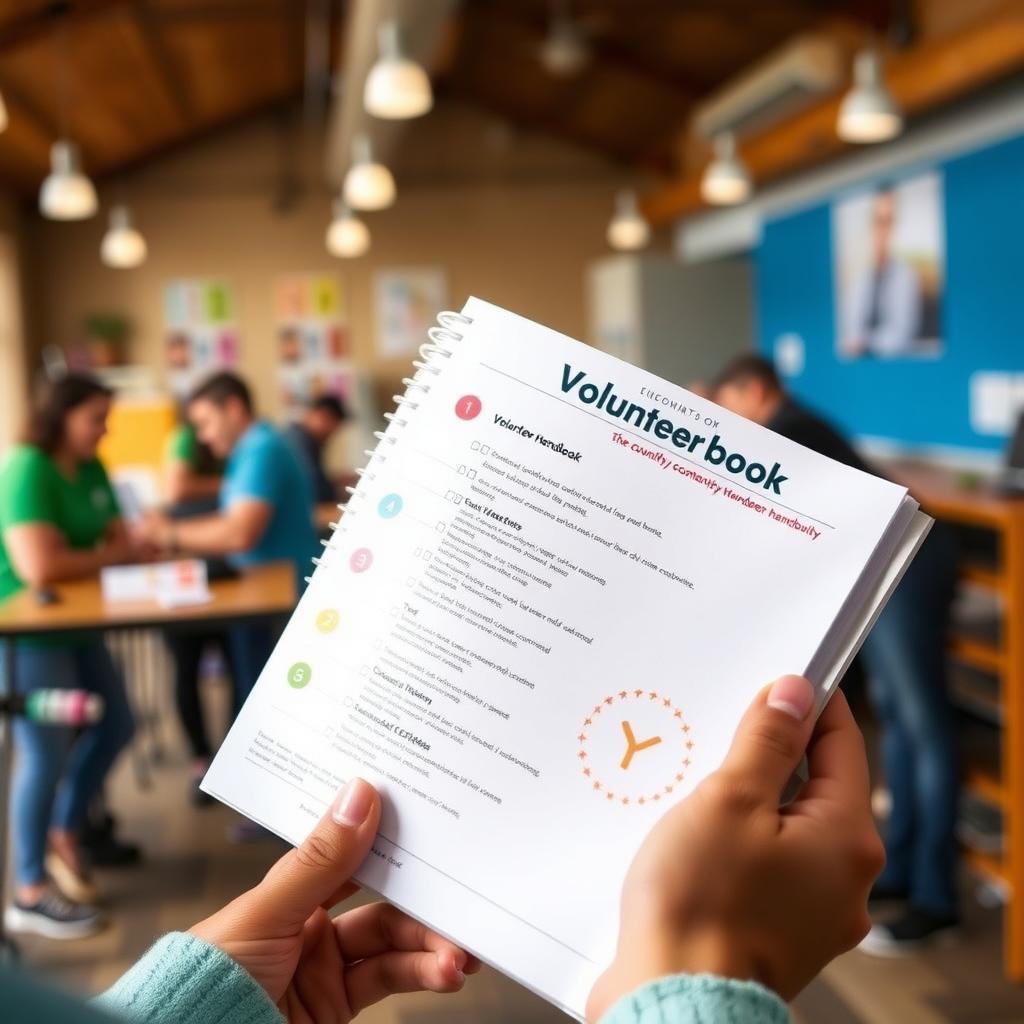
Step 8: Distribute and Update Regularly
Share the handbook during onboarding, either digitally or in print. Make it available on your website for easy access. Update it annually or when policies change. For example, after a new safety protocol was introduced at a nonprofit I worked with, we revised the handbook and emailed volunteers the updated version. This kept everyone informed and engaged.
Common Mistakes to Avoid
- Overloading with Information: Keep it concise. Volunteers won’t read a 50-page manual.
- Ignoring Volunteer Input: Their perspective ensures the handbook meets real needs.
- Neglecting Updates: Outdated policies confuse volunteers and staff.
- Being Too Formal: A friendly tone builds connection.
By avoiding these pitfalls, you’ll create a handbook that supports Developing Impactful Volunteer Programs.
Summary
Creating a Volunteer Handbook: A Step-by-Step Guide is about more than rules—it’s about building a welcoming, clear, and engaging volunteer experience. From defining your program’s purpose to designing an accessible layout, each step strengthens your nonprofit’s foundation. Use this guide to craft a handbook that inspires volunteers to stay committed and make a difference.