Crowdfunding Basics for Community Initiatives: A Comprehensive Guide
Discover the essentials of crowdfunding for community projects with this step-by-step guide. Learn how to plan, launch, and manage a successful campaign, explore top service learning grant providers, and gain actionable insights to fund impactful initiatives.
5 min read
Overview
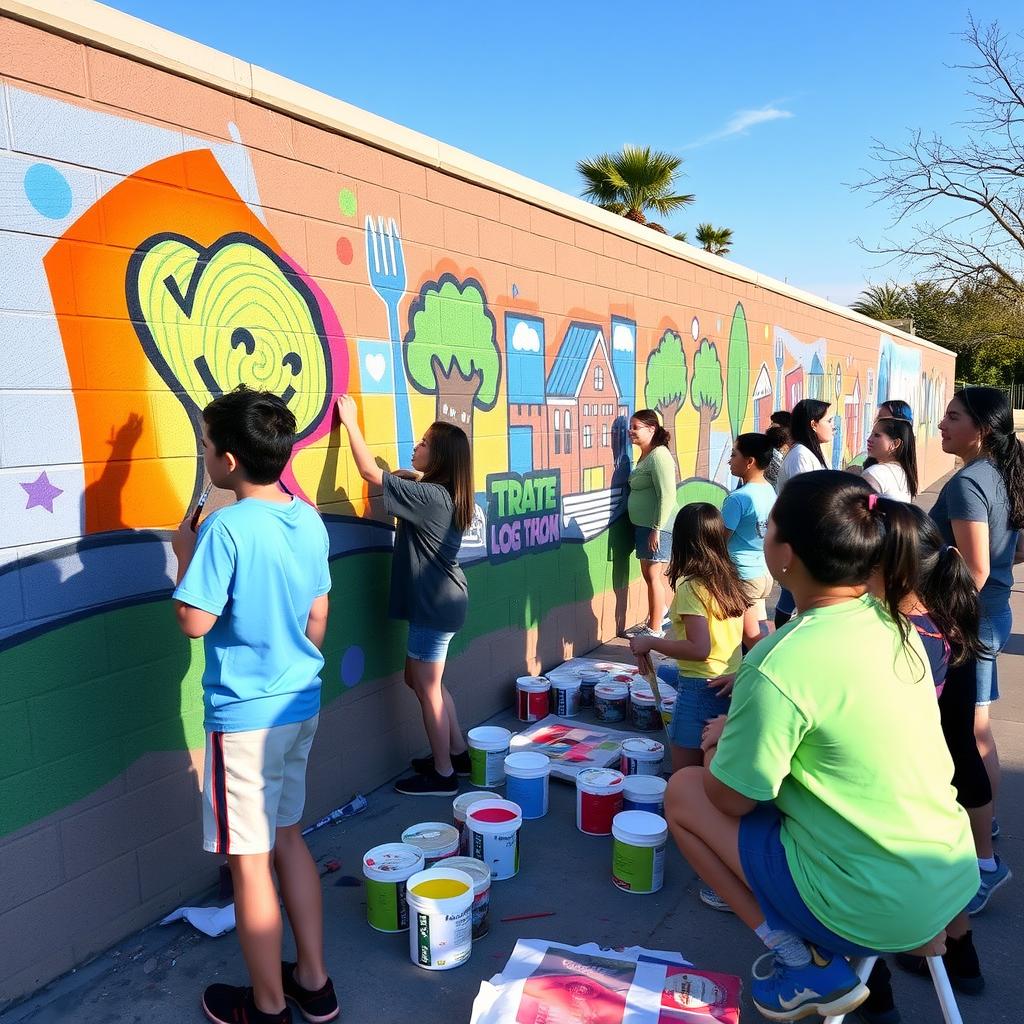
Crowdfunding has become a game-changer for community initiatives, empowering neighborhoods to turn ideas into reality. Whether it’s a new park, a youth program, or a local art project, Crowdfunding Basics for Community Initiatives offers a clear path to secure funding. This guide breaks down the process, shares personal insights, and highlights key strategies to make your campaign a success.
What Is Crowdfunding for Community Initiatives?
Crowdfunding is a way to raise money by collecting small contributions from many people, usually online. For community initiatives, it’s a tool to fund projects that improve local life, like building a playground or hosting a cultural festival. Unlike traditional funding, crowdfunding taps into the power of community support, making everyone feel involved.
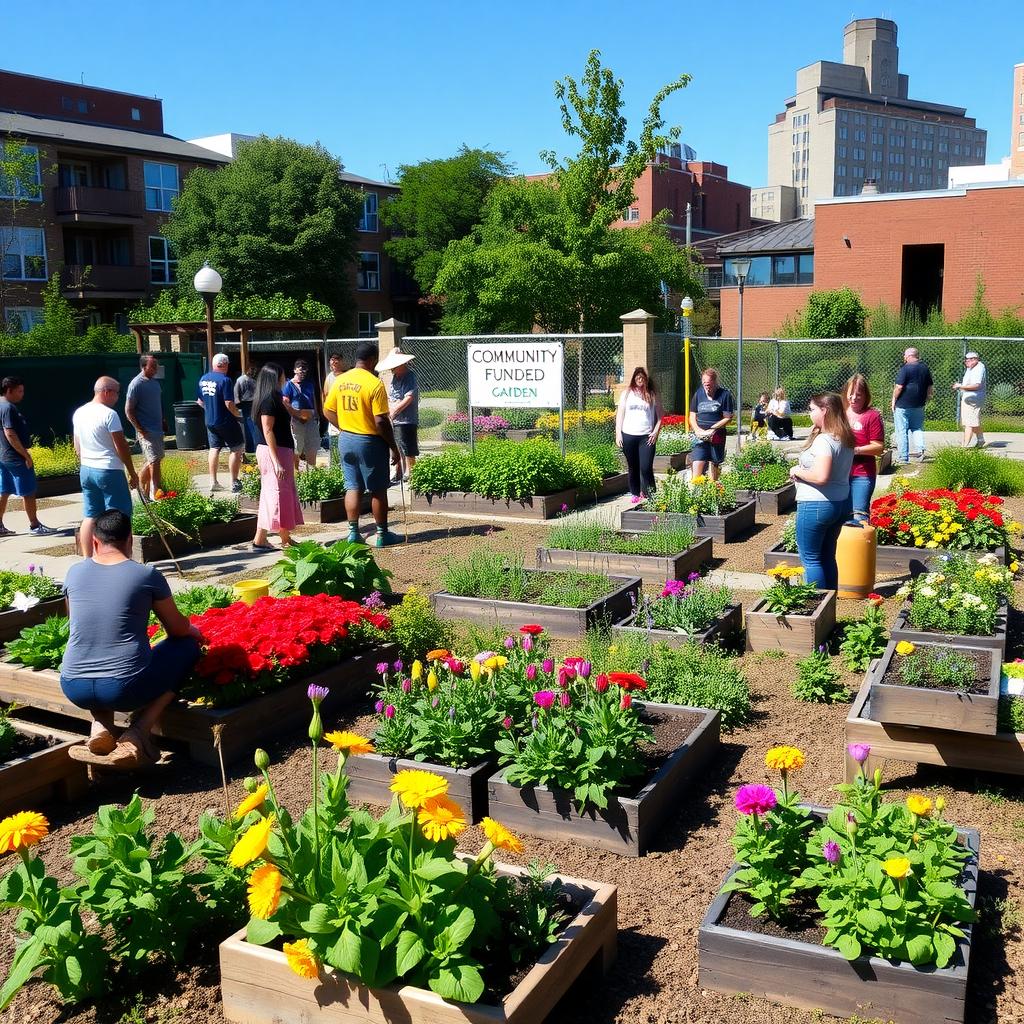
I once helped a group of neighbors crowdfund a community garden. We raised $3,000 in just three weeks by sharing our story on social media. It showed me how crowdfunding can bring people together for a shared goal. Platforms like Kickstarter, GoFundMe, and Indiegogo make it easy to connect with supporters worldwide.
Why Choose Crowdfunding for Community Projects?
Crowdfunding is inclusive. It lets anyone contribute, from a $5 donation to a $500 pledge. This opens doors for projects that might not attract big donors or grants. It’s also a great way to build excitement and engagement. When people donate, they feel like part of the project.
Another perk is flexibility. You can fund anything from a one-time event to a long-term initiative. Plus, crowdfunding campaigns spread awareness. A local library project I supported gained traction after a viral video showed kids reading in a rundown space. The campaign raised $15,000, far exceeding its goal, thanks to social media shares.
Funding Community Projects: A Step-by-Step Guide
To succeed in crowdfunding, follow these steps:
1. Define Your Project and Goals
Start by clarifying what your project is and why it matters. Is it a mural to beautify a street? A tutoring program for kids? Be specific. For example, a group I worked with wanted to build a dog park. We set a clear goal: $10,000 for fencing, benches, and water stations.
Use the SMART framework—Specific, Measurable, Achievable, Relevant, Time-bound. A vague goal like “improve the neighborhood” won’t inspire. Instead, aim for “raise $5,000 in 30 days for a community cleanup.”
2. Create a Budget
List every expense. For the dog park, we calculated costs for materials, permits, and maintenance. A clear budget builds trust with donors. Here’s an example:
| Item | Cost |
|---|---|
| Fencing | $4,000 |
| Benches | $2,000 |
| Water Station | $1,500 |
| Permits | $1,000 |
| Promotion | $1,500 |
| Total | $10,000 |
This transparency helped us explain exactly how donations would be used.
3. Choose the Right Platform
Pick a platform that fits your project. Kickstarter is great for creative initiatives, while GoFundMe suits community causes. Indiegogo offers flexible funding, letting you keep what you raise even if you miss your goal. Research fees—most platforms charge 5-8% per transaction. For our garden project, we chose GoFundMe because it was user-friendly and widely recognized.

4. Craft a Compelling Story
Your campaign page is your pitch. Tell a story that grabs attention. Why does this project matter? Who will it help? For the library campaign, we shared stories of kids who lacked access to books. Include visuals—photos or a short video work wonders. According to a study by the University of Pennsylvania, campaigns with videos raise 50% more than those without. Learn more about effective storytelling.
5. Promote Your Campaign
Spread the word through social media, emails, and local events. Engage your network early. For our garden, we posted daily updates on Instagram, sharing photos of volunteers planting seeds. Local businesses shared our campaign, boosting visibility. Don’t just ask for money—invite people to join the cause. A personal touch, like thanking donors publicly, goes a long way.
6. Manage Funds Responsibly
Once funded, track every dollar. Update supporters on progress. For the dog park, we sent monthly emails showing construction updates. This built trust and encouraged future support. Use tools like spreadsheets or budgeting apps to stay organized. Transparency is key to maintaining credibility.
Top Service Learning Grant Providers
For projects combining education and community impact, service learning grants and funding can complement crowdfunding. These grants support initiatives where participants learn while serving. Here are top providers:
- Community Impact Foundation: Offers $5,000-$50,000 for projects addressing social issues, like youth mentorship programs. Explore their grants.
- Learn and Serve America: Funds school-based service learning projects focused on student growth. Learn more.
- Corporate Giving for Good: Provides cash and volunteer support for community efforts. Check their programs.

Combining Crowdfunding and Grants
Crowdfunding and grants can work together. Use crowdfunding for quick funds or to show community support, which strengthens grant applications. For a youth program I helped, our $2,000 crowdfunding campaign impressed a grant provider, leading to a $10,000 award. This hybrid approach maximizes resources and impact.
Challenges and How to Overcome Them
Crowdfunding isn’t always easy. Campaigns can stall if the story isn’t compelling or promotion is weak. To avoid this, test your pitch with friends first. Another challenge is donor fatigue—people may hesitate to give again. Offer small rewards, like a thank-you note or project updates, to keep them engaged. For our garden, we gave donors seed packets, which they loved.
Tips for Success
- Start Small: Test your campaign with a modest goal to build momentum.
- Engage Early: Reach out to close contacts before launching publicly.
- Be Authentic: Share real stories and emotions to connect with donors.
- Track Progress: Use analytics from platforms like GoFundMe to monitor views and donations.
- Follow Up: Thank donors and share project outcomes to build long-term support.
Summary
Crowdfunding empowers communities to fund projects that matter, from gardens to youth programs. By following a clear plan—defining goals, budgeting, storytelling, and promoting—you can turn ideas into reality. Pairing crowdfunding with service learning grants and funding amplifies impact. With dedication and transparency, your initiative can thrive, bringing people together for a shared purpose.