Cultural Etiquette Guidelines for Volunteers: Navigating International Service with Respect
Discover essential cultural etiquette guidelines for volunteers abroad. Learn how to respect local customs, build meaningful connections, and make a positive impact while volunteering internationally and learning a language.
4 min read
Overview
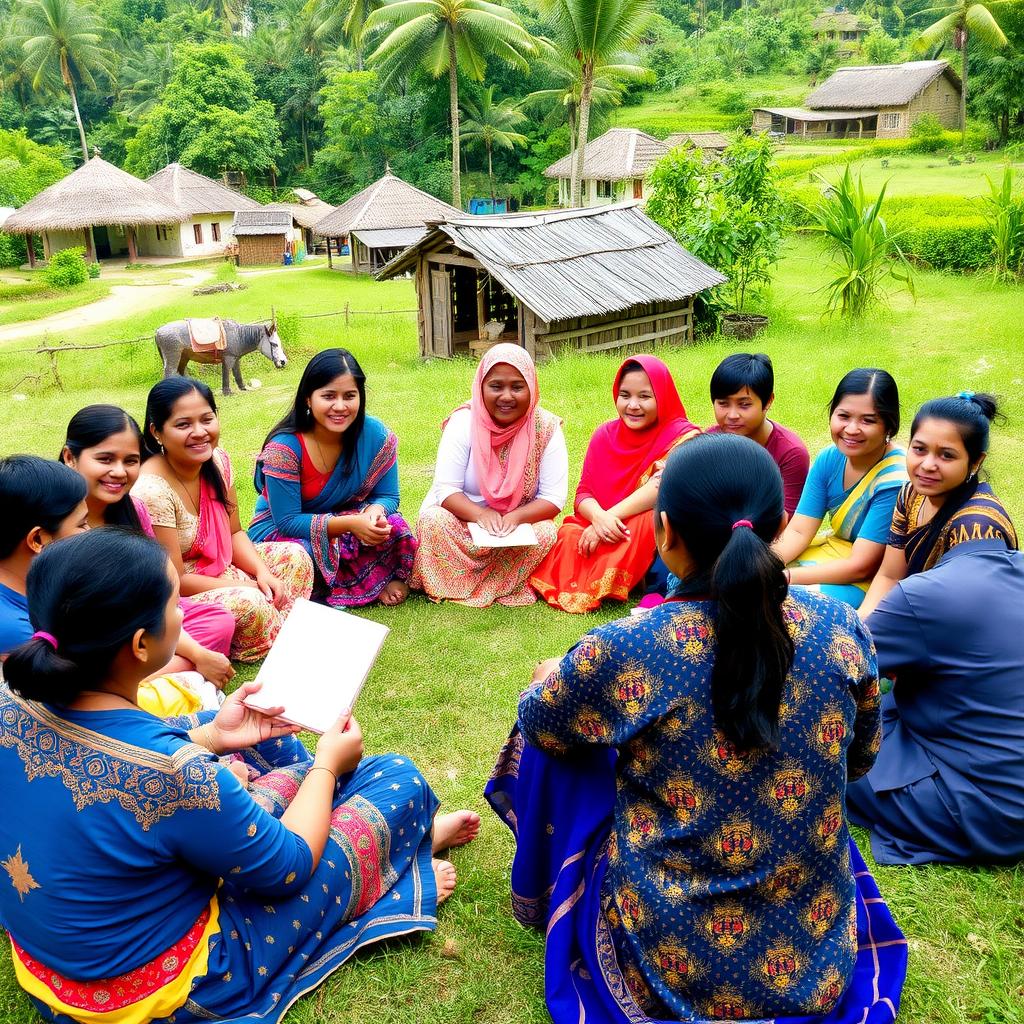
Volunteering abroad is a life-changing experience that blends service, cultural immersion, and personal growth. Whether you're teaching English in Thailand or building homes in Guatemala, understanding Cultural Etiquette Guidelines for Volunteers is key to making a positive impact. This guide offers practical tips to navigate cultural differences respectfully and effectively.
Why Cultural Etiquette Matters for Volunteers
When you volunteer abroad and learn a language, you're not just offering your time—you’re stepping into someone else’s world. Every culture has unique customs, values, and social norms. Ignoring these can lead to misunderstandings or even harm the communities you aim to help. Respecting local etiquette builds trust, fosters collaboration, and ensures your work leaves a lasting, positive mark.
Cultural sensitivity starts with awareness. For example, a simple handshake might be polite in one country but inappropriate in another. By learning these nuances, volunteers show respect and create stronger connections with locals. This guide draws from real experiences and expert insights to help you navigate international volunteering with confidence.

Research Before You Go
Preparation is the foundation of respectful volunteering. Before you travel, research the culture of your host country. Learn about its history, religion, and social norms. For example, in Japan, bowing is a common greeting, while direct eye contact can be seen as confrontational. In contrast, firm handshakes are expected in many Western countries.
Start with reputable sources like Cultural Atlas, which provides detailed cultural profiles for over 100 countries. This resource helps volunteers understand etiquette, communication styles, and societal values.
Talk to past volunteers or locals if possible. Their firsthand insights can reveal nuances that guidebooks miss. For instance, a volunteer in Morocco shared with me that offering to share food, even if it’s just a small snack, is a powerful gesture of goodwill in many North African communities.
Dress Appropriately
Clothing sends a strong message. In many cultures, modest dress is a sign of respect. For women volunteering in conservative regions like parts of the Middle East or South Asia, this might mean covering shoulders and knees. Men may need to avoid shorts or sleeveless shirts.
In my experience volunteering in rural India, I learned that bright, traditional clothing like a kurta not only showed respect but also sparked conversations with locals. Always check local dress codes before packing. Websites like Lonely Planet offer practical travel advice, including region-specific clothing guidelines.
Master Basic Communication
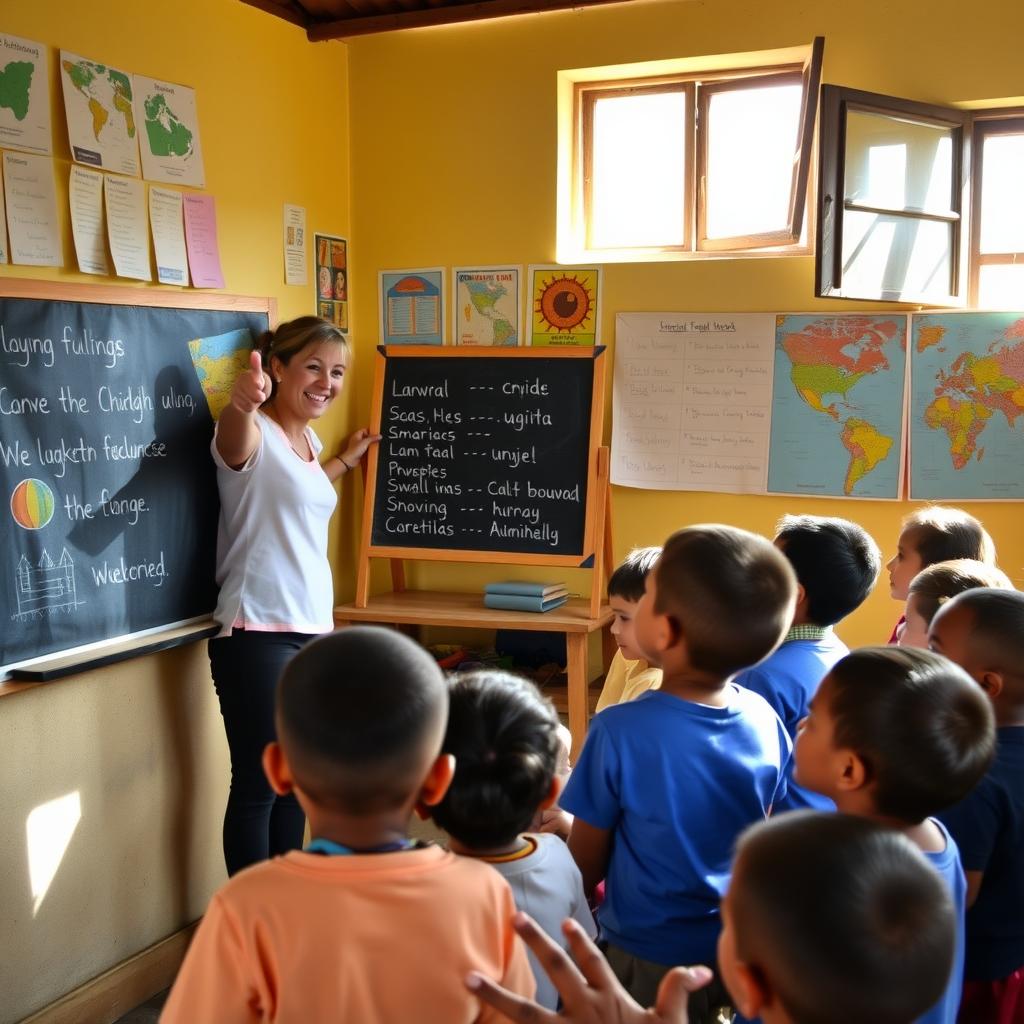
Language barriers are common in international volunteering, but effort goes a long way. Learning a few phrases in the local language shows respect and opens doors. For example, saying “salaam” (hello) in Arabic-speaking countries or “sawasdee” in Thailand instantly builds rapport.
If you’re volunteering abroad and learning a language, use your service as a chance to practice. Locals often appreciate your effort, even if your pronunciation isn’t perfect. Apps like Duolingo or resources from Ethnologue can help you learn basic phrases and understand linguistic diversity.
Respect Local Customs and Traditions
Every culture has unique traditions, from religious practices to daily routines. As a volunteer, observe and adapt. For example, in many Asian cultures, removing shoes before entering a home is standard. In Muslim-majority countries, pausing work during prayer times shows respect for local practices.
During a volunteer trip to Kenya, I noticed how meals were often communal, with everyone eating from shared plates. Joining in, rather than insisting on my own plate, helped me connect with the community. Always ask questions respectfully if you’re unsure about a custom.
Be Mindful of Body Language
Body language varies widely across cultures. In some places, pointing with your finger is rude, while in others, a thumbs-up is offensive. In Thailand, for instance, touching someone’s head is disrespectful because it’s considered the most sacred part of the body.
Before you go, study common gestures. The Peace Corps’ Cultural Training Resources offer excellent tips on nonverbal communication for volunteers. Practicing these small adjustments can prevent unintentional offense.
Build Relationships, Not Assumptions
Volunteering isn’t just about completing tasks—it’s about building relationships. Avoid assuming you know what a community needs. Instead, listen to locals and follow their lead. A volunteer in Peru told me how her group initially planned to build a school, but locals prioritized clean water access. By listening, they made a bigger impact.
Take time to learn names, share stories, and participate in daily life. These small acts show you value the community as equals, not just as recipients of your help.
Handle Mistakes Gracefully
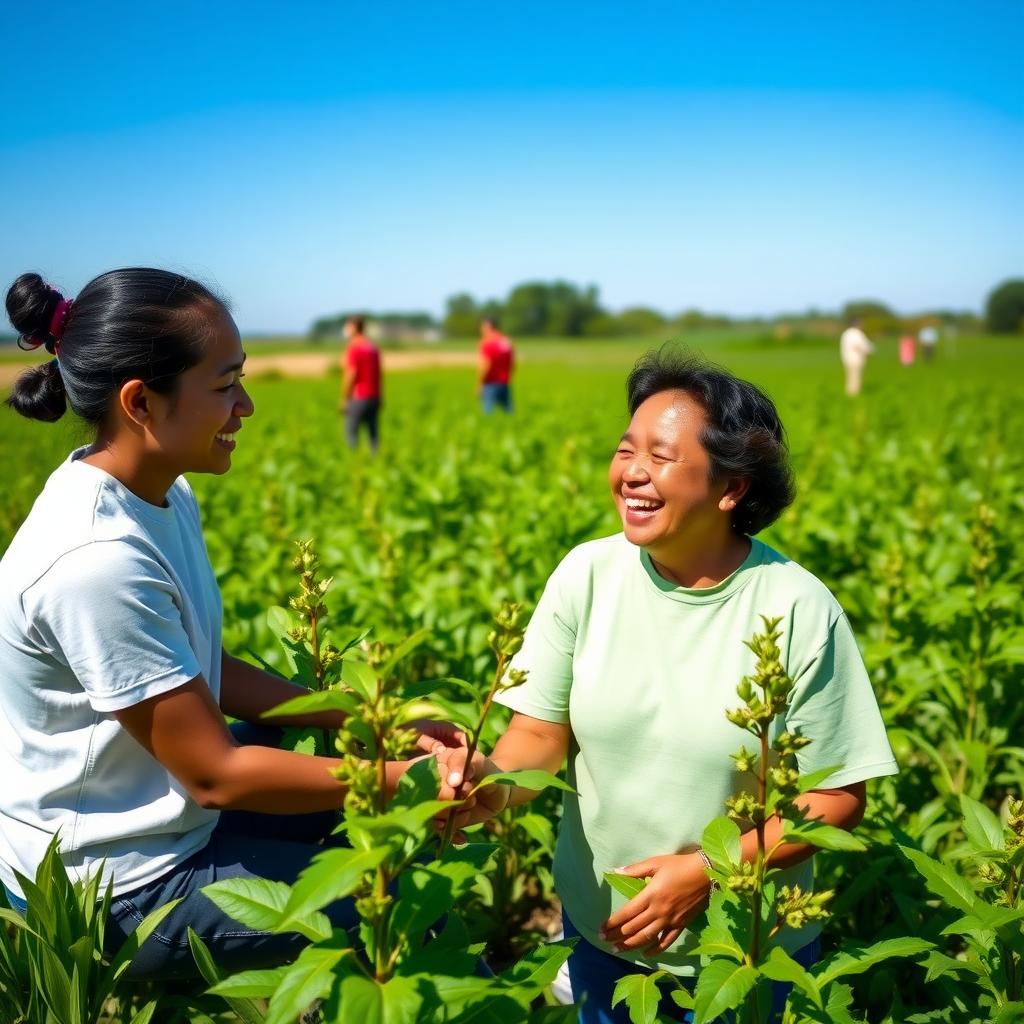
Mistakes happen. You might use the wrong greeting or misunderstand a custom. When it happens, apologize sincerely and learn from it. In my experience, locals are often forgiving when they see genuine effort. A simple “I’m sorry, I’m still learning” can turn a misstep into a moment of connection.
Keep a journal to reflect on these moments. It’s a great way to track what you’ve learned and avoid repeating mistakes.
Practical Tips for Cultural Etiquette
Here’s a quick checklist to guide your volunteer journey:
| Do | Don’t |
|---|---|
| Research local customs before you go | Assume your norms apply everywhere |
| Dress modestly and appropriately | Wear revealing or flashy clothing |
| Learn basic local phrases | Rely solely on English |
| Observe and ask questions | Make assumptions about needs |
| Be open to feedback | Get defensive if corrected |
This table isn’t exhaustive, but it’s a solid starting point for any volunteer.
Summary
Cultural Etiquette Guidelines for Volunteers are about respect, preparation, and humility. By researching, dressing appropriately, communicating thoughtfully, and building genuine relationships, you can make a meaningful impact while volunteering abroad and learning a language. Approach each experience with an open heart, and you’ll not only help others but also grow personally.