Cultural Etiquette: Dos and Don’ts When Volunteering Abroad
Discover essential cultural etiquette tips for volunteering abroad. This comprehensive guide covers dos and don’ts, practical advice, and personal insights to ensure respectful and impactful international volunteering experiences while embracing local cultures.
5 min read
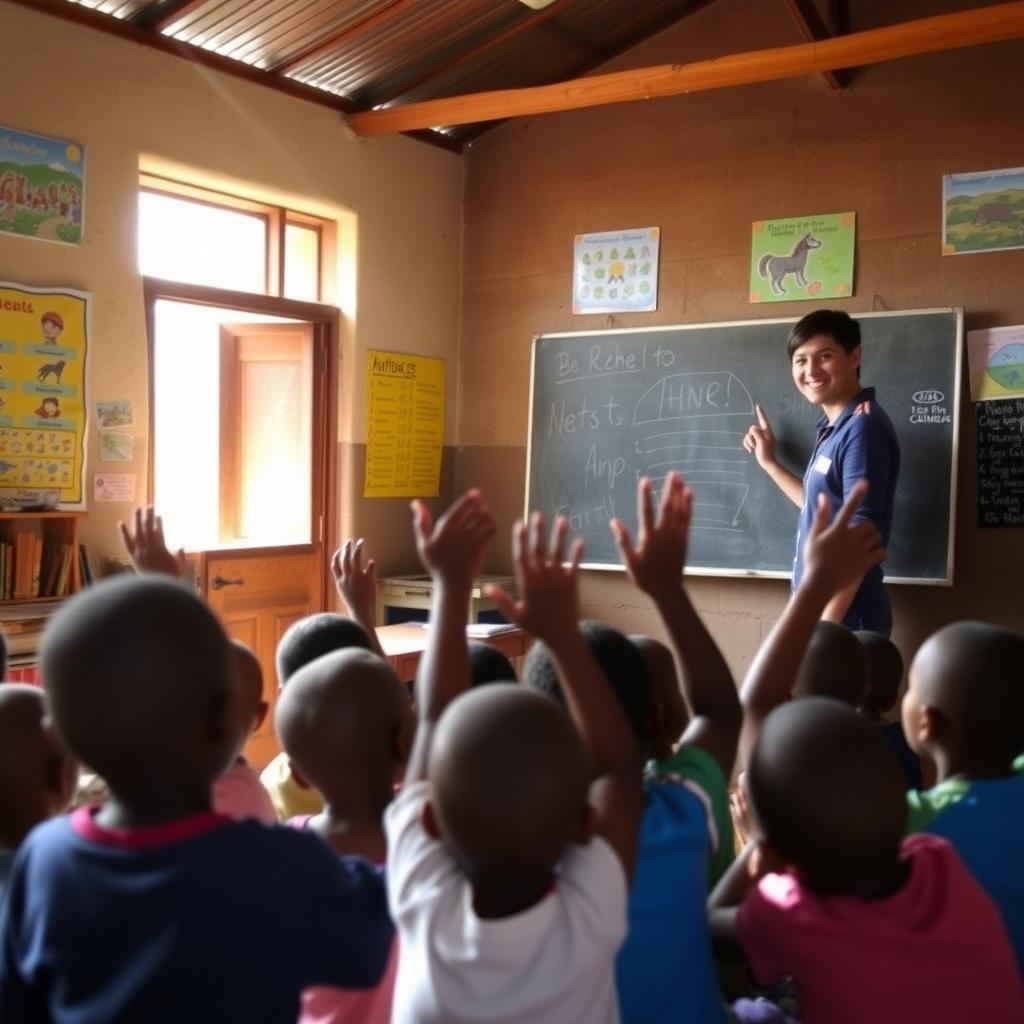
Volunteering abroad is a life-changing experience that lets you give back while immersing yourself in a new culture. Whether you’re teaching English in Thailand, building homes in Guatemala, or working on conservation projects in Kenya, understanding cultural etiquette is key to making a positive impact. This guide, Cultural Etiquette: Dos and Don’ts When Volunteering Abroad, offers practical advice to help you navigate unfamiliar customs with respect and confidence.
When you volunteer abroad, you’re not just a traveler—you’re a guest in someone else’s home. Small actions, like greeting locals in their language or dressing appropriately, can build trust and show respect. On the flip side, ignoring local norms can lead to misunderstandings or even harm the communities you’re trying to help. Let’s dive into the dos and don’ts to make your international volunteering experience meaningful and respectful.
Why Cultural Etiquette Matters
Cultural etiquette isn’t just about being polite; it’s about building genuine connections. When I volunteered in a rural school in Peru, I learned that taking time to understand local customs—like sharing meals with families or joining community events—made my work more impactful. Research from The University of Oxford’s Centre for Tropical Medicine and Global Health shows that culturally sensitive volunteers are more likely to gain community trust, leading to better project outcomes.
Ignoring cultural norms can have the opposite effect. For example, wearing revealing clothing in conservative areas or taking photos without permission can offend locals and undermine your efforts. By learning the dos and don’ts, you’ll not only avoid mistakes but also deepen your cultural understanding—maybe even volunteer abroad and learn a language along the way.
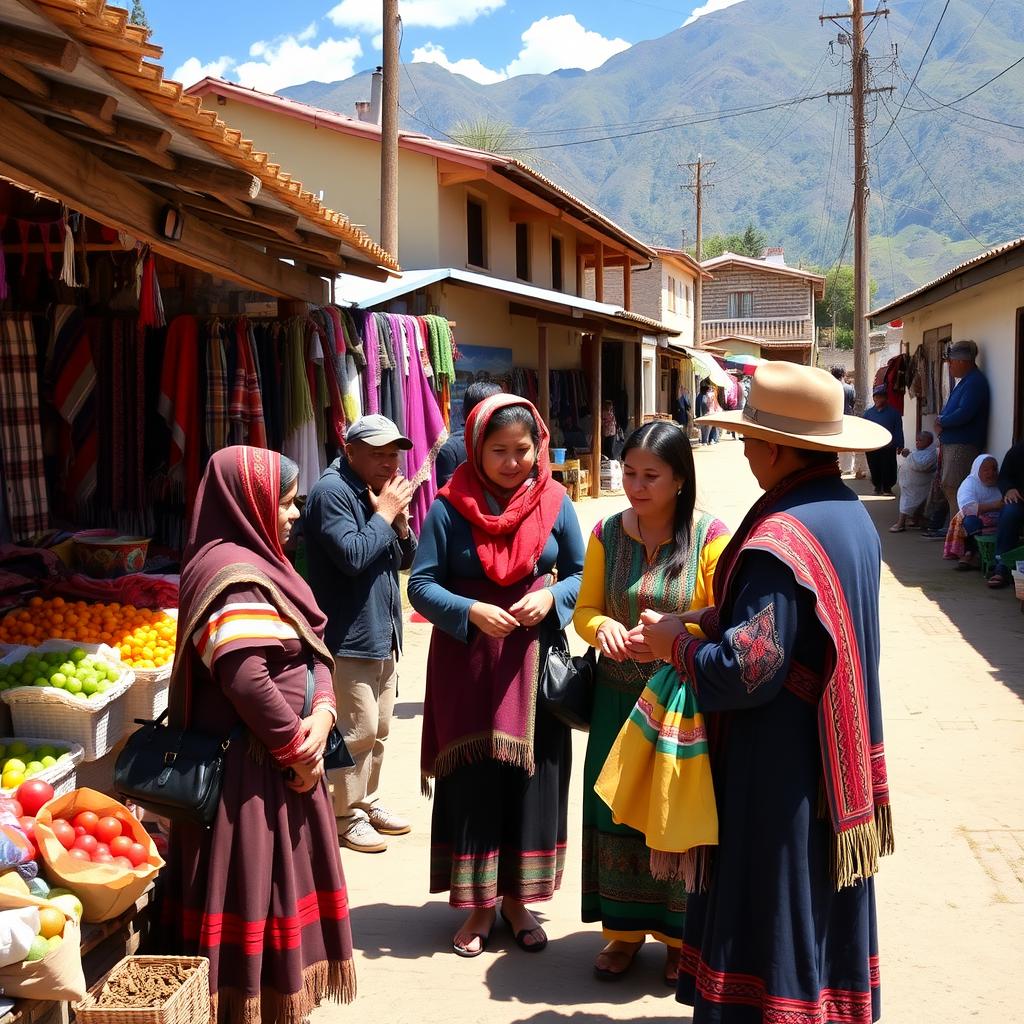
Dos of Cultural Etiquette When Volunteering Abroad
Here’s a list of key practices to follow when volunteering internationally: - Do Research Local Customs: Before you go, study the culture of your destination. For example, in Japan, bowing is a common greeting, while in India, a namaste gesture shows respect. Resources like The Peace Corps’ Cultural Training Guide can help you prepare. - Do Dress Appropriately: Match your clothing to local standards. In many Middle Eastern countries, modest attire like long sleeves and pants is expected, even in hot weather. - Do Learn Basic Phrases: Speaking a few words in the local language shows effort. When I learned simple Swahili phrases in Kenya, locals were thrilled, and it opened doors to deeper conversations. - Do Ask for Permission: Whether it’s taking photos or entering someone’s home, always ask first. This small act shows respect for personal boundaries. - Do Be Patient and Flexible: Schedules and plans may differ from what you’re used to. Embrace the slower pace and adapt to local rhythms.
These actions don’t just prevent missteps—they build bridges. For instance, when I joined a community dance in Peru, it wasn’t just fun; it showed locals I valued their traditions. This aligns with findings from The University of Cambridge’s Global Health Program, which notes that cultural participation strengthens volunteer-community relationships.
Don’ts of Cultural Etiquette When Volunteering Abroad
Avoid these common mistakes to ensure your volunteering experience is respectful: - Don’t Assume Universal Norms: What’s polite in your culture might not be elsewhere. For example, direct eye contact is respectful in the U.S. but can be seen as aggressive in some Asian cultures. - Don’t Impose Your Beliefs: Avoid pushing your values on others. I once saw a volunteer insist on Western teaching methods in a traditional school, which caused friction. - Don’t Take Photos Without Consent: In many cultures, photography is sensitive. Always ask before snapping pictures, especially of children or religious sites. - Don’t Ignore Local Advice: Locals know their culture best. If they suggest a certain behavior, like removing shoes before entering a home, follow it. - Don’t Expect Immediate Results: Volunteering is about long-term impact, not quick fixes. Be patient and focus on sustainable contributions.

Practical Tips for Beginners
If you’re new to Volunteering Abroad: A Guide for Beginners, preparation is everything. Start by choosing a reputable organization. Websites like VolunteerMatch offer vetted programs that align with your skills and interests. Next, set realistic expectations. You might not change the world in two weeks, but small actions—like teaching a child to read or planting trees—add up.
Language can be a barrier, but it’s also an opportunity. Volunteer abroad and learn a language by practicing with locals. Apps like Duolingo can help you start, but nothing beats real conversations. In Peru, I practiced Spanish daily with my host family, which not only improved my skills but also deepened our bond.
Another tip: embrace discomfort. Volunteering abroad often means stepping outside your comfort zone. Whether it’s eating unfamiliar food or living without Wi-Fi, these challenges teach resilience. I remember feeling overwhelmed by the lack of hot water in Kenya, but adapting made me appreciate the simplicity of local life.
Cultural Sensitivity in Action
Let’s break down cultural etiquette with a practical example. Imagine you’re volunteering at a health clinic in rural Indonesia. Here’s how to apply the dos and don’ts:
| Scenario | Do | Don’t |
|---|---|---|
| Greeting staff | Use a polite nod or “salaam” gesture | Avoid handshakes unless initiated |
| Interacting with patients | Ask permission before physical exams | Don’t rush or show frustration |
| Community events | Participate in local traditions | Don’t wear casual or revealing clothing |
This table shows how small actions align with cultural norms, ensuring you’re seen as respectful and approachable.
Personal Reflections
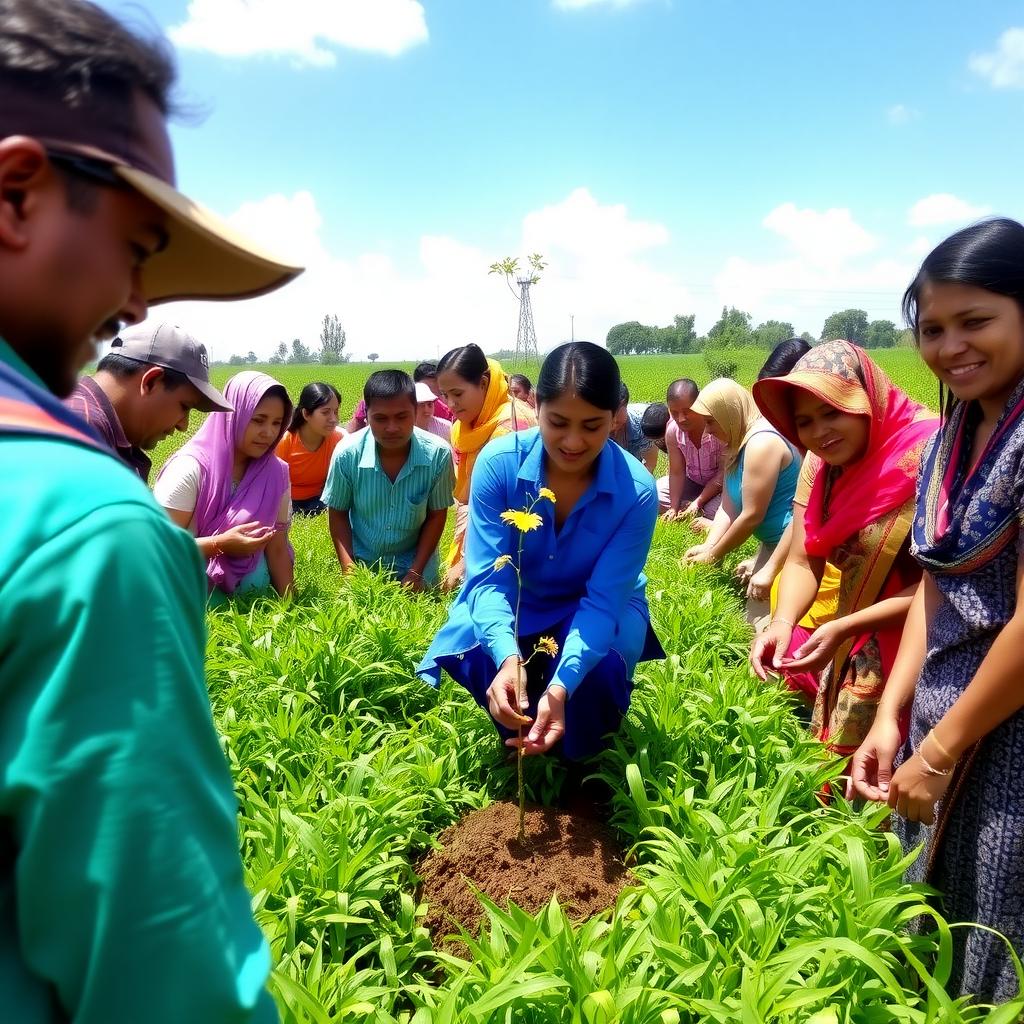
Volunteering abroad taught me as much about myself as it did about the world. In Peru, I learned the value of patience when projects moved slower than expected. In Kenya, I saw how a smile and a few Swahili words could break down barriers. These experiences shaped my worldview and made me a better global citizen.
The key is humility. You’re there to learn, not to fix everything. Listen to locals, follow their lead, and be open to new ways of thinking. As The World Health Organization emphasizes, culturally sensitive volunteering improves community health outcomes by fostering trust and collaboration.
Final Thoughts
Volunteering abroad is a chance to make a difference while growing personally. By following cultural etiquette, you’ll build meaningful connections and leave a positive mark. Research local customs, stay open-minded, and embrace the journey. With these Cultural Etiquette: Dos and Don’ts When Volunteering Abroad, you’re ready to make your volunteer experience unforgettable.