Cultural Sensitivity: A Guide for Volunteers
Discover essential tips on cultural sensitivity for volunteers in international programs. Learn how to respect local customs, avoid common mistakes, and make a positive impact through thoughtful volunteerism.
3 min read
Quick Overview
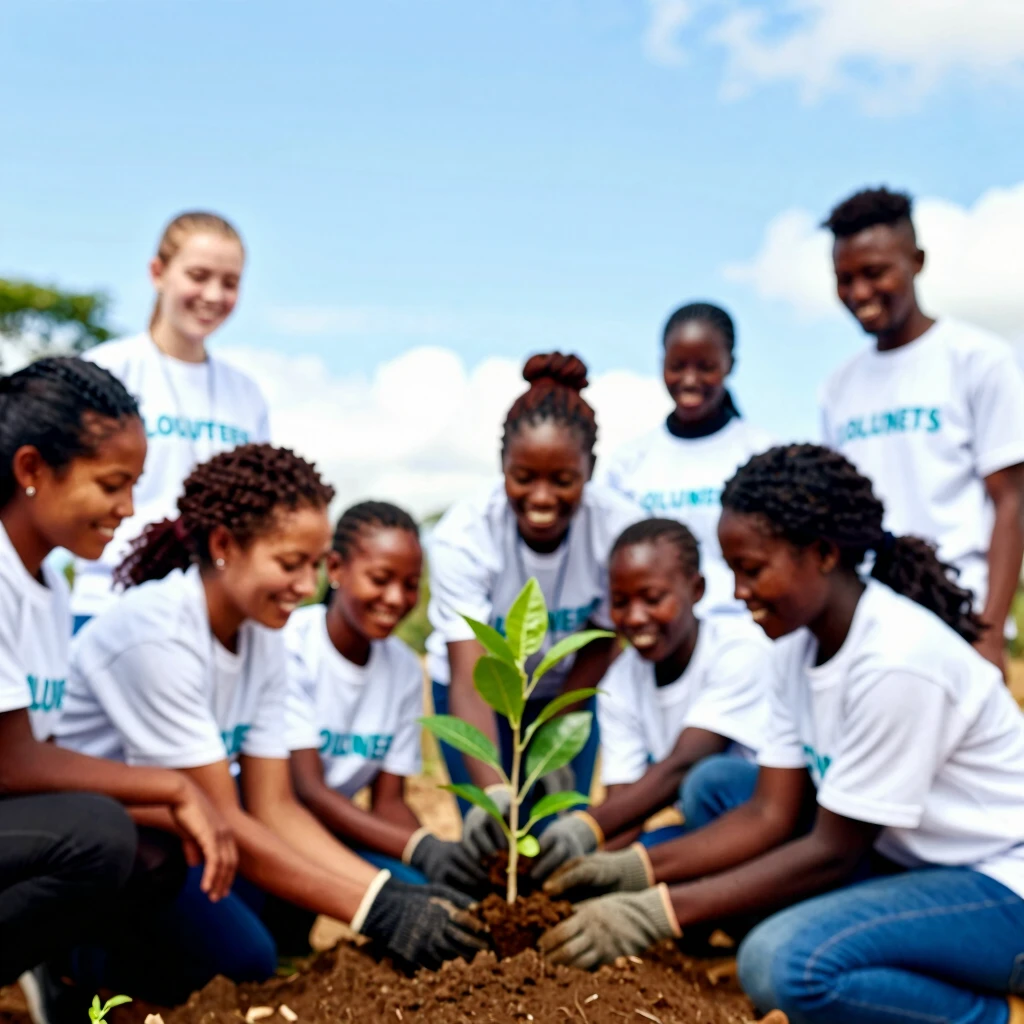
Cultural sensitivity helps volunteers connect deeply with communities they serve. This guide explores why it matters in volunteerism, especially in international volunteer programs for college students, and offers practical steps to practice it every day. With respect and awareness, your volunteer experience becomes more meaningful for everyone involved.
Volunteering abroad opens your eyes to new worlds. You step into communities with different traditions, values, and ways of life. But without cultural sensitivity, even good intentions can lead to misunderstandings or harm.
Cultural sensitivity means recognizing and respecting those differences. It goes beyond politeness—it's about approaching others with humility and curiosity.

Many college students join international volunteer programs for college students to gain real-world experience. These programs build skills like leadership and empathy. But success depends on how well you adapt to the host culture.
From my own time volunteering in Southeast Asia, I learned that listening first often teaches more than speaking. Small gestures, like learning basic greetings, built trust faster than any big project.
Why Cultural Sensitivity Matters in Volunteerism
When volunteers ignore local norms, projects can fail or cause unintended offense. Communities may feel disrespected if outsiders assume their way is better.
Studies show that culturally aware volunteers create stronger partnerships. For example, the Peace Corps stresses cross-cultural training to help volunteers integrate successfully and achieve their goals.
According to Peace Corps resources on cross-cultural training, understanding culture reduces shock and boosts effectiveness. Volunteers who prepare this way report richer experiences and better outcomes.
In ethical volunteerism, sensitivity prevents 'voluntourism' pitfalls where short-term help overshadows long-term needs.
Practical Tips for Building Cultural Sensitivity
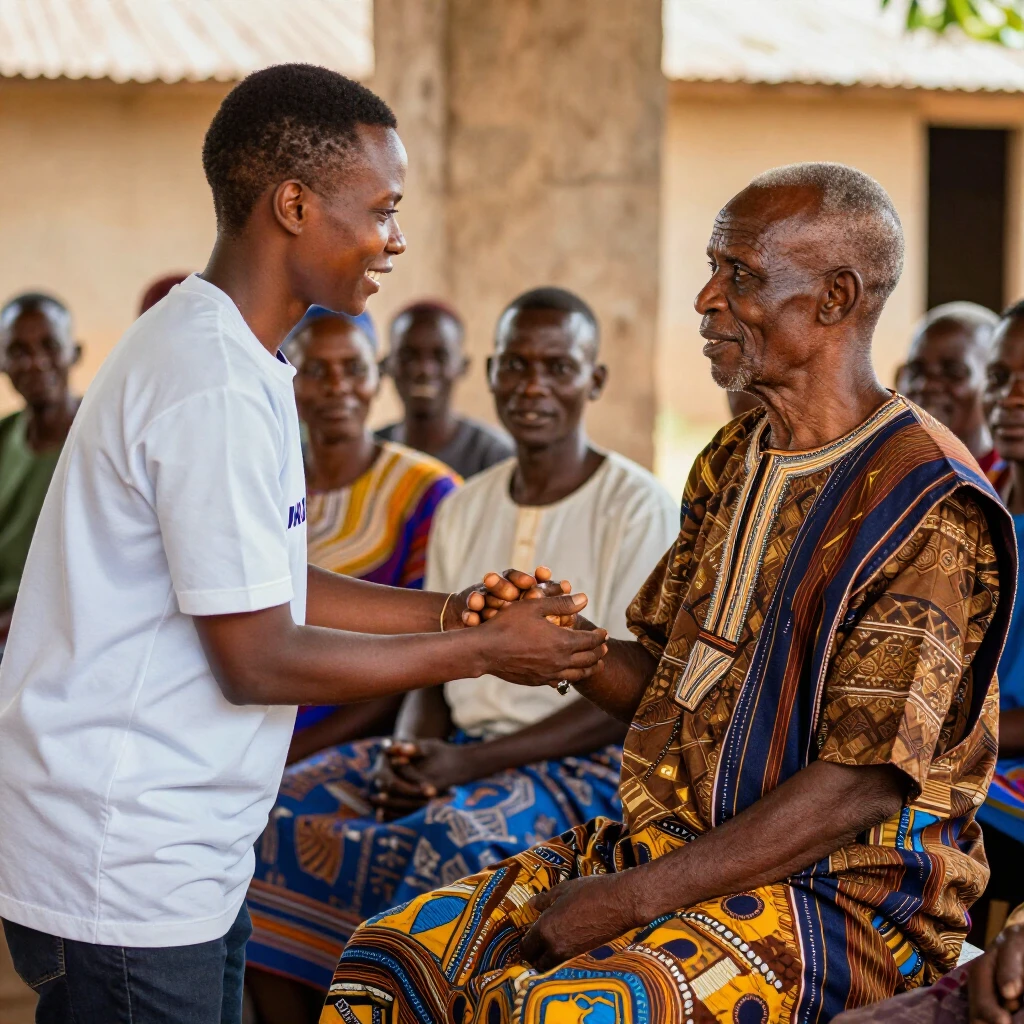
Start before you go. Research the country's customs, history, and current issues. Read books or watch documentaries to get a sense of daily life.
Once there: - Observe and listen — Watch how locals interact before jumping in. - Learn key phrases — Even basic words show effort and respect. - Dress appropriately — Follow local norms for clothing to avoid standing out negatively. - Ask questions thoughtfully — Seek to understand rather than judge.
Avoid sensitive topics like politics or religion unless locals bring them up. In many places, direct criticism can harm relationships.
Body language counts too. Eye contact, personal space, and gestures vary widely. What feels normal to you might seem rude elsewhere.
Common Mistakes and How to Avoid Them
One frequent error is imposing your solutions without community input. Always ask what the community needs instead of assuming.
Another pitfall: photographing people without permission. In some cultures, this invades privacy. Always ask first.
When mistakes happen—and they will—apologize sincerely and learn from it. Humility turns slip-ups into growth moments.
Cultural Sensitivity in Specific Settings
In education projects, respect teaching styles. Some cultures value rote learning over creative methods.
For health or environmental work, honor traditional knowledge. Communities often have effective practices worth learning.
In international volunteer programs for college students, group dynamics matter. Diverse teams benefit from open discussions about cultural differences.
Use this quick checklist: - Did I research local customs? - Am I dressing and behaving respectfully? - Do I listen more than I speak? - Am I open to feedback? - Do I prioritize community-led solutions?
Practicing cultural sensitivity makes volunteerism sustainable. It builds trust, leading to lasting change. Communities remember respectful visitors fondly, which encourages future partnerships.
In summary, cultural sensitivity transforms volunteering from a one-way service into mutual exchange. Approach every interaction with respect, curiosity, and openness. Your efforts will create positive ripples long after you leave.
Embrace the journey—volunteerism at its best changes both the giver and the receiver.