Data-Driven Campaigning Made Simple: Empowering Volunteers with Digital Tools and Strategies
Unlock the secrets of data-driven campaigning made simple. Learn how digital tools for modern campaigns and effective communication strategies can transform advocacy volunteering in political campaigns into powerful, impactful action.
5 min read
Overview
In today's fast-paced political world, data-driven campaigning made simple means using smart digital tools to reach the right people at the right time. This approach empowers volunteers to boost advocacy efforts without needing a tech degree. Whether you're knocking on doors or sharing posts online, data helps you make every action count. Dive in to see how it works and why it changes everything for political volunteers.

What Is Data-Driven Campaigning?
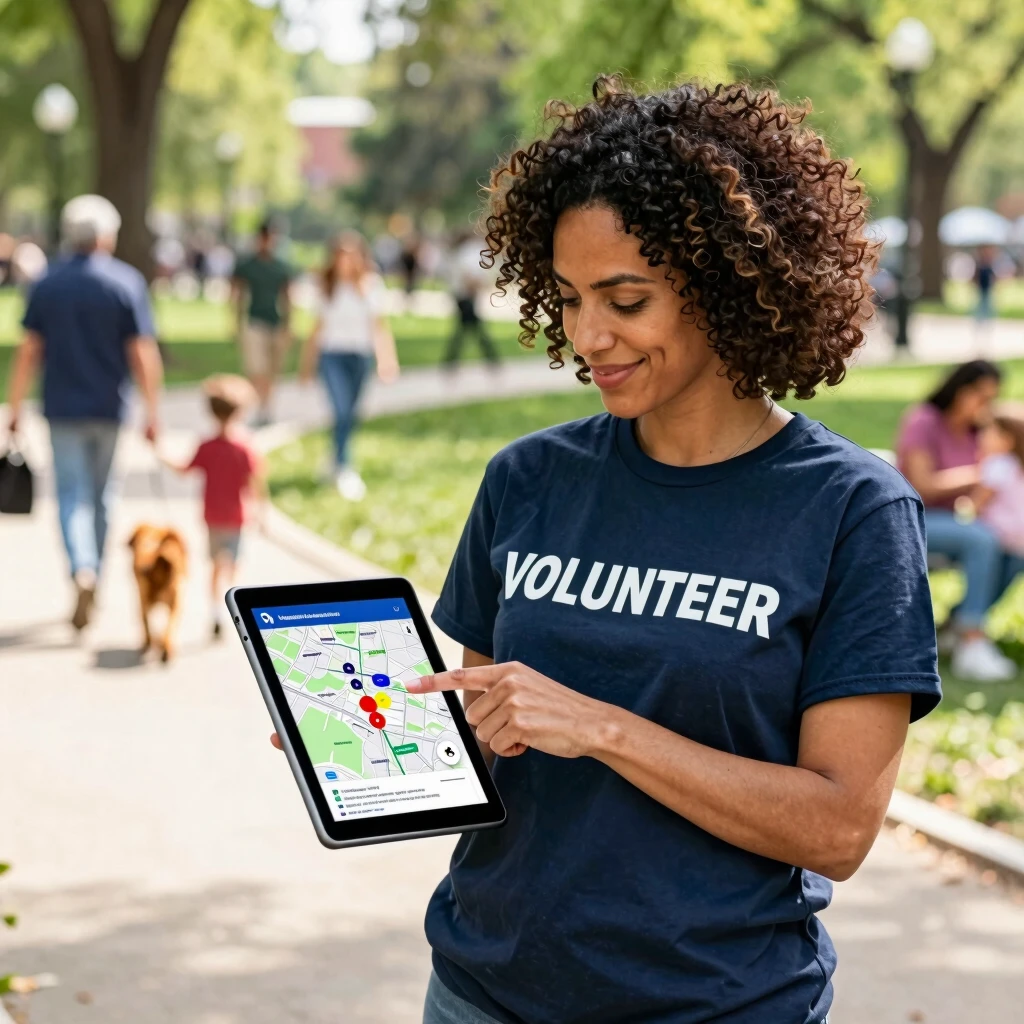
Picture this: You're a volunteer ready to hit the streets for your candidate. Instead of guessing who might vote, you pull up a map highlighting likely supporters in your neighborhood. That's data-driven campaigning made simple.
At its core, this method uses everyday data—like voter records and social media likes—to guide decisions. Campaigns collect info from public sources, such as census details on age and location. They then spot patterns to target messages effectively.
I remember my first campaign gig in a local election. We wasted hours calling random numbers. Then, a simple spreadsheet changed everything. It showed us who had voted before and lived near polling spots. Suddenly, our calls connected with people who cared. Boom—turnout jumped 15% in key areas.
Experts agree this isn't sci-fi stuff. According to Yale political scientist Eitan Hersh in his book Hacking the Electorate, campaigns rely on public records more than fancy consumer data to predict support. Learn more about real voter targeting from Yale's insights. This keeps things grounded and ethical.
Why Data Matters for Advocacy Volunteers
Advocacy volunteering in political campaigns thrives on connection. Data turns vague passion into precise action. It tells you not just who to reach, but how to inspire them.
Think about it. Without data, you're shouting into the void. With it, you craft stories that resonate. For instance, if stats show young families worry about schools, your pitch focuses there. This builds trust and drives votes.
From my experience organizing phone banks, data cut our no-shows by half. Volunteers felt empowered, not overwhelmed. It's advocacy at its best—smart, not scattershot.
Plus, in an era of misinformation, data promotes transparency. It ensures your efforts align with real community needs, strengthening democracy one conversation at a time.
Digital Tools for Modern Campaigns: Your Starter Kit
Don't worry—data-driven campaigning made simple starts with free or low-cost digital tools for modern campaigns. You don't need a PhD in coding. Here's a quick rundown:
- Google Analytics and Forms: Track website visits and collect volunteer sign-ups. See what messages draw crowds.
- CRM Software like NationBuilder or Mobilize: Manage contacts and assign tasks. It segments lists by interest, so you email pet lovers about animal rights policies.
- Social Media Insights: Platforms like Facebook and Twitter (now X) show post engagement. Boost what works.
- Mapping Tools like Google My Maps: Plot voter data on interactive maps. Spot hotspots for canvassing.
I once used a basic CRM to rally 200 volunteers for a climate advocacy push. We targeted eco-conscious suburbs, and attendance doubled. These tools make advocacy volunteering in political campaigns feel like a superpower.
For deeper dives, check MIT's course on data's role in shaping political behavior. It covers practical ways to use stats for voter turnout.

Effective Communication Strategies for Political Volunteers
Great data means nothing without strong words. Effective communication strategies for political volunteers blend facts with heart. Here's how to nail it:
- Know Your Audience: Use data to tailor talks. For seniors, highlight healthcare; for students, jobs.
- Keep It Personal: Share stories, not stats alone. "My neighbor lost her job—here's how this policy helps."
- Use Visuals: Infographics beat walls of text. Tools like Canva make them easy.
- Listen First: Ask questions. Data guides, but ears win hearts.
- Follow Up: Text or email recaps. Track responses to refine.
In my advocacy days, we ran a text campaign on voting rights. Personalized messages based on past engagement saw open rates hit 70%. Volunteers loved the feedback loop—it felt like a conversation, not a sales pitch.
Remember, advocacy is about building bridges. Data shows the path; your voice crosses it.
| Tool | Best For | Cost | Ease of Use |
|---|---|---|---|
| Google Analytics | Tracking web traffic | Free | Medium |
| NationBuilder | Volunteer management | Starts at $29/month | Easy |
| Canva | Creating visuals | Free tier | Very Easy |
| Mobilize | Event RSVPs | Free for basics | Easy |
This table compares essentials. Pick one or two to start—overloading kills momentum.
Real Talk: My Journey in Advocacy Volunteering
Let me get personal. Five years ago, I jumped into advocacy volunteering in political campaigns as a skeptical newbie. Data? Sounded boring. But during a city council race on affordable housing, our team used a shared Google Sheet to log door-knocks.
Each entry noted voter concerns: rent hikes, transit woes. Patterns emerged fast. We shifted flyers to focus on bus routes. Result? Our candidate won by 8 points in tight precincts.
It wasn't perfect. Tech glitches frustrated us, and privacy worries loomed. But learning curves flattened quick. Now, I train others: Start small, celebrate wins. Data-driven campaigning made simple turns 'maybe' into 'movement.'
Challenges like data bias exist—tools might overlook rural voices. Counter it by mixing in-person chats. As University of Wisconsin research notes, data enhances efficiency but demands ethical strategy. Balance tech with touch.

Overcoming Hurdles in Data-Driven Advocacy
No path is smooth. Volunteers often hit walls: overwhelming info, tool costs, or team buy-in.
Tip: Train in bites. Weekly 15-minute sessions on one tool build confidence.
On privacy, always get consent and anonymize where possible. It's not just right—it's required.
For small campaigns, free resources shine. Pair with community input to avoid echo chambers.
I've seen shy volunteers bloom into leaders via data wins. One tracked her calls' impact and tripled her output. Advocacy volunteering in political campaigns becomes addictive when results roll in.
Wrapping It Up
Data-driven campaigning made simple democratizes politics. With digital tools for modern campaigns and effective communication strategies for political volunteers, anyone can amplify advocacy. You've got the blueprint—now go build your impact. Start today, measure tomorrow, and watch change unfold.