Digital Advocacy Strategies for Nonprofits
Unlock powerful digital advocacy strategies for nonprofits to engage supporters, influence policy, and create lasting change. Learn essential tips, measurement steps, and tracking methods for real impact.
5 min read
Overview
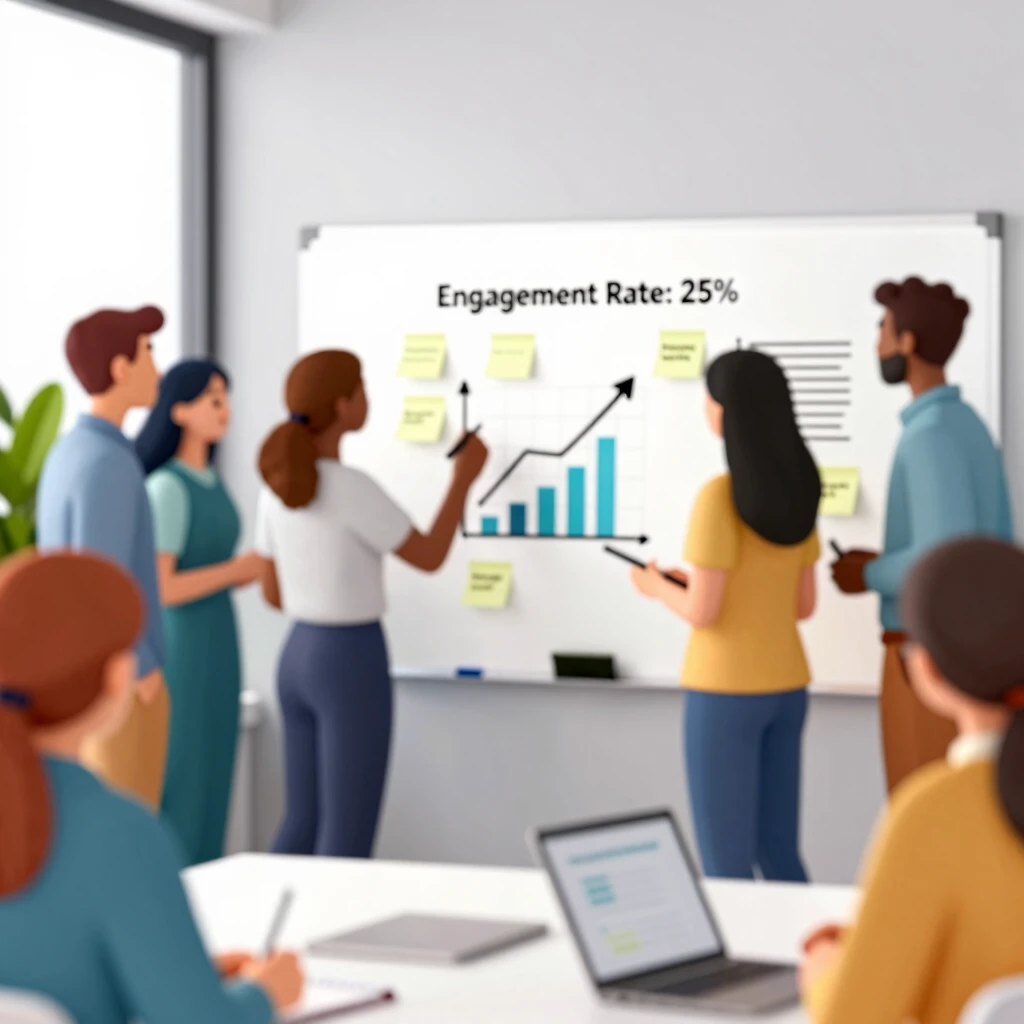
In today's fast-paced world, nonprofits need smart ways to make their voices heard. Digital advocacy strategies for nonprofits offer tools to connect with supporters, push for policy changes, and track real results. This guide shares practical steps to build your campaign, from key tactics to measuring success. Whether you're new or experienced, these ideas will help you drive meaningful change.

Nonprofits face big challenges, like limited budgets and tight timelines. But digital tools level the playing field. They let you reach thousands with a single post or email. I've seen this firsthand at a small environmental group. We shifted from flyers to online petitions and saw our supporter list triple in months.
Why go digital? It saves time and money. You can target the right people with ads or emails. Plus, it builds a community that stays engaged year-round. According to the National Council of Nonprofits, advocacy helps prevent resource cuts and shapes better policies.
Building Your Digital Advocacy Foundation
Start with clear goals. What change do you want? More funding? A new law? Write it down. Then, know your audience. Are they young activists on Instagram or busy parents on Facebook?
Next, pick your channels. Email works for deep dives. Social media sparks quick shares. Text messages get fast responses. Mix them for the best reach. Tools like Mailchimp or Hootsuite make this easy and affordable.
Don't forget mobile. Most people scroll on phones. Make sure your site and forms load fast. In one campaign I led, we optimized for mobile and doubled our sign-ups overnight.
5 Key Digital Advocacy Strategies
Here are proven tactics to get started:
-
Create Compelling Content: Share stories, not stats. A video of a family helped by your work beats a dry report. Use free tools like Canva for visuals.
-
Launch Online Petitions: Platforms like Change.org let supporters add their names easily. Promote it across channels. We once hit 10,000 signatures in a week for clean water access.
-
Leverage Social Media: Post action alerts. Encourage tags for lawmakers. Hashtags build buzz. Track what works with built-in analytics.
-
Host Virtual Events: Webinars or live Q&As draw crowds without travel costs. Invite experts to boost credibility.
-
Personalize Outreach: Segment your list. Send tailored messages. A donor gets funding asks; a volunteer gets event invites. This boosts engagement by 30%, per industry benchmarks.

These strategies aren't one-size-fits-all. Adapt them to your cause. For animal welfare, cute pet videos shine. For education reform, infographics explain complex issues simply.
Essential Advocacy Tips for Nonprofit Leaders
As a leader, you set the tone. First, build partnerships. Team up with other groups for bigger reach. I've collaborated on joint campaigns that amplified our message tenfold.
Second, train your team. Not everyone is a digital whiz. Offer quick workshops on tools like Twitter threads or email best practices. Make it fun with role-playing scenarios.
Third, stay authentic. Share wins and struggles. People connect with real stories. Avoid salesy pitches; focus on shared values.
Fourth, listen actively. Use polls and feedback forms. Adjust based on what supporters say. This keeps your efforts relevant.
Finally, lead by example. Post regularly and engage personally. Your energy inspires others. Remember, advocacy is a marathon. Celebrate small steps to keep morale high.
| Tip | Why It Works | Quick Action |
|---|---|---|
| Build Partnerships | Expands reach | Reach out to 3 allies this week |
| Train Team | Builds skills | Schedule a 30-min session |
| Stay Authentic | Builds trust | Share a personal story next post |
| Listen Actively | Stays relevant | Run a quick poll |
| Lead by Example | Inspires action | Engage on social daily |
These advocacy tips for nonprofit leaders come from years in the trenches. They turn good intentions into real momentum.
How to Measure Nonprofit Impact: Simple Steps for Big Results
Measurement sounds scary, but it's straightforward. Start by defining success. What numbers show change? Lives improved? Policies shifted?
Step 1: Set SMART goals. Specific, Measurable, Achievable, Relevant, Time-bound. Like 'Gain 5,000 petition signatures in 3 months.'
Step 2: Pick key metrics. Track website traffic, email opens, social shares. Use free tools like Google Analytics.
Step 3: Collect data regularly. Set weekly check-ins. Surveys gauge qualitative impact, like 'Did this change your view?'
Step 4: Analyze and adjust. Look for patterns. If emails flop, tweak subjects. Celebrate hits to motivate your team.
Step 5: Report transparently. Share results with supporters. This builds trust and encourages more involvement.

In my experience, simple tracking uncovers gems. One campaign's low clicks led us to better visuals, boosting conversions by 40%.
For deeper dives, check resources from the Bridgespan Group on impact frameworks. They offer templates to get you started.
Tracking Success in Nonprofit Advocacy
Success isn't just final wins. It's the journey. Monitor incremental progress, like growing your email list or media mentions.
Use dashboards for at-a-glance views. Tools like Tableau Public are free and powerful.
Qualitative wins matter too. Did a lawmaker reference your work? Note it. These stories fuel future grants.
Common pitfalls: Ignoring baselines. Always measure from where you start. And don't chase vanity metrics like likes—focus on actions like calls to reps.
- Short-term: Track clicks and shares.
- Medium-term: Measure conversions, like petition completions.
- Long-term: Assess policy changes or funding secured.
The Alliance for Justice has great guides on advocacy evaluation. They stress flexible benchmarks for advocacy's unpredictable nature.
From my work, tracking taught us to pivot fast. A stalled petition? We switched to video appeals and revived it.
Personal Insights: Lessons from the Front Lines
I've run digital campaigns for health access nonprofits. One standout: A Twitter storm against budget cuts. We mobilized 2,000 tweets in 48 hours, influencing a key vote.
The secret? Timing. Launch when news breaks. Authenticity hooked influencers who amplified us.
Challenges hit hard too. Algorithm changes tanked reach once. We adapted by emailing summaries, keeping momentum.
Key takeaway: People power digital tools. Train supporters to share. Your network becomes your megaphone.
Invest in learning. Free webinars from Nonprofit Tech for Good cover trends. Stay curious.
Wrapping Up
Digital advocacy strategies for nonprofits empower you to fight smarter, not harder. From building strategies to tracking success, these steps create lasting impact. Start small, measure often, and watch your mission soar. Ready to act? Pick one tip and implement it today.