Easy Ways to Assess Service Learning Projects: A Practical Guide for Educators
Discover easy ways to assess service learning projects with simple, effective strategies. Learn best practices for implementing service learning in your classroom and measuring real student growth from meaningful volunteer experiences.
4 min read
Service learning combines classroom lessons with community action, creating powerful service learning experiences in education. Teachers often struggle with assessment, but there are easy ways to assess service learning projects that capture both academic growth and personal development. This guide shares practical methods you can use right away.
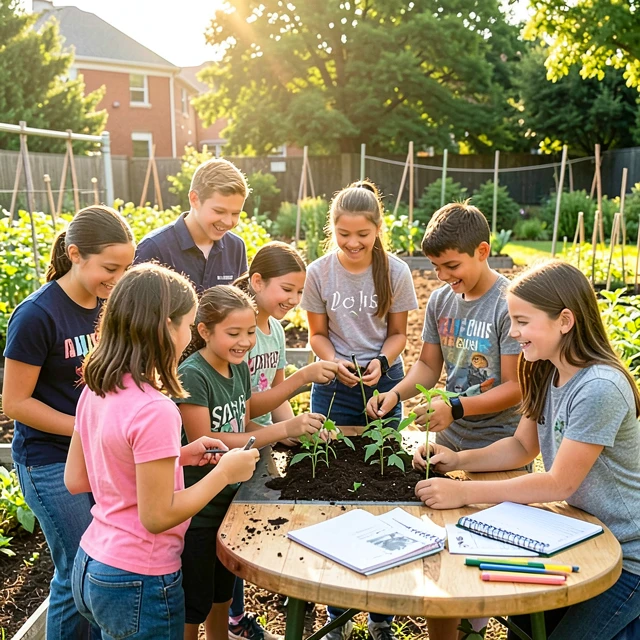
Service learning goes beyond simple volunteer work. It connects curriculum to real-world needs, helping students develop empathy, problem-solving skills, and civic responsibility. When you implement service learning in your classroom using best practices, assessment becomes a natural part of the journey rather than an added burden.
Why Assessment Matters in Service Learning
Assessing service learning projects helps you understand what students learned and how the experience changed them. Good assessment tracks academic skills, social growth, and community impact. The best approaches are straightforward and integrated throughout the project.
I remember working with a class that organized a food drive for a local shelter. Traditional tests wouldn't capture their growth in teamwork or research skills. Using easy assessment methods showed impressive results in both knowledge and character development.
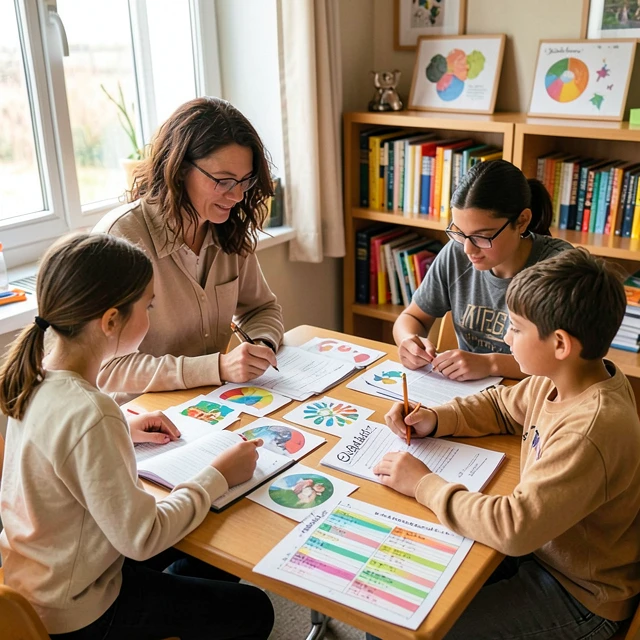
Easy Ways to Assess Service Learning Projects
Here are practical methods that work well across grade levels:
1. Rubrics That Cover Multiple Dimensions
Create a simple rubric with categories like academic learning, collaboration, reflection, and community impact. Share it with students at the start so everyone knows the goals. Rate each area from 1 to 4 with clear descriptions.
For example: - Academic Learning: Did the student apply classroom concepts? - Reflection: How deeply did they think about their experiences?
This tool makes grading fair and transparent.
2. Student Reflection Journals
Reflection is at the heart of service learning. Ask students to write regularly in journals using prompts like:
- What surprised you during the volunteer activity?
- How did this connect to what we studied in class?
- What would you do differently next time?
Review entries for depth of thinking rather than perfect grammar. This reveals genuine learning from service learning experiences in education.
3. Peer and Self-Assessment
Students learn a lot by evaluating their own work and their classmates'. Use simple checklists or rating scales. This builds metacognition and gives you additional data points.
One effective approach is a 'before and after' self-assessment where students rate their skills at the project start and finish.
4. Portfolio Collections
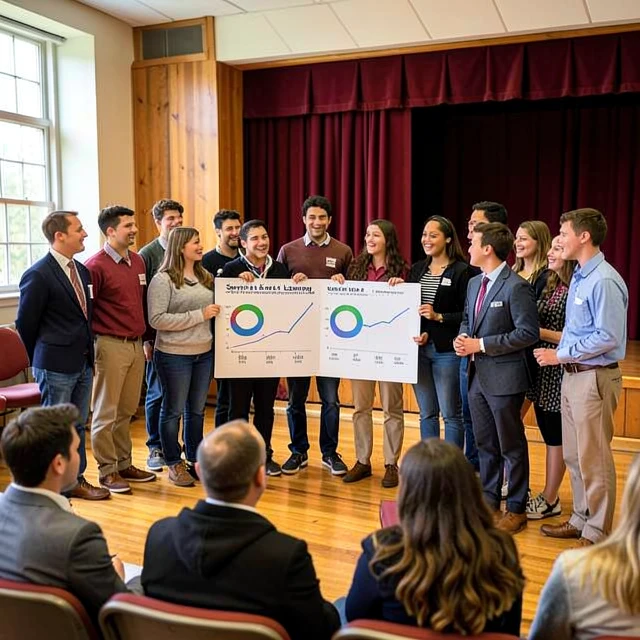
Have students compile photos, work samples, thank-you notes, and reflections into a portfolio. This creates a rich picture of the entire service learning journey. Digital tools make this especially easy to organize and share.
5. Observation Checklists
During volunteer activities, use a simple checklist to note behaviors like leadership, problem-solving, and teamwork. Focus on specific, observable actions rather than subjective judgments.
Implementing Service Learning in Your Classroom: Best Practices
Start small. Choose projects that align closely with your curriculum. Partner with local organizations that need genuine help, not just busywork for students.
Clear communication with community partners ensures meaningful volunteer experiences. Set expectations early and maintain regular check-ins.
Prepare students thoroughly before they begin service. Discuss potential challenges and how to handle them. Teach skills like active listening and cultural sensitivity.
Build in time for reflection throughout the project, not just at the end. This ongoing reflection strengthens learning and helps with assessment.
Measuring Community Impact
True service learning creates real benefits for the community. Track impact with simple metrics:
- Number of people helped
- Items collected or distributed
- Feedback from community partners
- Before-and-after comparisons when possible
Share these results with students to show the difference they made.
Common Challenges and Solutions
Challenge: Time constraints Solution: Integrate assessment into regular classroom activities rather than adding extra work.
Challenge: Subjective grading Solution: Use clear rubrics and multiple assessment methods for a balanced view.
Challenge: Varying student participation Solution: Include individual reflection components alongside group work.
From my experience, the most successful projects give students voice in choosing their service activities. This increases ownership and leads to more authentic learning.
Technology Tools for Assessment
Digital tools can simplify the process:
- Google Forms for quick surveys and reflections
- Padlet or Jamboard for collaborative sharing
- Portfolio platforms like Seesaw or Google Sites
- Video recording apps for student presentations
These tools make documentation easier and more engaging for students.
Bringing It All Together: A Sample Assessment Plan
For a semester-long project:
- Week 1: Baseline self-assessment and goal setting
- Ongoing: Weekly journal entries and observation notes
- Midpoint: Peer feedback session
- End: Portfolio presentation and final reflection
- Community partner survey
This approach provides a complete picture of student growth.
Remember that assessment should support learning, not just measure it. Celebrate growth and help students see their progress.
Final Thoughts
Easy ways to assess service learning projects focus on reflection, multiple data sources, and clear criteria. These methods help you implement service learning in your classroom using best practices while capturing the rich learning that happens through volunteer work.
When done well, assessment strengthens the entire experience for students, teachers, and communities.