Effective Advocacy Strategies for Nonprofits
Learn practical, proven advocacy strategies to help your nonprofit influence policy, build coalitions, engage volunteers, and advance your mission while staying legally compliant.
3 min read
Nonprofits do more than deliver services—they shape the policies that make those services possible. This guide shares clear, actionable strategies to help your organization advocate confidently, build stronger coalitions, and involve volunteers effectively.

Why Nonprofits Must Advocate
You already see the problems your community faces every day. Advocacy lets you fix the root causes, not just the symptoms. When nonprofits speak up, policymakers listen because you bring real stories and expertise to the table.
Many leaders hesitate because they worry about rules or time. The truth? Advocacy is allowed, encouraged, and often essential for lasting change. Groups like the National Council of Nonprofits show that everyday advocacy advances missions and strengthens entire communities.
Know the Rules—so You Can Use Them
Most nonprofits are 501(c)(3) organizations. You can lobby, but within limits. The simplest way to stay safe is to file the 501(h) election—a one-page IRS form that gives clear spending limits based on your budget.
You can also: - Educate elected officials - Mobilize supporters to contact lawmakers - Share community stories - Join coalitions
These activities count as advocacy, not lobbying, in most cases. When in doubt, check free resources from trusted organizations.
Build Real Relationships with Decision-Makers
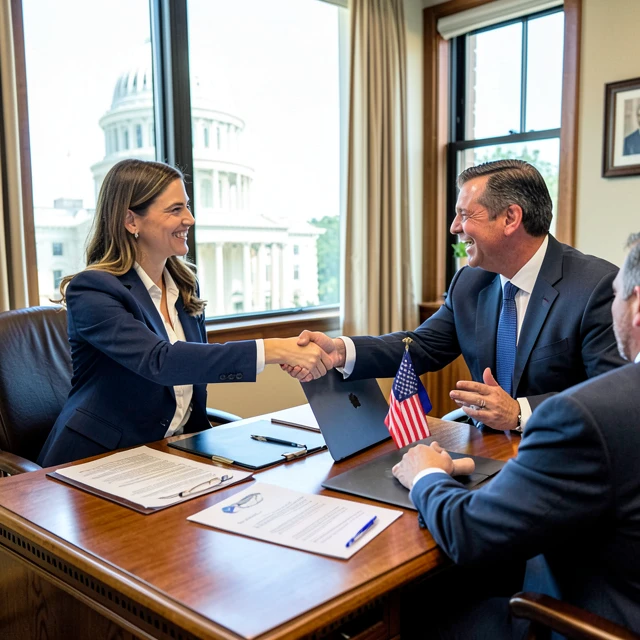
Policymakers want to hear from you. They need your on-the-ground knowledge. Start by inviting your local representatives to visit your programs. Show them the impact firsthand.
Follow up with thank-you notes and updates. Send short emails about upcoming votes that affect your work. Invite them to small roundtable discussions with other community leaders.
Relationships built on trust open doors when you need support for a bill or budget item.
Building Bridges: Coalition-Building in Advocacy
You amplify your voice when you join forces with others. Coalitions bring together organizations that share a goal, even if their day-to-day work differs.
Successful coalitions start small and focused: 1. Choose one clear issue everyone agrees on 2. Invite groups that serve the same community or bring different strengths 3. Meet regularly and share decision-making 4. Agree on shared messaging 5. Celebrate small wins together
Coalitions give you access to larger networks, shared resources, and a united front when meeting officials. In my experience, a well-run coalition can turn a local concern into statewide policy change.
Create Strong Advocacy Programs for Volunteers
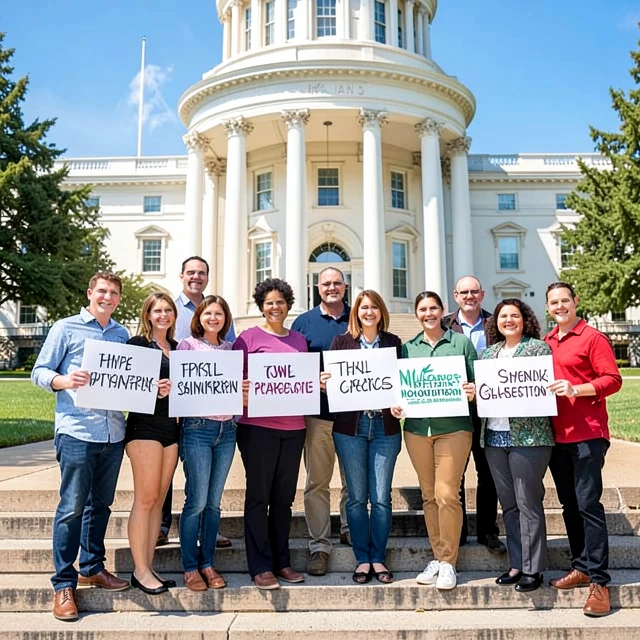
Volunteers bring passion and personal stories that move decision-makers. Give them meaningful ways to help.
Effective volunteer advocacy programs include: - Short training sessions on the issue and how to tell their story - Simple action alerts (email templates, phone scripts) - Group letter-writing or postcard events - Opportunities to join legislative visits - Social media toolkits for sharing messages
Always thank volunteers and show them the results of their efforts. When people see their actions make a difference, they stay engaged longer.
Everyday Tactics That Work
Here are proven approaches many nonprofits use:
| Strategy | How to Do It | Expected Outcome |
|---|---|---|
| Story Bank | Collect brief personal stories from clients and volunteers | Humanizes the issue for policymakers |
| Action Alerts | Send timely emails when votes are coming | Generates dozens or hundreds of constituent contacts |
| Media Outreach | Pitch local reporters your expertise on community needs | Earns coverage that reaches officials |
| Joint Letters | Partner with other groups to sign one strong letter | Shows broad community support |
| Hill Days | Organize group visits to legislative offices | Builds relationships and delivers messages directly |
Start with one or two that fit your capacity, then grow.
Measure Progress—Even When Change Is Slow
Advocacy success often comes in stages. Track both short-term and long-term signs: - New relationships formed - Number of meetings with officials - Media mentions - Supporter actions taken - Policy language improvements - Bills passed or harmful ones stopped
Review what worked each quarter and adjust. Celebrate progress to keep your team motivated.
Final Thoughts
Effective advocacy is within every nonprofit’s reach. Start small, stay consistent, and partner with others. When you combine clear goals, strong relationships, active volunteers, and smart coalitions, you create real change that lasts.
Your community needs your voice. Use it.