Effective Communication Techniques for Beginners: Build Confidence and Make an Impact
Discover simple, actionable effective communication techniques for beginners. Learn how these skills can help you excel in everyday life and master communication in advocacy volunteering.
3 min read

Overview
Good communication opens doors in personal relationships, work, and volunteering. This guide shares effective communication techniques for beginners to help you start strong, gain confidence, and even shine in advocacy roles. (38 words)
Why Communication Matters for Beginners
Everyone starts somewhere. I remember my first volunteer meeting—I stumbled over words and felt invisible. Once I focused on basic techniques, everything changed. People listened, and I felt heard.
Strong communication builds trust, resolves conflicts, and inspires action. For volunteers in advocacy, it's the key tool to share causes and motivate others.

Core Effective Communication Techniques for Beginners
Start with these fundamentals. Practice them daily, and you'll see quick improvements.
1. Active Listening
Listening is half of communication. Give full attention—put away phones, maintain eye contact, and nod to show understanding.
Avoid interrupting. Instead, paraphrase what you heard: "So, you're saying..." This builds rapport and prevents misunderstandings.
2. Clear and Concise Speaking
Say what you mean without extra words. Beginners often ramble when nervous. Practice short sentences.
Example: Instead of "I kind of think that maybe we should perhaps consider doing something about it," say "We should act on this issue now."
3. Body Language Basics
Your body speaks louder than words. Stand tall, use open gestures, and smile genuinely.
Avoid crossed arms—they signal defensiveness. Mirror the other person's posture subtly to create connection.

4. Empathy and Emotional Awareness
Understand feelings—yours and others'. Use phrases like "I understand this is frustrating" to validate emotions.
This technique reduces tension and fosters deeper connections.
How to Master Communication Skills in Advocacy
Advocacy volunteering demands clear, persuasive communication. You share stories, educate others, and call for change.
Key skills needed for advocacy volunteering include:
- Storytelling: Share personal or real-life examples to make issues relatable.
- Asking Questions: Engage audiences by inviting their thoughts.
- Handling Objections: Respond calmly with facts and empathy.
In my experience volunteering for environmental causes, mastering these turned hesitant talks into inspiring discussions.
| Skill | Why It Matters in Advocacy | Quick Tip for Beginners |
|---|---|---|
| Storytelling | Makes abstract issues personal | Start with "I once saw..." |
| Public Speaking | Reaches larger groups | Practice in front of a mirror |
| Active Listening | Builds alliances | Summarize others' points |
| Non-Verbal Cues | Conveys passion | Use open hand gestures |
| Empathy | Wins hearts | Acknowledge opposing views |
Practical Exercises for Beginners
Theory is great, but practice makes progress. Try these daily:
- Mirror Practice: Speak for 2 minutes on any topic while watching your expressions.
- Role-Play: With a friend, simulate advocacy scenarios—like explaining a cause to a skeptic.
- Journal Reflections: After conversations, note what went well and what to improve.
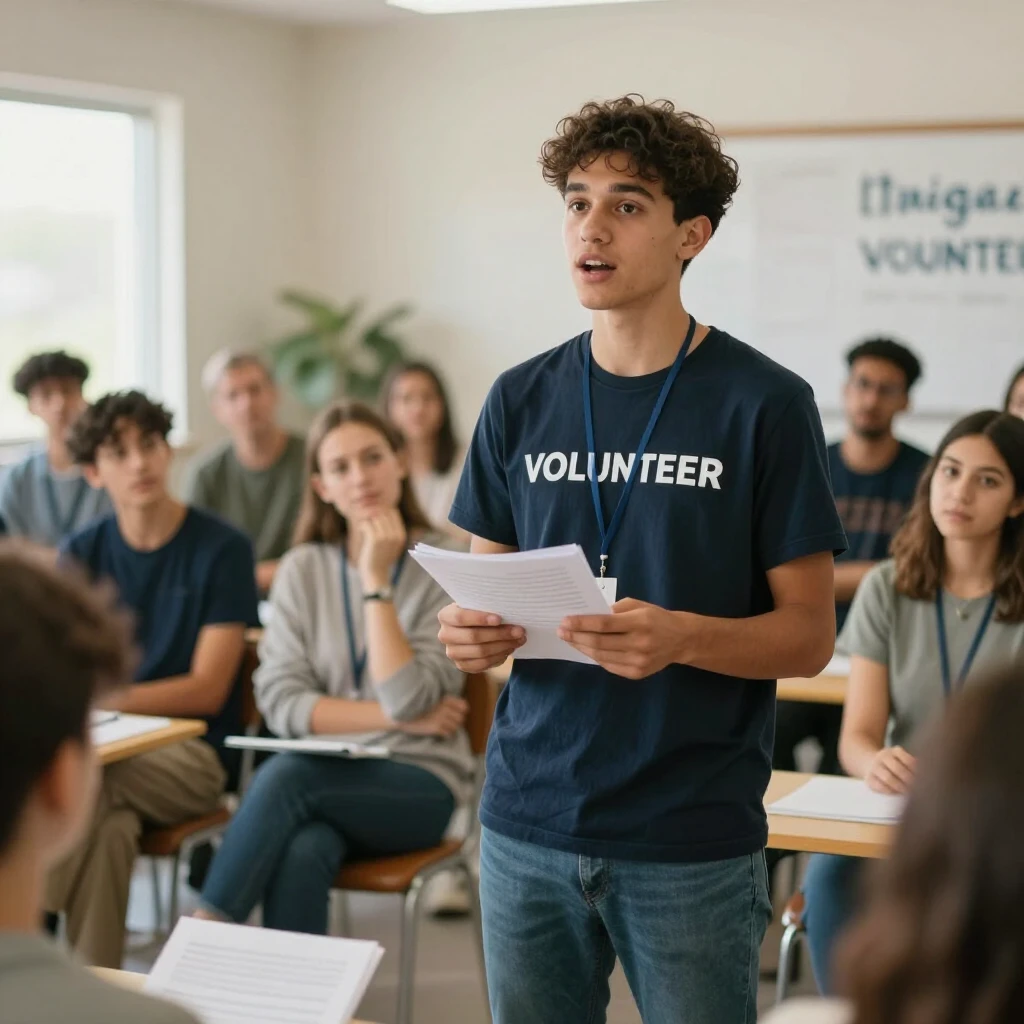
- Volunteer Opportunities: Join local groups. Real-world advocacy sharpens skills fast.
Overcoming Common Beginner Challenges
Nerves? Many feel them. Breathe deeply before speaking.
Fear of judgment? Remember, most people root for you.
Cultural differences? Ask questions and learn—advocacy often bridges diverse groups.
From personal experience, joining a Toastmasters club helped me tremendously. (Source: toastmasters.org)
Applying Skills in Volunteer Advocacy
Volunteers drive change through words. Whether fundraising, awareness campaigns, or policy talks, effective communication amplifies impact.
One volunteer I know started shy but used these techniques to lead successful community petitions. You can too.
Final Thoughts
Mastering effective communication techniques for beginners takes time, but small steps yield big results. Start today—listen actively, speak clearly, and show empathy. These skills will serve you in life and make you a powerful advocate.
For deeper insight, explore resources from experts like Dale Carnegie (howtowinfriends.org) or Harvard's communication guides.