Effective Reflection Strategies in Service Learning: Unlocking Deeper Student Growth
Discover proven Effective Reflection Strategies in Service Learning to boost learning outcomes. Explore Benefits of Service Learning for Students, low-budget program launches, funding options, and grant proposal pitfalls in this complete guide.
3 min read
Quick Overview
Service learning combines community service with classroom learning through thoughtful reflection. Effective Reflection Strategies in Service Learning help students connect experiences to academic concepts and personal growth. This article covers key strategies, student benefits, budget-friendly program starts, funding sources, and common grant mistakes. (About 40 words)
What Makes Reflection So Powerful in Service Learning?
Reflection turns simple service into real learning. Students don't just do good—they think deeply about why it matters.
I remember my first service learning project in college. We cleaned a local riverbank. Without reflection, it felt like busy work. But guided questions changed everything. I started seeing links to environmental science classes and my own role in community issues.
Reflection bridges action and understanding. It helps students process emotions, challenge assumptions, and apply classroom knowledge to real life.
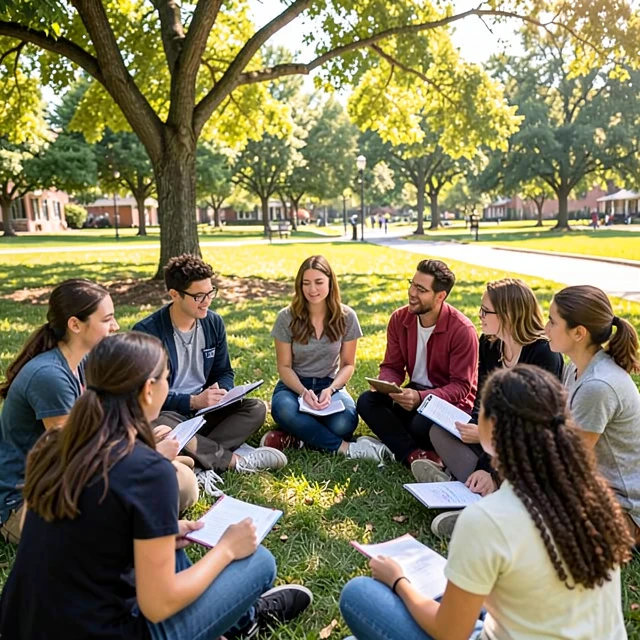
Core Effective Reflection Strategies in Service Learning
Great reflection happens before, during, and after service. Use these proven approaches:
1. The 4 Cs Framework
- Continuous: Reflect often, not just at the end.
- Connected: Link service to course goals.
- Challenging: Push students to question views.
- Contextualized: Tie to real-world issues.
This model from Eyler and Giles builds deeper thinking over time.
2. DEAL Model
Describe what happened, Examine assumptions and impacts, Articulate new learning.
This step-by-step method helps students move from surface details to meaningful insights. Many educators use it for journals or discussions.
3. What? So What? Now What?
- What happened?
- So what does it mean?
- Now what will you do differently?
Simple questions work well for quick group talks or written responses.
Other tools include: - Journals for personal thoughts - Group discussions for shared views - Directed writings tied to specific topics
Mix methods to match different learning styles.

Benefits of Service Learning for Students
When reflection drives service learning, students gain a lot.
Research shows clear wins:
- Stronger critical thinking and problem-solving
- Higher self-confidence and leadership skills
- Better understanding of social issues
- Increased civic responsibility
- Improved academic performance in related subjects
Students feel more connected to their community and school. They build empathy and see themselves as change-makers. One study found service learning boosts satisfaction with college and interpersonal skills.
From my experience mentoring programs, students often say reflection helped them clarify career goals. They apply classroom ideas in real settings and see direct impacts.
How to Launch a Service Learning Program on a Budget
You don't need big funds to start.
Follow these steps:
- Identify community needs through talks with local groups.
- Connect with existing organizations—no need to create new ones.
- Use free resources like school facilities or volunteer time.
- Start small with one class or club project.
- Track hours with simple tools or free apps.
Partner with nonprofits for supplies. Many welcome student help without extra costs.
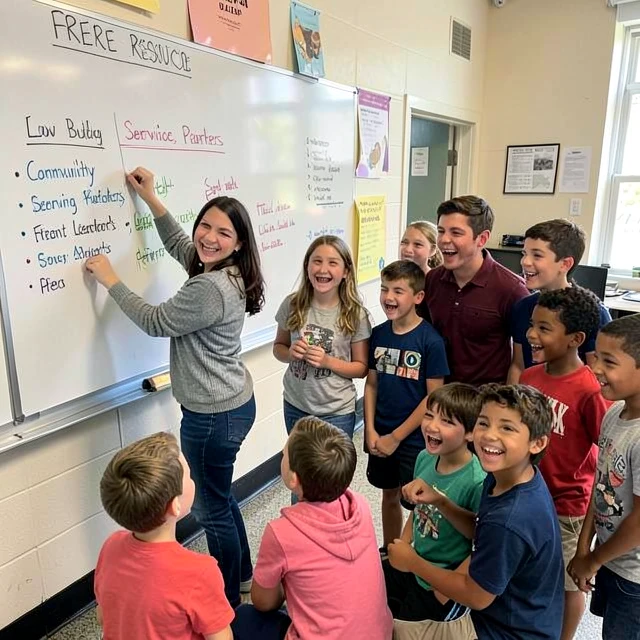
Service Learning Grants and Funding: Opportunities for Community Impact
Funding grows your program.
Look for:
- Federal options like past Learn and Serve America (check current ED grants)
- State education grants for community engagement
- University or school small grants
- Local foundations focused on youth and education
Many offer $1,000–$10,000 for student projects or program starts.
Build partnerships first—they strengthen applications.
Common Mistakes to Avoid When Writing Grant Proposals
Strong proposals win funds. Skip these errors:
- Submitting generic applications without tailoring to the funder
- Ignoring guidelines or deadlines
- Weak needs statement without clear community impact
- No realistic budget or evaluation plan
- Forgetting to show sustainability beyond the grant
Always proofread and get feedback. Align your project to the grant's goals.
Wrapping It Up
Effective Reflection Strategies in Service Learning transform service into powerful learning. Students gain skills, confidence, and civic awareness. Start small, reflect deeply, seek funding wisely, and avoid proposal pitfalls.
Build meaningful programs that benefit everyone involved.