Effective Strategies for Tracking Advocacy Success in Nonprofits
Discover practical ways to measure and improve your nonprofit's advocacy efforts. Learn simple steps, key metrics, and real-world tips to show your impact and drive bigger results.
4 min read

Overview
Nonprofits often lead advocacy work to create change. Tracking success helps show impact and guide future efforts. This article shares effective strategies for tracking advocacy success in nonprofits, with simple steps to measure results and boost your work.
Advocacy in nonprofits means pushing for policy changes, raising awareness, or building support for a cause. But how do you know if your efforts work? Without clear tracking, it's hard to prove value to donors, board members, or the community.
I've seen many nonprofit leaders struggle with this. In my experience working with various organizations, the key is to start small and build from there. Let's dive into effective strategies for tracking advocacy success in nonprofits.
Why Track Advocacy Success?
Tracking helps you see what's working and what needs adjustment. It builds trust with stakeholders and attracts more funding. For example, when you can show how your campaign changed a law or shifted public opinion, people take notice.
Nonprofits face tight budgets and high expectations. By measuring impact, you make smarter choices. This leads to bigger results over time.

Setting Clear Goals
Start by defining what success looks like. Ask: What change do we want? Is it more signatures on a petition, media coverage, or policy wins?
Make goals specific, like 'Increase community support by 20% in six months.' This makes tracking easier.
In one nonprofit I advised, they set a goal to influence local legislation. They tracked meetings with lawmakers and public support. It worked because the goals were clear.
Key Metrics for Tracking Success in Nonprofit Advocacy
Choose metrics that match your goals. Here are some common ones:
- Engagement Metrics: Count likes, shares, and comments on social media posts about your cause.
- Reach Metrics: Track how many people see your messages through email opens or event attendance.
- Outcome Metrics: Measure real changes, like new policies passed or funds raised.
Don't forget qualitative metrics. Stories from people affected by your work add depth.
For advocacy tips for nonprofit leaders, focus on mixing numbers with stories. This paints a full picture.
| Metric Type | Examples | Why It Matters |
|---|---|---|
| Engagement | Social media interactions, petition signatures | Shows interest and involvement |
| Reach | Website visits, media mentions | Indicates how far your message spreads |
| Outcomes | Policy changes, behavior shifts | Proves real-world impact |
Tools to Measure Nonprofit Impact
You don't need fancy software to start. Free tools like Google Analytics track website traffic. Social media platforms offer built-in insights.
For more depth, try CRM systems like Salesforce for nonprofits. They help log interactions and outcomes.
How to measure nonprofit impact: simple steps for big results include regular check-ins. Set up monthly reviews to look at data and adjust plans.
In my view, the best tool is one your team can use easily. Start with spreadsheets if that's what works.

Involving Your Team and Volunteers
Advocacy often relies on volunteers. Use best-practices-in-volunteer-program-management to track their contributions.
Train volunteers to report their activities, like hours spent or people reached. This data feeds into your overall metrics.
One organization I know boosted success by recognizing volunteer efforts in reports. It motivated the team and showed broader impact.
- Assign clear roles for data collection.
- Use simple apps for logging activities.
- Celebrate wins together to keep morale high.
Overcoming Common Challenges
Data overload is a big issue. Focus on a few key metrics to avoid burnout.
Another challenge is attributing success to your efforts. Use surveys to ask how people heard about your cause.
Privacy matters too. Follow laws like GDPR when collecting data.
From experience, patience pays off. Tracking improves over time as you learn what works.
Case Studies: Real-World Examples
Consider a environmental nonprofit that tracked advocacy for cleaner rivers. They measured media coverage and policy meetings. Over a year, they saw a 30% increase in support, leading to new laws.
Another example: A health advocacy group used surveys to track behavior changes. They found their campaigns reduced smoking rates in target areas.
These stories show that tracking success in nonprofit advocacy leads to real wins.
Advanced Strategies
Once basics are in place, try A/B testing messages. See which ones get more engagement.
Partner with other nonprofits for shared tracking. This amplifies your data and insights.
Use data visualization tools to make reports engaging. Charts beat long lists every time.
For advocacy tips for nonprofit leaders, always tie data back to your mission. It keeps everyone focused.
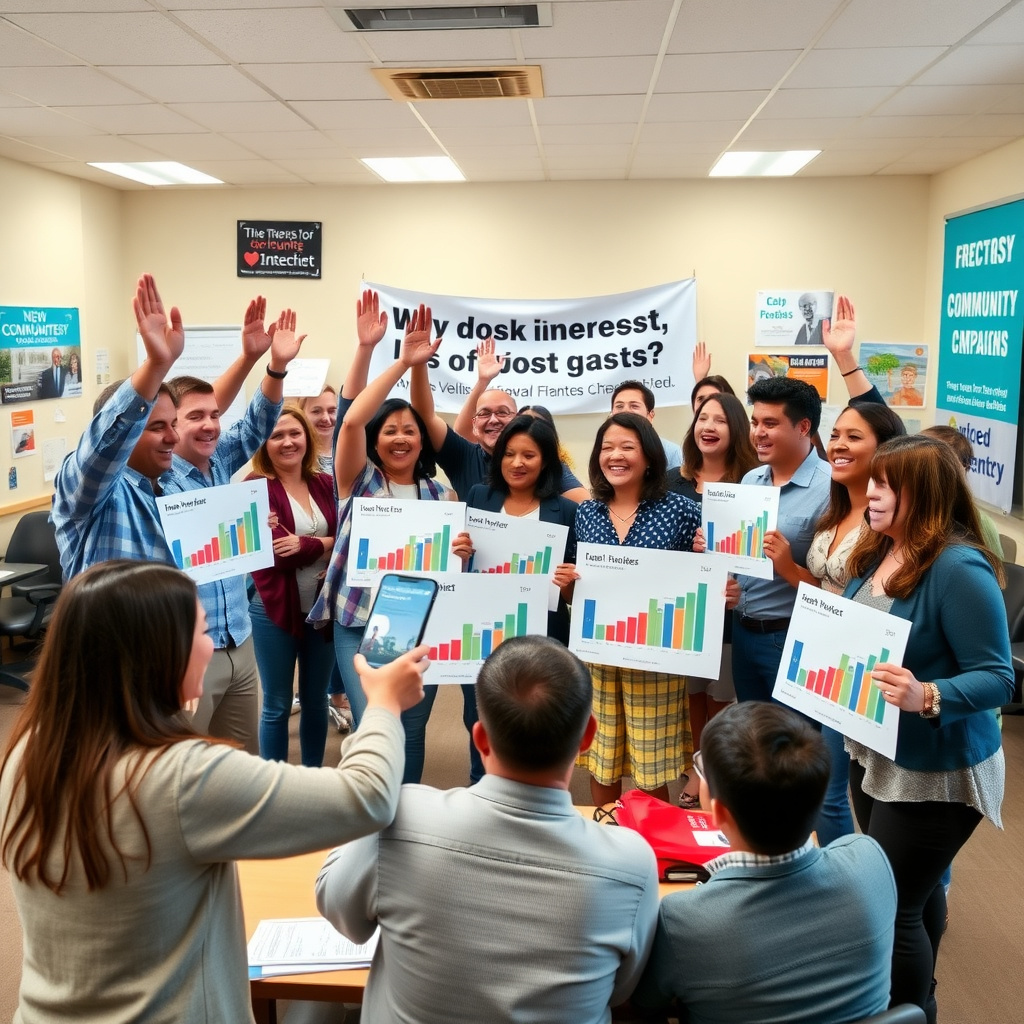
Building a Culture of Measurement
Make tracking part of your daily routine. Train staff and volunteers regularly.
Share successes widely. Post updates on your website or newsletter.
This builds momentum and attracts more supporters.
Summary
Effective strategies for tracking advocacy success in nonprofits start with clear goals and simple metrics. Use tools that fit your team, involve volunteers, and learn from challenges. With consistent effort, you'll measure impact and achieve big results.
Remember, tracking isn't just about numbers—it's about showing the change you create.