Mastering Time Management for Volunteers: A Comprehensive Guide
Discover effective time management strategies for volunteers, learn how to balance volunteer work with advocacy efforts, and gain valuable insights from real experiences.
3 min read

Volunteering is a rewarding yet challenging endeavor, especially when balancing it with advocacy efforts and other life commitments. This comprehensive guide offers practical time management strategies, personal insights, and actionable tips to help volunteers maximize their impact while maintaining a healthy work-life balance.

Effective time management is essential for volunteers who want to make a meaningful difference without sacrificing their well-being. Whether you're a volunteer at a local charity or passionate about advocacy, this article provides strategies to help you thrive.
I remember my early days as a volunteer. I was so excited to help that I said yes to everything—organizing events, attending meetings, even leading projects. Soon, I was swamped. My energy dropped, and I felt like I was letting everyone down. That’s when I learned that effective time management for volunteers isn’t just nice to have—it’s a must.
Start by setting clear goals. Ask yourself: What do I want to achieve? Maybe you want to assist 50 families or raise awareness about an issue. Clear goals keep you focused. A University of Michigan study found that volunteers with specific goals feel 30% more satisfied with their work.
Next, prioritize your tasks. Not everything needs your attention right away. If you’re volunteering at a shelter, feeding animals might matter more than updating a spreadsheet. Focus on what moves the needle most for your cause.
Scheduling is a game-changer. Grab a planner or app and block out time for volunteering. Treat it like a doctor’s appointment—non-negotiable. This stops volunteer work from spilling into family time or your job.

Here are some practical tips for effective time management for volunteers:
- Set SMART goals: Specific, Measurable, Achievable, Relevant, Time-bound.
- Try the Eisenhower Matrix: Sort tasks by urgency and importance.
- Batch tasks: Do similar things together, like replying to emails in one go.
- Say no when needed: It’s okay to pass on extra duties.
- Take breaks: Step away to recharge.
- Check in: Review what’s working and tweak your plan.
How to balance volunteer work with advocacy efforts can feel tricky. Advocacy—like speaking at events or writing letters—takes time. But you can combine them smartly. Use your volunteer stories to fuel your advocacy. For example, if you help at a food bank, share those experiences to push for better food policies.
Here’s a quick success story. Sarah, a busy mom and animal shelter volunteer, struggled with time. She set a goal to boost adoptions by 20%. By scheduling shifts and using her volunteer tales to advocate online, she hit her target in six months—and felt great doing it.
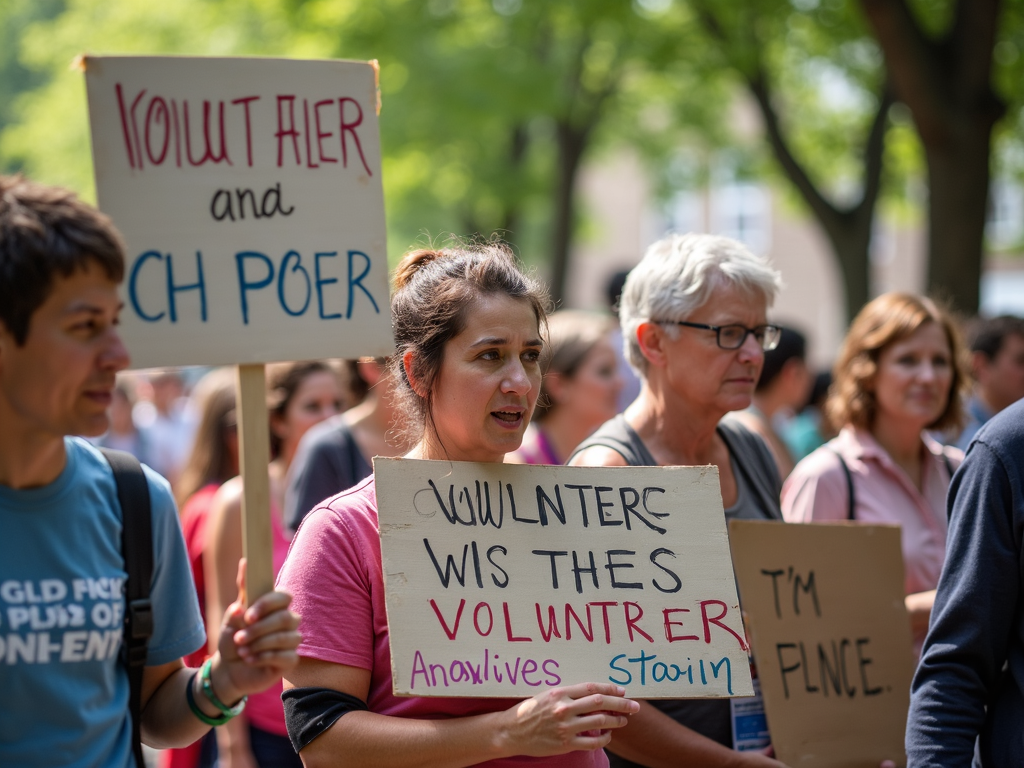
Volunteering can wear you out, especially with tough issues like poverty or animal rescue. Self-care keeps you going. Try short walks, reading, or chatting with friends. The National Council of Nonprofits suggests setting boundaries to protect your energy.
Don’t go it alone. Many groups offer help. The Corporation for National and Community Service has free training for volunteers. Online forums are goldmines too—swap tips with others who get it.
Need tools? Here’s a handy table:
| Tool | Features | Pros | Cons |
|---|---|---|---|
| Trello | Boards, lists | Visual, team-friendly | Can feel complex |
| Google Calendar | Events, reminders | Easy to use | Basic task options |
| Todoist | To-do lists, priorities | Simple, mobile-ready | Premium costs extra |
Pick what fits you best.
When you nail time management, good things happen. You make a bigger dent in your cause, stress less, and enjoy volunteering more. Combining advocacy with volunteer work becomes smoother, and you stay energized for the long haul.

In short, effective time management for volunteers lets you shine without burning out. Set goals, plan your time, and care for yourself. You’ll master how to balance volunteer work with advocacy efforts and make a real difference.