Effective Volunteer Management for Nonprofits
Discover practical strategies and best practices for effective volunteer management in nonprofits. Learn how to recruit, train, engage, and retain volunteers to boost your organization's impact while supporting strong financial management and fundraising efforts.
3 min read

Overview
Effective volunteer management for nonprofits helps organizations make the most of dedicated supporters. Volunteers bring energy, skills, and passion that drive missions forward. Good management builds strong teams, reduces turnover, and creates lasting impact in communities.

Volunteers form the heart of many nonprofit organizations. They give time freely to support causes they care about. Yet, many nonprofits struggle to keep volunteers engaged long-term.
I have seen this firsthand in small community groups. When leaders treat volunteers like valued team members, everyone wins. Volunteers stay longer, work harder, and even bring in new supporters.
Why Volunteers Matter Today
Almost every nonprofit relies on volunteers in some way. Board members volunteer their guidance. Others help with daily tasks or events.
According to the National Council of Nonprofits, managing volunteers shares much with managing paid staff. Volunteers expect respect, clear direction, training when needed, and meaningful feedback.
Strong volunteer programs help stretch limited budgets. This ties directly into non-profit organization financial management. Volunteers handle tasks that might otherwise require paid help, freeing funds for core programs.
Step 1: Plan Your Volunteer Needs
Start with clear planning. Identify roles where volunteers add real value.
Ask these questions: - What tasks need extra hands? - What skills do we require? - How many volunteers can we support well?
Create position descriptions just like job postings. Include time commitment, duties, and required skills. This sets clear expectations from the start.

Step 2: Recruit the Right People
Recruitment works best when targeted. Use online platforms like VolunteerMatch. Reach out to local community groups, schools, and businesses.
Promote skilled volunteer opportunities too. Many professionals want to share expertise in areas like marketing or IT.
The National Council of Nonprofits highlights programs like Taproot that connect nonprofits with pro bono experts.
Make your nonprofit welcoming to diverse volunteers. Remove barriers that might exclude people based on background or ability. This builds stronger, more inclusive teams.
Step 3: Screen and Onboard Properly
Screen volunteers carefully, especially for roles with vulnerable people. Background checks protect everyone.
Provide thorough orientation. Share your mission, values, and policies. Offer role-specific training.
As noted in resources from the Minnesota Council of Nonprofits, allocate real resources to recruit, train, and support volunteers.
Step 4: Supervise and Support Daily
Assign a clear supervisor for each volunteer. Check in regularly. Offer ongoing feedback.
Use simple tools to track hours and tasks. Many free or low-cost software options help schedule shifts and communicate.
Build a positive culture. Involve volunteers in decisions when possible. Let them share ideas.
This approach boosts retention. Volunteers who feel heard and valued stick around longer.
Step 5: Recognize and Appreciate Efforts
Recognition matters greatly. Thank volunteers often and sincerely.
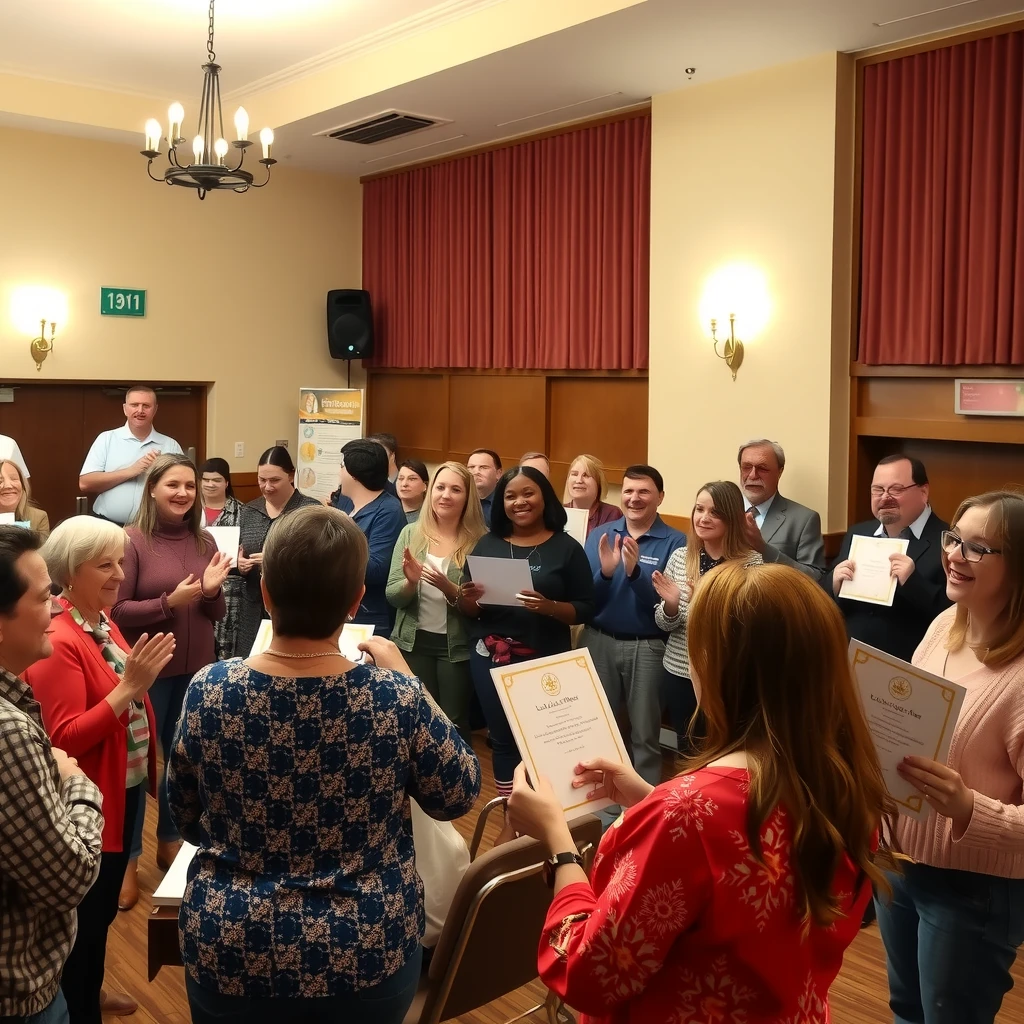
Host appreciation events. Send personal notes. Highlight achievements in newsletters.
Public thanks motivate others to join too.
Common Challenges and Solutions
Many nonprofits face volunteer burnout or high turnover.
Prevent this by: - Matching skills to tasks - Avoiding overload - Offering flexible options
Remote or virtual volunteering opens doors for more people.
Risk management protects volunteers and your organization. Have clear policies on safety and insurance.
As discussed in Nonprofit Quarterly articles, inclusive practices create better outcomes for everyone.
Connect to Broader Nonprofit Success
Effective volunteer management supports other key areas.
Strong teams help with effective fundraising strategies for NGOs. Volunteers often become donors and advocates.
They assist in events that raise funds. Skilled volunteers might even help with grant writing tips for NGOs: how to secure funding.
Solid volunteer support improves overall non-profit organization financial management by reducing costs and increasing capacity.
Final Thoughts
Invest time in your volunteers, and they invest back in your mission. Start small if needed. Build processes step by step.
Great volunteer management turns supporters into lifelong partners. It strengthens your nonprofit and creates real change in the world.