Effective Volunteer Management in Activism: Building Strong Teams for Lasting Change
Learn proven strategies for effective volunteer management in activism. Discover how to recruit, train, motivate, and retain volunteers while using the best tools to power advocacy campaigns and youth advocacy volunteer projects.
3 min read

Overview
Effective volunteer management in activism turns passionate supporters into a powerful force for change. Strong systems help you recruit the right people, keep them engaged, and achieve real impact in advocacy work. This guide shares practical steps and tools that work in real campaigns.

Why Volunteer Management Matters in Activism
Volunteers drive every successful advocacy movement. They knock on doors, organize events, and spread the message online. Without good management, even the most dedicated people burn out or drift away.
I’ve coordinated climate justice campaigns where poor communication led to half the team showing up for an event. Once we fixed our systems, turnout doubled and energy stayed high. Good management builds trust and keeps momentum going.
Step 1: Recruit the Right Volunteers
Start by being clear about what you need. Write simple role descriptions that explain tasks, time commitment, and impact.
Reach people where they are: - Post on social media with clear calls to action - Partner with local schools and community groups - Host open information sessions
For youth advocacy volunteer projects, connect with high schools and colleges. Young people bring fresh energy to issues like climate action and social justice.
Step 2: Onboard and Train New Volunteers
Welcome every new volunteer personally. Send a warm email and assign a buddy to answer questions.
Provide short, practical training sessions. Cover your mission, safety guidelines, and specific tasks. Keep sessions under an hour—people learn best by doing.
In one campaign I ran, we created a 15-minute video walkthrough of phone banking. New volunteers felt confident from day one and made twice as many calls as before.
Step 3: Keep Volunteers Motivated and Engaged
Recognize contributions often. A simple thank-you message or shout-out in a group chat goes far.
Offer flexibility. Let people choose shifts that fit their lives. Create leadership roles for experienced volunteers—they’ll stay longer when they feel ownership.
Celebrate wins together, big and small. After a successful petition drive, host a casual gathering. Shared victories build lasting commitment.
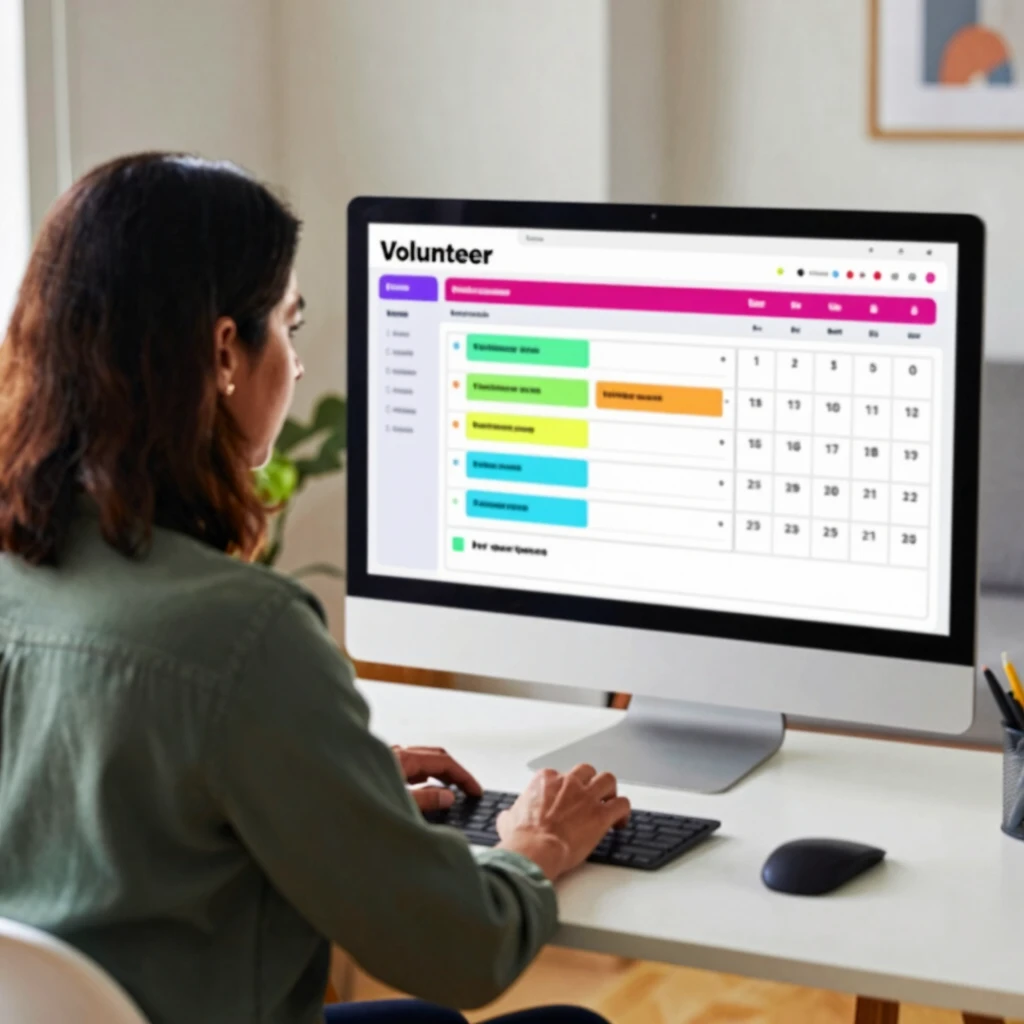
Top 5 Tools for Project Management in Activism
The right tools make coordination easy and keep everyone on the same page. Here are five that work especially well for advocacy groups:
- Mobilize – Perfect for event sign-ups and shift management. Volunteers can find opportunities and RSVP in seconds.
- Trello – Visual boards help track campaign tasks. Free and simple to learn.
- Asana – Great for complex projects with deadlines and assignments. The free plan works for most small-to-medium groups.
- Slack – Fast team communication with channels for different projects. Keeps email clutter down.
- Action Network – Built for progressive activism. Handles email lists, events, and fundraising in one place.
Start with one or two tools that solve your biggest pain points. Train volunteers quickly so everyone feels comfortable using them.
Supporting Youth Advocacy Volunteer Projects
Young people often lead today’s most visible movements. Create safe, meaningful roles for them.
Examples that work well: - Organizing school climate strikes - Running voter registration drives - Creating social media content about local issues - Leading community clean-ups or food drives
Provide adult mentors and clear boundaries. Listen to youth ideas—they often spot opportunities older activists miss.

Common Challenges and How to Solve Them
Burnout – Watch for signs and encourage breaks. Rotate demanding tasks.
Flaky attendance – Send friendly reminders 48 hours and 2 hours before events. Over-recruit by 20-30% for important actions.
Conflict – Address issues quickly and privately. Focus on shared goals.
Limited budget – Use free tool versions and build relationships with local businesses for in-kind support.
Personal Insight: What I’ve Learned After Years in the Field
The biggest lesson? Treat volunteers as partners, not free labor. Listen to their feedback and act on it. When people feel heard and valued, they bring creativity and commitment you can’t buy.
I once almost lost a core team because I forgot to ask what they needed. A simple survey turned things around—we adjusted schedules and added more social time. Retention soared.
Final Summary
Effective volunteer management in activism comes down to clear communication, genuine appreciation, and smart tools. Recruit purposefully, train well, stay flexible, and celebrate progress. When you build a supportive community, volunteers stay longer and your advocacy work creates real, lasting change.
Start small: pick one area to improve this week. Your movement will thank you.