Empathy in the Workplace – Center for Creative Leadership: Building Stronger Teams and Better Leaders
Discover how empathy in the workplace, as highlighted by the Center for Creative Leadership, drives performance, trust, and innovation. Learn practical ways to lead with understanding, including insights from advocacy and volunteering.
4 min read
In today's fast-paced work world, leaders who understand their teams stand out. Empathy in the workplace – Center for Creative Leadership research shows it is a key tool for effective leadership. It helps build trust, boost performance, and create happier teams. This article explores why empathy matters and how you can use it every day.

Empathy means putting yourself in someone else's shoes. It is about understanding their feelings and needs without judgment. The Center for Creative Leadership (CCL) has studied this for years. Their research with thousands of managers across many countries found that empathetic leaders get rated higher on job performance by both their bosses and teams.
Why does this matter? Teams with empathetic leaders feel more supported. People stay longer in their jobs. They share ideas freely. Productivity rises. One study linked low empathy to higher turnover costs that can reach billions for companies. On the flip side, empathetic workplaces see better motivation and innovation.
What Empathy Looks Like at Work
Empathy in the workplace shows up in simple actions. A manager notices when an employee seems stressed and offers a flexible deadline. A colleague listens fully during a tough conversation instead of jumping in with solutions. These moments create real connections.
CCL research points out that leadership today requires being person-focused. Leaders must work with people from different cultures, backgrounds, and experiences. Empathy helps bridge those gaps. It turns potential conflicts into opportunities for understanding.

I once worked with a team where deadlines felt overwhelming. Our supervisor took time to ask how everyone was doing personally. She adjusted workloads based on what she heard. The result? Morale improved, and we delivered better work. That personal insight showed me how empathy creates loyalty.
The Business Case for Empathy
Numbers back up the value. Managers rated high in empathy by their teams often get seen as top performers by senior leaders. This holds true especially for mid-level and higher roles. Empathetic organizations report stronger collaboration and less burnout.
Employees in empathetic workplaces say they feel more creative and balanced. They trust their leaders more. This trust leads to open communication and fewer misunderstandings. In short, empathy is not just nice — it drives real results.
How to Build Empathy Skills
Good news: You can develop empathy. Start with active listening. Give your full attention without planning your reply. Ask open questions like 'How does this situation make you feel?' Then reflect back what you hear.
Try perspective-taking exercises. Imagine a colleague's day from their viewpoint. What challenges might they face? This simple mental shift builds understanding.
Show compassion through small acts. A kind word, recognition of effort, or support during personal difficulties goes far. Avoid rushing to fix problems. Sometimes people just need to feel heard.
CCL suggests leaders practice these habits consistently. Over time, they become natural. Teams notice the difference and respond with higher engagement.
Empathy Beyond the Office: Lessons from Advocacy and Volunteering
Empathy skills shine outside work too. Consider advocacy and volunteer roles. Skills needed for advocacy volunteering include strong listening, clear communication, and emotional intelligence. These overlap directly with workplace empathy.
In 'Listening to Lead: Empathy in Advocacy' by Mark Torres, the focus is on how true listening creates impact in volunteer efforts. Advocates who understand community needs can push for better changes. The same principle applies at work: leaders who listen well advocate effectively for their teams.
Volunteering builds empathy muscles. When you support a cause, you meet people with different life stories. You learn to set aside assumptions. These experiences make you a more rounded professional. Many leaders credit volunteer work with sharpening their people skills.
Here is a quick list of overlapping skills:
- Active listening
- Perspective taking
- Clear and respectful communication
- Emotional awareness
- Problem-solving with compassion
Practicing them in advocacy volunteering strengthens your workplace leadership.
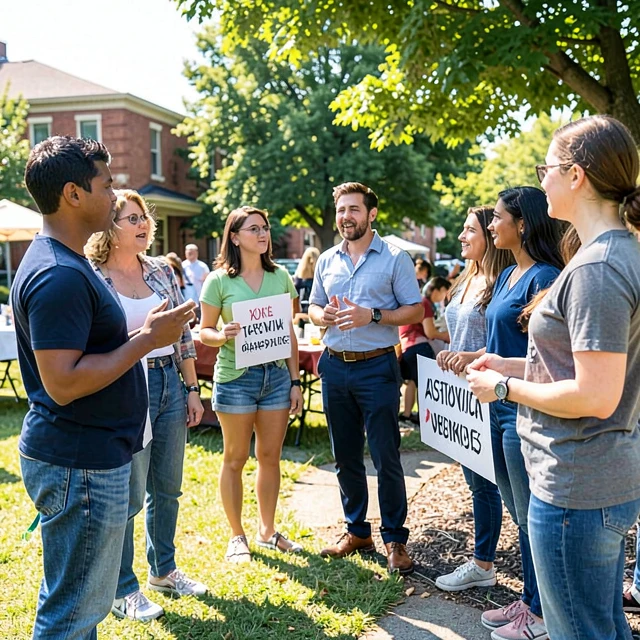
One volunteer experience taught me this well. While helping at a local support event, I listened to stories from people facing real hardships. Their perspectives changed how I approached team challenges back at the office. I became more patient and solution-focused.
Practical Tips to Foster Empathy Daily
- Schedule regular check-ins that focus on well-being, not just tasks.
- Create safe spaces for sharing ideas without fear of criticism.
- Recognize personal milestones and challenges openly.
- Offer flexibility when life gets tough.
- Model vulnerability by sharing your own experiences when appropriate.
Use tools like team feedback sessions. Ask what support people need. Then act on it. Small changes compound into a more empathetic culture.
Remember, empathy pairs with accountability. Understanding feelings does not mean lowering standards. It means guiding people with care while keeping goals clear.
Common Challenges and How to Overcome Them
Some leaders worry empathy makes them seem weak. Research from CCL proves the opposite. Empathetic leaders perform better. Others find it hard in high-pressure environments. Start small. Practice in low-stakes moments and build from there.
Cultural differences can complicate empathy. What feels supportive in one culture might differ in another. Stay curious and ask questions. Willingness to learn bridges gaps.
Burnout can reduce empathy. Leaders must care for themselves too. Rest, reflection, and support help maintain the ability to care for others.
Summary: Empathy as a Leadership Superpower
Empathy in the workplace – Center for Creative Leadership insights confirm it strengthens teams and improves outcomes. It creates trust, sparks innovation, and helps retain talent. By combining workplace practices with lessons from advocacy volunteering, leaders develop deeper connections.
Start today with one small empathetic action. Listen more fully. Show genuine care. Watch how your team and results improve. Empathy is a skill that grows with use and pays dividends for everyone.