Empowering Change: The Impact of Youth Advocacy Volunteer Projects
Discover how youth advocacy volunteer projects empower young people to drive change in their communities. This article explores their impact, shares personal insights, and offers actionable steps to get involved in advocacy and volunteering.
4 min read
Overview
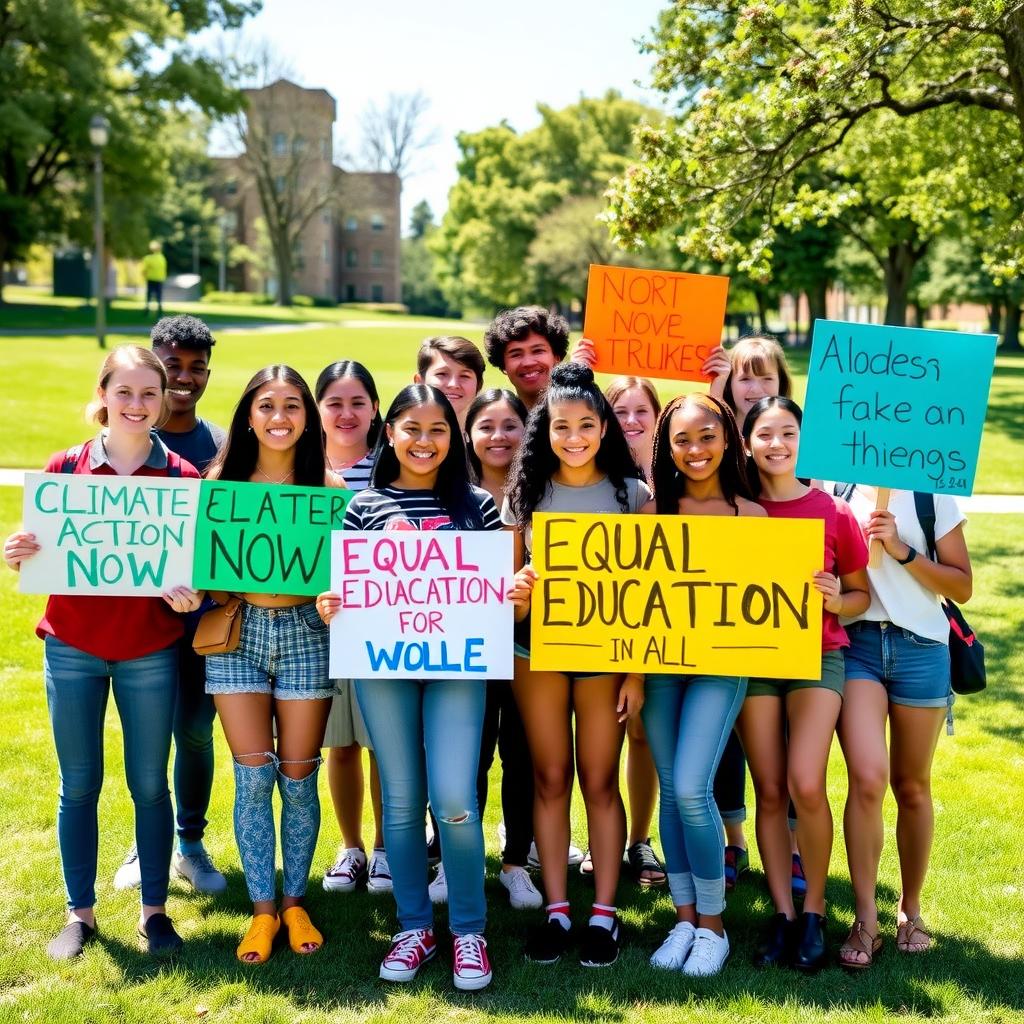
Youth advocacy volunteer projects are powerful platforms where young people channel their passion to create meaningful change. These initiatives, driven by advocacy and volunteerism, tackle issues like education, climate change, and social justice, empowering youth to shape a better future while developing critical skills.
What Are Youth Advocacy Volunteer Projects?
Youth advocacy volunteer projects involve young people, typically aged 15-24, taking action to promote causes they care about. These initiatives range from organizing community events to lobbying policymakers or launching social media campaigns. Unlike traditional volunteering, advocacy focuses on systemic change—addressing root causes rather than just symptoms. For example, instead of only cleaning up a park, youth advocates might push for policies to reduce pollution.
I’ve seen firsthand how these projects ignite passion. During my time mentoring at a local youth organization, I watched teens transform from shy participants into confident leaders, organizing rallies for climate action. Their energy was contagious, proving that young voices can drive real impact.

Why Youth Advocacy Matters
Young people bring unique perspectives to advocacy. They’re often directly affected by issues like underfunded schools or climate change, giving them a personal stake in creating solutions. According to a UNICEF report on youth engagement, 70% of young advocates feel more empowered to influence policy after participating in structured programs. This empowerment builds confidence and skills like public speaking and critical thinking.
Advocacy also fosters a sense of responsibility. When youth volunteer, they learn how their actions ripple outward, impacting communities and even global policies. For instance, movements like #FridaysForFuture, led by young activists, have pushed governments worldwide to prioritize climate goals. These projects show that advocacy isn’t just about speaking up—it’s about creating lasting change.
Types of Youth Advocacy Volunteer Projects
Youth advocacy takes many forms, each offering unique ways to make a difference. Here are some common types:
- Community Organizing: Youth plan events like town halls or protests to raise awareness. For example, students in my city organized a voter registration drive that boosted youth turnout by 15%.
- Policy Advocacy: Engaging with lawmakers to influence legislation. The Education Above All Foundation trains youth to advocate for education access globally.
- Digital Campaigns: Using social media to amplify causes. Hashtags like #NotTooYoungToRun have sparked global conversations about youth in politics.
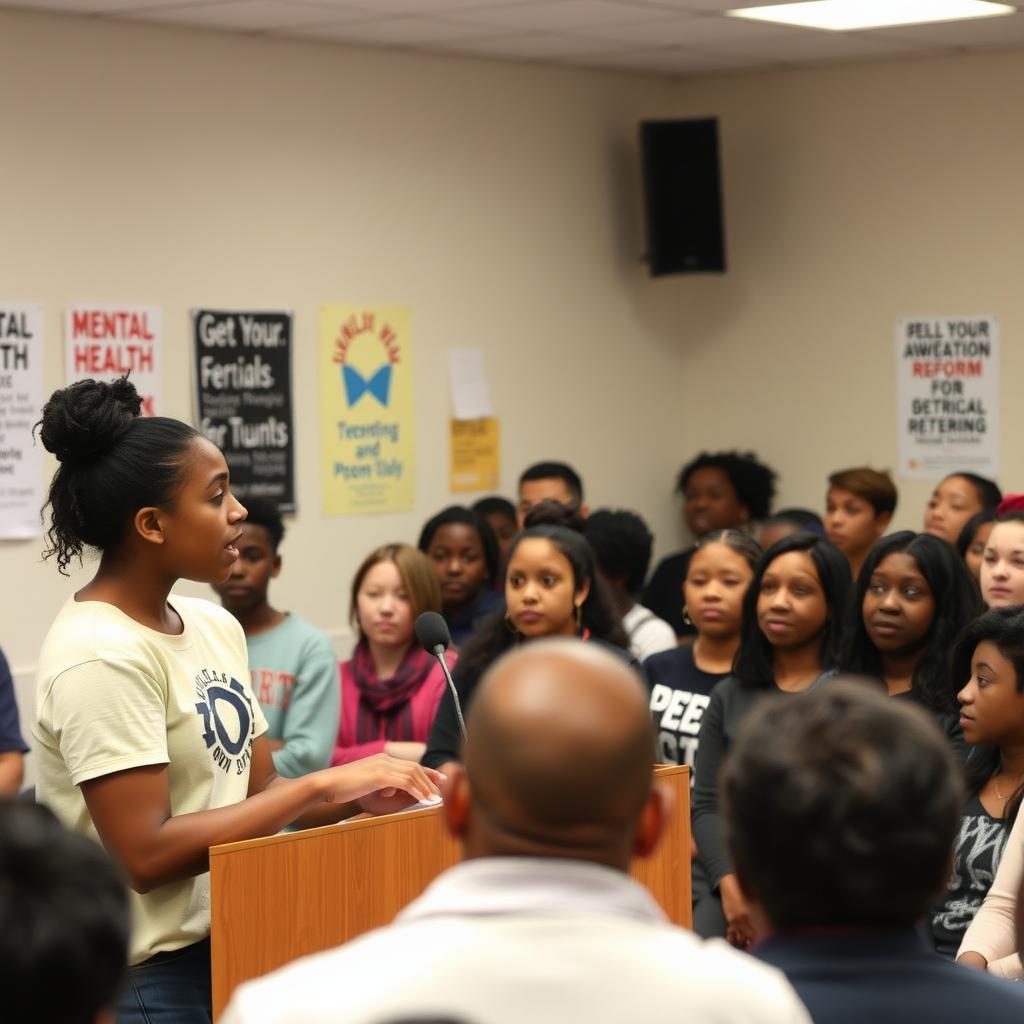
- Educational Workshops: Teaching peers about issues like mental health or sustainability. I once joined a workshop where teens taught others about recycling, reducing local waste by 10%.
Each type allows youth to leverage their strengths, whether they’re tech-savvy or natural leaders.
Benefits of Getting Involved
Joining youth advocacy volunteer projects offers benefits beyond community impact. Here’s a quick look:
| Benefit | How It Helps |
|---|---|
| Leadership Skills | Organizing events hones project management and teamwork. |
| Critical Thinking | Researching issues sharpens analytical skills. |
| Networking | Connecting with advocates builds lifelong relationships. |
| Personal Growth | Facing challenges boosts confidence and resilience. |
Personally, volunteering taught me how to navigate tough conversations. When I helped organize a youth summit, I learned to mediate disagreements among team members, a skill I now use daily. Studies, like one from the OECD on youth volunteering, show that 80% of young volunteers report improved employability due to these skills.
How to Get Started
Ready to dive into youth advocacy? Here’s a step-by-step guide to kickstart your journey:
- Find Your Passion: Reflect on issues that matter to you—climate change, education, or equality. Passion fuels commitment.
- Research Opportunities: Look for local or global programs. Websites like Voices of Youth offer resources and training guides.
- Join a Group: Connect with organizations like UNICEF or local nonprofits. They often provide mentorship and structure.
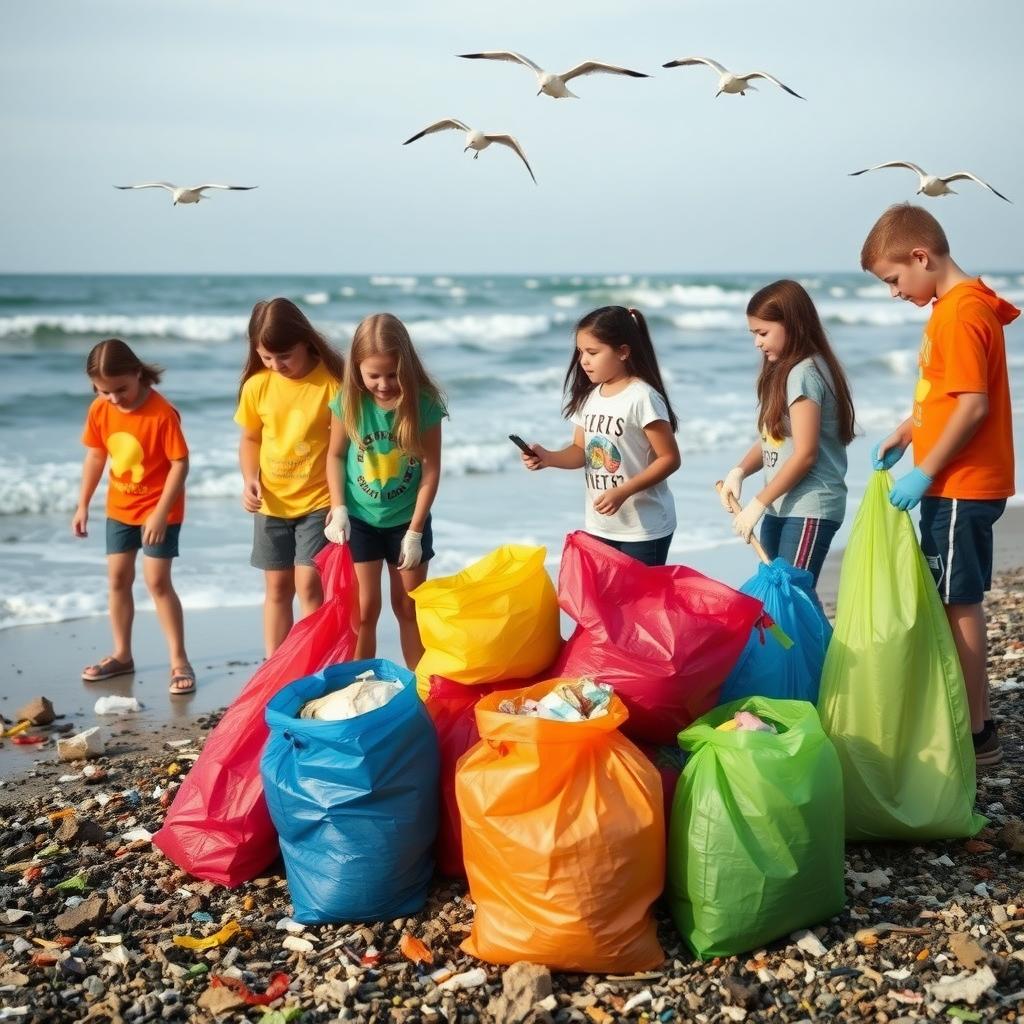
- Start Small: Begin with a single event, like a community cleanup, to build confidence.
- Develop Skills: Learn research, public speaking, or social media strategies to amplify your impact.
When I started, I felt overwhelmed, unsure where to begin. Joining a local environmental group gave me direction. Small actions, like sharing a petition online, snowballed into bigger opportunities, like speaking at a city council meeting.
Challenges and How to Overcome Them
Advocacy isn’t always easy. Common challenges include:
- Lack of Resources: Many youth lack access to funding or platforms. Solution: Use free tools like social media or partner with established organizations.
- Burnout: Advocacy can be emotionally taxing. Solution: Prioritize mental health with breaks and support networks.
- Skepticism: Some adults dismiss young voices. Solution: Back your arguments with data and persistence.
I faced skepticism when pitching a recycling program to my school board. By presenting data on waste reduction, I won their support. Persistence and preparation are key.
Real-World Impact
Youth advocacy volunteer projects have tangible outcomes. For example, the #FeesMustFall movement in South Africa, led by students, reduced university fees for low-income students. Similarly, youth-led campaigns in Uganda, supported by the Education Above All Foundation, improved education access for refugees. These successes show that young advocates can influence policy and transform communities.
On a personal note, I saw this impact when my youth group advocated for a local mental health hotline. After months of campaigning, our city funded it, helping hundreds of teens. Moments like these remind me why advocacy matters—it’s about real people, real change.
Summary
Youth advocacy volunteer projects empower young people to tackle pressing issues while building skills and confidence. From community organizing to digital campaigns, these initiatives offer diverse ways to make a difference. By starting small, finding your passion, and persisting through challenges, you can leave a lasting mark. Get involved today—your voice matters.