Empowering Tomorrow: Inspiring Youth Advocacy Volunteer Projects for Change-Makers
Discover how youth advocacy volunteer projects build skills, foster empathy, and drive real change. From community campaigns to policy pushes, learn actionable ways for young people to volunteer and advocate effectively.
4 min read
Youth advocacy volunteer projects give young people a powerful voice. These hands-on efforts let teens and young adults fight for causes they care about, like climate action or mental health support. By volunteering, you gain skills, build connections, and spark real community change. Ready to dive in? This guide shares practical steps, personal stories, and top ideas to get you started.
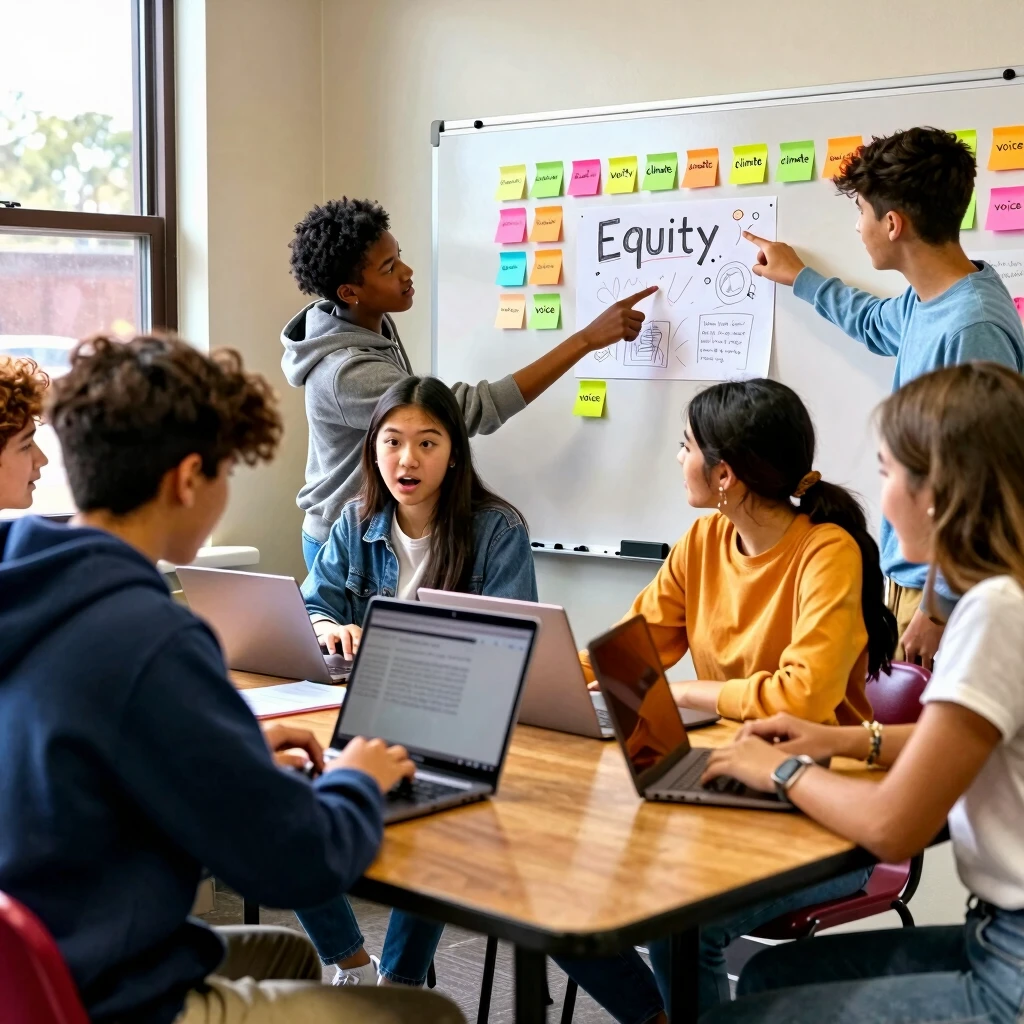
What Makes Youth Advocacy Volunteer Projects So Vital?
Imagine a world where young voices shape policies and fix local problems. That's the heart of youth advocacy volunteer projects. Advocacy means speaking up for others or causes that need attention. When you volunteer in these projects, you turn passion into action.
These initiatives aren't just about protests or petitions. They include organizing workshops, raising awareness through social media, or mentoring peers. Young people lead the charge, learning to navigate systems and build coalitions along the way.
From my own experience, I joined a school-based advocacy group at 16. We pushed for better lunch options in our cafeteria. What started as casual chats turned into meetings with administrators. Seeing our ideas on the menu? That win built my confidence like nothing else.
Why focus on youth? Kids and teens bring fresh energy and unfiltered views. Adults often overlook issues like online safety or affordable housing for families. Youth volunteers bridge that gap, ensuring diverse perspectives drive solutions.
The Real Benefits of Getting Involved
Volunteering in advocacy isn't just feel-good— it delivers tangible gains. Studies show these projects boost mental health. For instance, research from the University of Texas Health Science Center reveals that teens who volunteer in community programs see reduced depression and anxiety. Helping others creates a sense of purpose that combats stress.
Beyond wellness, these efforts sharpen skills. You learn public speaking, project management, and teamwork. A multi-state study on 4-H youth volunteers from the University of Pittsburgh highlights how participants gain leadership abilities and stronger community ties.
Personally, advocacy taught me resilience. During a campaign for park cleanups, we faced rainy cancellations and skeptical locals. Pushing through? It showed me failure is just a detour.
| Benefit | How It Helps Youth |
|---|---|
| Skill Building | Improves communication and planning |
| Mental Health Boost | Lowers anxiety through purpose |
| Network Growth | Connects with mentors and peers |
| Community Impact | Drives real local changes |
Top Youth Advocacy Volunteer Projects to Explore
Ready for ideas? Here are five standout projects that blend advocacy and volunteer work. Each one offers entry points for different interests and skill levels.
-
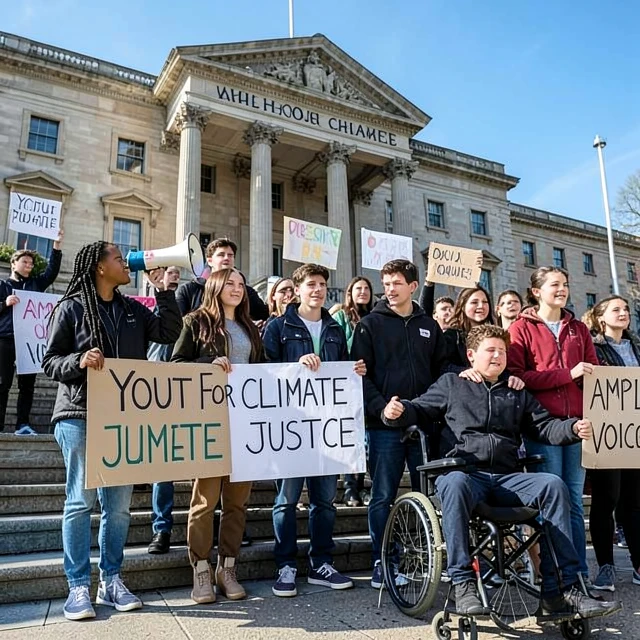
Environmental Justice Campaigns: Join groups like Youth vs. Apocalypse. Volunteers map local pollution hotspots and lobby for green policies. Start by attending clean-up drives or creating educational videos.
-
Mental Health Awareness Drives: Programs such as the Amplify and Advocate initiative from Ireland, detailed in PubMed Central, inspire similar U.S. efforts. Teens host peer support circles or advocate for school counselors.
-
Youth-Led Policy Workshops: Through the Youth Advocacy Project at the University of Pennsylvania, students team up with law experts to draft bills on issues like juvenile justice.
-
Community Equity Builds: Inspired by 4-H community service ideas from the University of Nebraska-Lincoln, organize food drives or anti-bullying assemblies. These projects emphasize inclusivity for underserved neighborhoods.
-
Digital Advocacy Hubs: Create online platforms for voter education. Volunteers curate resources and run webinars, reaching global audiences.
Pick one that fires you up. Remember, small steps count. My first project was a neighborhood watch for stray animals— it grew into a full shelter partnership.
How to Launch Your Own Youth Advocacy Volunteer Project
Starting feels daunting, but break it down. First, identify your cause. What keeps you awake at night? Climate? Equality? Jot it down.
Next, gather a crew. Reach out to friends, school clubs, or online forums. Use tools like Google Forms for interest surveys.
Plan smart. Set goals: 'Host three events in six months.' Budget basics— think free venues like libraries.
Fundraise creatively. Bake sales or crowdfunding work wonders. Track progress with simple apps like Trello.
- Step 1: Brainstorm issues with your group.
- Step 2: Research local needs via surveys.
- Step 3: Partner with orgs like National Park Service youth programs for support.
- Step 4: Execute and reflect— celebrate wins!
In my journey, partnering early saved headaches. A local nonprofit handled permits while we focused on content. Win-win.
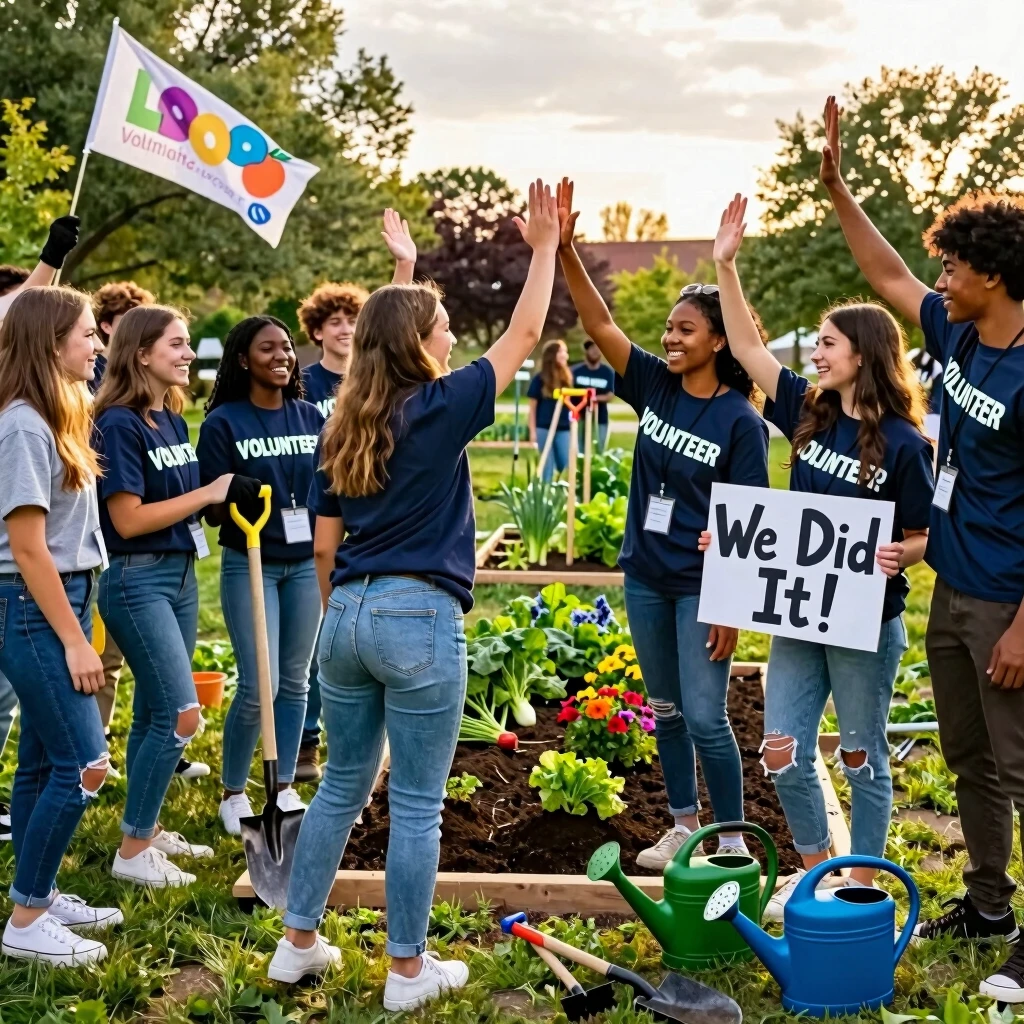
Overcoming Common Hurdles in Advocacy Work
Not every day shines. Burnout hits when schedules clash. Solution? Rotate roles and schedule breaks.
Skepticism from adults? Back claims with data. Share stories over stats to connect emotionally.
Lack of funds? Bootstrap with grants from youth foundations. Persistence pays off.
I've faced doubts too. 'You're just kids,' one councilor said. We responded with a petition of 500 signatures. Doors opened.
Wrapping Up: Your Voice Matters Now
Youth advocacy volunteer projects aren't optional— they're essential. They equip you to lead, heal communities, and amplify silenced stories. Whether joining an existing group or sparking your own, every volunteer step counts.
Take that first action today. Your future self—and your community—will thank you. What's one project you'll explore?