Engaging Students in Volunteer Work: Best Practices
Discover effective strategies for engaging students in volunteer work. Learn top service learning project ideas, how to secure service learning grants and funding, and why service learning matters for young people.
4 min read
Overview
Engaging students in volunteer work helps them build skills, empathy, and community connections. This guide covers best practices, top service learning project ideas, and tips for finding service learning grants and funding to support these efforts.
Why Engage Students in Volunteer Work?
Students today face many pressures, from schoolwork to social media. But getting them involved in volunteer activities can make a big difference. It gives them a chance to step outside their routine and help others.
In my years working with young people, I've seen how volunteer work sparks a sense of purpose. One student I knew started by helping at a local food bank. By the end, he led his own team. Experiences like this show the real impact.
Research backs this up. According to benefits of volunteering for students from the College Board, giving back helps students learn more about themselves while building resumes.
Key Benefits for Students
Volunteering isn't just about helping others—it's a win for students too. Here are some top benefits:
- Builds Skills: Students learn teamwork, leadership, and problem-solving.
- Boosts Mental Health: It reduces stress and increases happiness.
- Improves Job Prospects: Employers value volunteer experience.
Statistics show the power here. Recent volunteering statistics from the U.S. Census Bureau reveal that over 23% of Americans volunteered in recent years, contributing billions of hours. For students, this involvement often leads to better academic performance and stronger networks.

Best Practices for Engaging Students in Volunteer Work
Getting students excited about volunteering takes planning. Start small and build from there. Make it fun and relevant to their interests.
One key step is to match tasks with what students enjoy. If a student loves animals, point them to a shelter. This keeps them coming back.
From my perspective, clear communication is vital. Tell students what to expect and why it matters. Share stories of past volunteers to inspire them.
Volunteer recruitment best practices from Johns Hopkins University suggest building a presence on campus and creating meaningful roles. This approach works well for schools too.
Steps to Get Started
- Assess Interests: Survey students on what causes they care about.
- Partner with Organizations: Connect with local groups for opportunities.
- Provide Training: Offer short sessions on how to volunteer effectively.
- Track Progress: Use apps or journals to log hours and reflections.
- Celebrate Wins: Host events to recognize student efforts.
These steps make engaging students in volunteer work straightforward and rewarding.
Top Service Learning Project Ideas
Service learning combines classroom lessons with real-world action. It's a great way to engage students while teaching key concepts.
Here are some top service learning project ideas that I've seen work wonders:
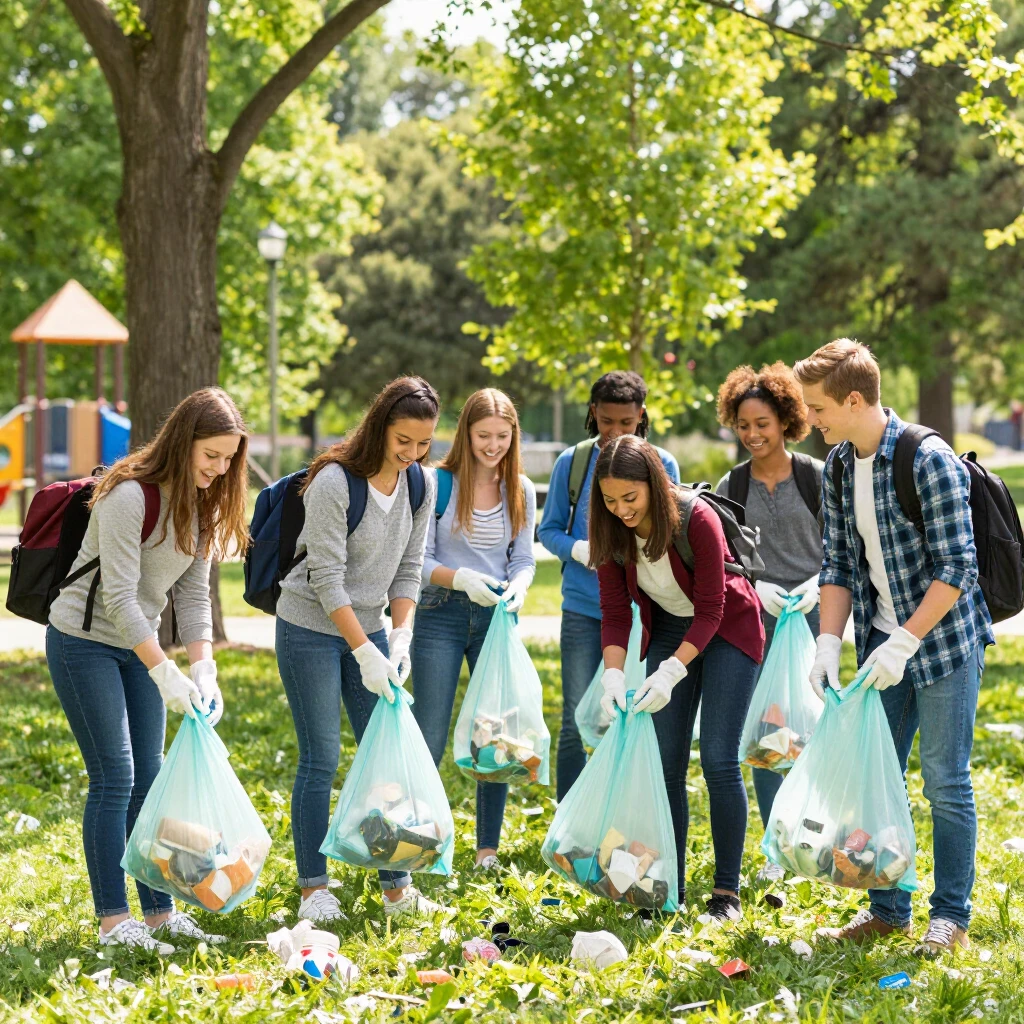
- Environmental Cleanups: Students study ecology then organize park cleanups.
- Tutoring Programs: Pair older students with younger ones for math or reading help.
- Community Gardens: Learn about nutrition while growing food for those in need.
- Awareness Campaigns: Research social issues and create posters or events.
- Tech Workshops: Teach seniors how to use smartphones or computers.
These ideas tie back to school subjects, making learning stick.
| Project Idea | Skills Developed | Community Impact |
|---|---|---|
| Park Cleanup | Teamwork, Environmental Awareness | Cleaner Public Spaces |
| Tutoring Kids | Communication, Patience | Improved Education for Youth |
| Garden Project | Science, Responsibility | Fresh Food for Families |
| Awareness Drive | Research, Public Speaking | Raised Issue Visibility |
| Tech Help for Seniors | Technical Skills, Empathy | Reduced Digital Divide |

Securing Service Learning Grants and Funding
Money can be a barrier, but service learning grants and funding are out there. Start by looking at government and school programs.
For example, the Food and Agriculture Service Learning Program from USDA supports projects that teach kids about food and health through hands-on work.
In my experience, writing a strong grant proposal is key. Focus on how the project benefits students and the community. Include clear goals and a budget.
Other sources include university funds or state education departments. Check sites like Grants.gov for open opportunities.
Tips for Applying
- Research Options: Find grants that match your project.
- Build a Team: Involve teachers, students, and partners.
- Show Impact: Use data to explain why your idea matters.
- Follow Guidelines: Submit on time with all required info.
With these, you can fund great service learning initiatives.
Overcoming Common Challenges
Not everything goes smoothly. Students might lack time or interest at first.
Address this by making volunteer work flexible. Offer short commitments or group activities.
Transportation can be an issue. Partner with schools for buses or carpool options.
From what I've observed, reflection helps. Have students journal about their experiences to see the value.
Safety is crucial. Always vet organizations and provide guidelines.

Wrapping It Up
Engaging students in volunteer work through best practices and service learning builds brighter futures. It fosters skills, empathy, and community spirit. Start small, seek funding, and watch the positive changes unfold.