Get Involved: Environmental Advocacy Volunteer Activities That Make a Difference
Discover how you can contribute to environmental protection through volunteer activities. Learn about different types of advocacy, benefits of volunteering, and how to get started.
3 min read
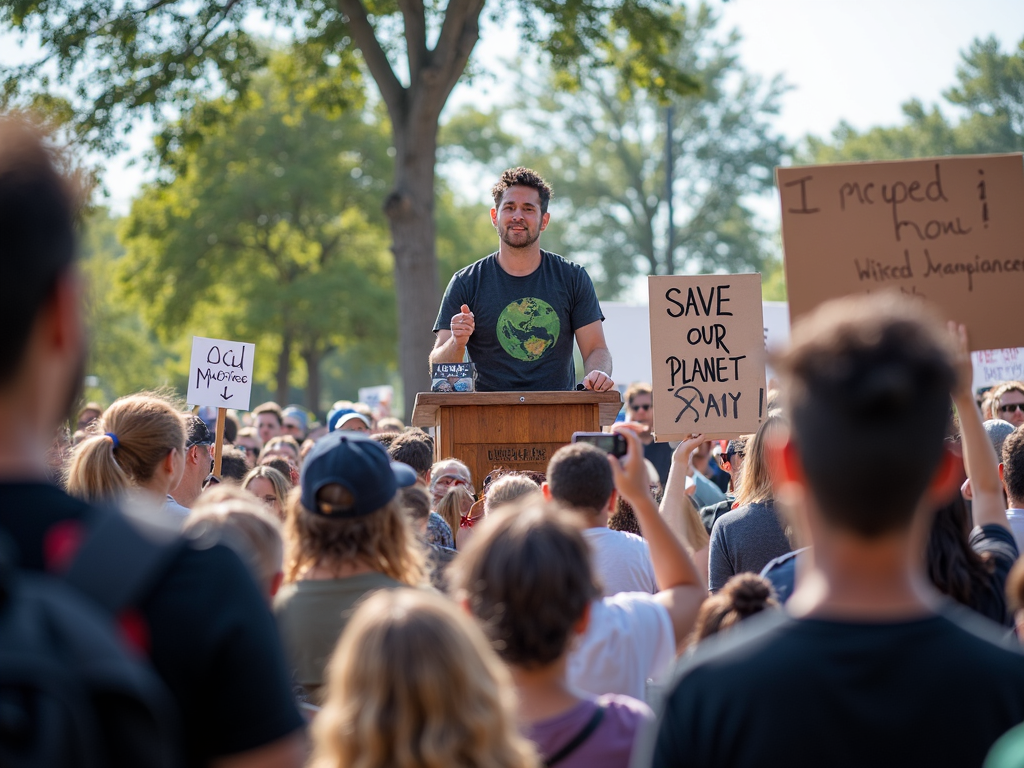
Overview
Environmental advocacy volunteer activities are key to safeguarding our planet. Volunteers organize clean-ups, push for policy changes, and educate others, driving sustainability and conservation efforts forward.
What is Environmental Advocacy?
Environmental advocacy means standing up for nature. It’s about raising awareness of problems like pollution or climate change and encouraging action through policy or lifestyle changes. Volunteers make this happen by giving their time and energy to create a healthier world.
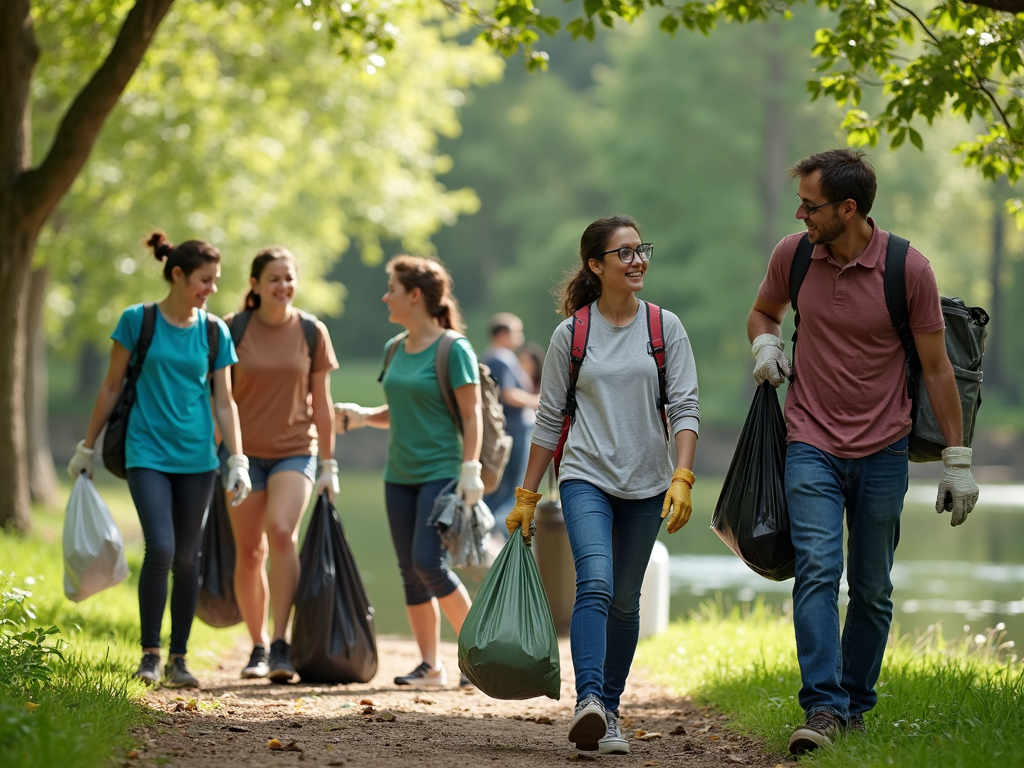
Types of Volunteer Activities
Volunteering for environmental advocacy comes in many forms. Each type lets you help the planet in a unique way. Here’s a look at some popular options:
Community Clean-Ups
Cleaning up local areas is a simple yet powerful way to volunteer. People gather at beaches, parks, or streets to pick up trash and recyclables. It’s hands-on and makes a visible difference fast.
Take the Ocean Conservancy’s International Coastal Cleanup. Volunteers have removed over 350 million pounds of trash from coastlines since 1986!
Educational Outreach
Teaching others about environmental issues is another big way to help. Volunteers set up booths, give talks, or visit schools to share tips on recycling or saving energy. Knowledge spreads change.
The National Environmental Education Foundation found that education efforts boost public action on sustainability by 25%.

Lobbying and Campaigning
Volunteers can push for laws that protect the environment. This might mean writing to lawmakers, joining rallies, or signing petitions. It’s about making leaders listen.
The Sierra Club credits volunteer efforts for helping pass the Clean Air Act, cutting U.S. air pollution dramatically since 1970.
Fundraising
Raising money keeps environmental projects alive. Volunteers host events like walks or bake sales to fund groups fighting for nature. Every dollar counts.
The World Wildlife Fund uses these funds to protect endangered species worldwide, thanks to volunteer support.
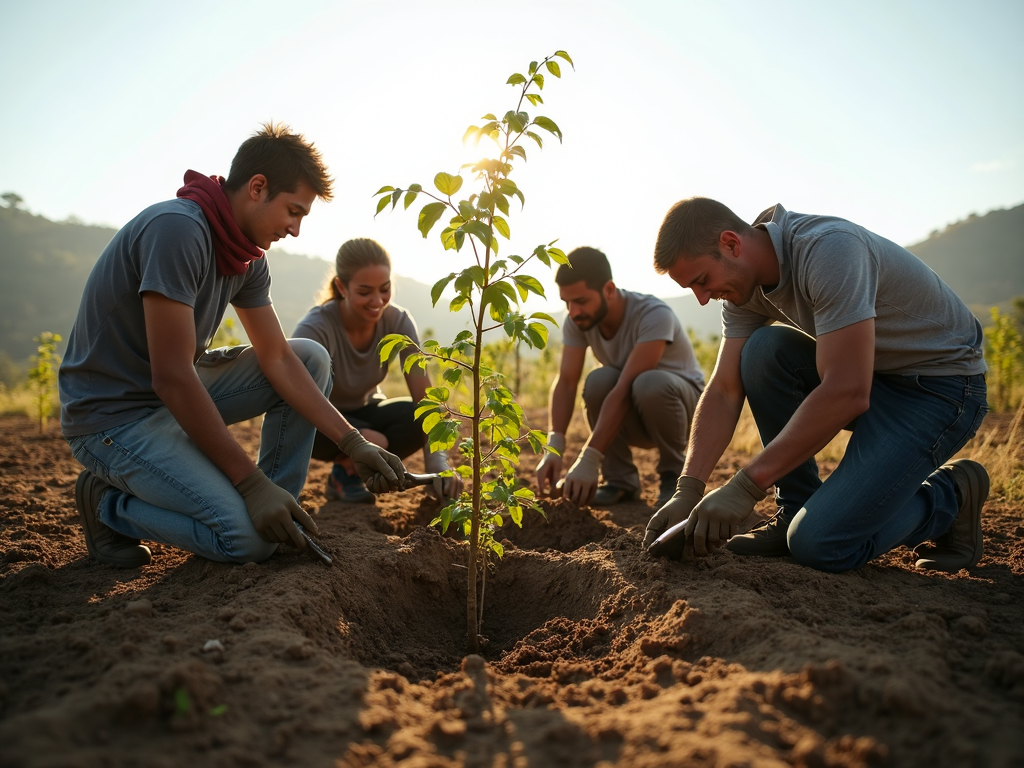
Conservation Projects
Some volunteers get their hands dirty in nature. They plant trees, rebuild habitats, or track wildlife. These efforts heal ecosystems one step at a time.
Groups like The Nature Conservancy offer chances to join projects that save forests and rivers.
Why I Started Volunteering
I’ll never forget my first clean-up. It was a warm day, and we tackled a littered riverbank. After hours of work, we filled ten bags with trash. Seeing the clean water sparkle again felt amazing—it showed me one person can spark change.
Benefits of Volunteering
Volunteering does more than help the earth—it lifts you up too. You meet new friends, learn skills like organizing or public speaking, and feel proud of your impact. It’s a boost for your mind and heart.
Plus, studies show it cuts stress and makes you happier. It’s good for everyone involved.

How to Get Involved
Ready to jump in? It’s simple! Try these steps:
- Join Local Groups: Search for environmental clubs near you.
- Go to Events: Check out clean-ups or talks in your area.
- Sign Up Online: Use VolunteerMatch to find opportunities.
- Start Small: Organize a clean-up with friends if nothing’s nearby.
Tips for Success
Want to make the most of volunteering? Plan ahead—bring water, gloves, or tools if needed. Team up with others for bigger impact. And don’t be shy—share your passion! People join when they see your excitement.
Real Wins from Volunteers
Volunteers have changed the game. In California, a team pushed for a plastic bag ban in 2019, slashing waste. Another group cleaned the Chesapeake Bay, bringing back fish and birds. These stories prove your work matters.
A Day I’ll Always Remember
One time, I joined a tree-planting day. We planted 50 saplings in a bare field. Months later, I saw green shoots popping up. Knowing I helped that forest grow still gives me chills.
Conclusion
Environmental advocacy volunteer activities are a lifeline for our planet. You can clean up, teach, or fight for laws—every bit helps. Take that first step today. Your actions can shape a greener tomorrow.