Empowering Change: A Guide to Environmental Advocacy Volunteer Activities
Discover the world of environmental advocacy volunteer activities. From tree planting to policy campaigns, learn how to make a difference with actionable insights, personal experiences, and practical tips for getting involved in environmental causes.
4 min read
Overview
Environmental advocacy volunteer activities are a powerful way to protect our planet. Whether you're planting trees, cleaning up beaches, or pushing for policy changes, volunteering lets you make a real impact. This guide explores how to get involved, shares personal insights, and offers practical tips for meaningful action.
Why Environmental Advocacy Matters
Our planet faces challenges like climate change, deforestation, and pollution. Advocacy goes beyond awareness—it’s about taking action to create change. Volunteers play a key role by supporting initiatives that protect ecosystems and promote sustainability. From local cleanups to global campaigns, every effort counts.
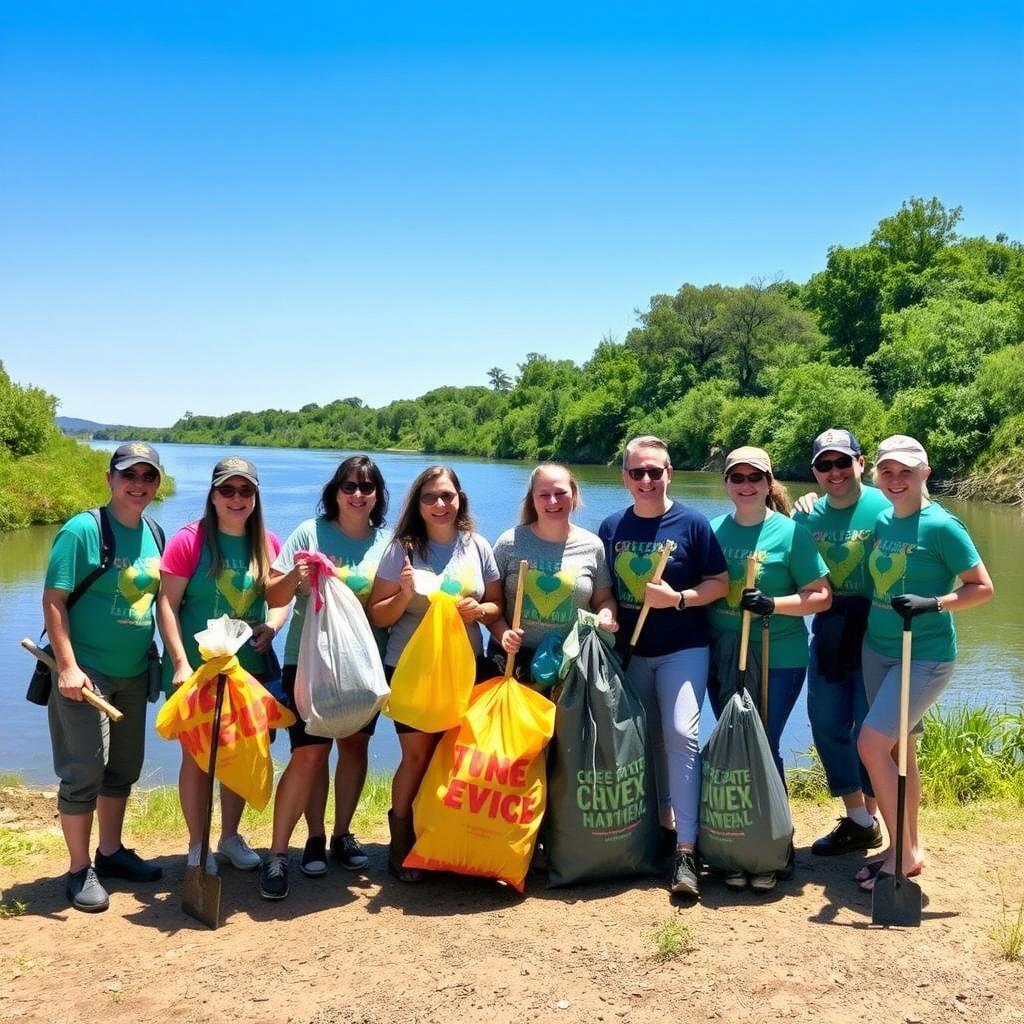
I’ve seen this firsthand. A few years ago, I joined a community cleanup at a local river. Watching the water transform from littered to clean was rewarding. It showed me that small actions, when done together, can lead to big results.
Types of Environmental Advocacy Volunteer Activities
There’s a wide range of ways to get involved. Here are some popular options:
- Community Cleanups: Volunteers remove trash from parks, beaches, or rivers. These events are beginner-friendly and have an immediate impact.
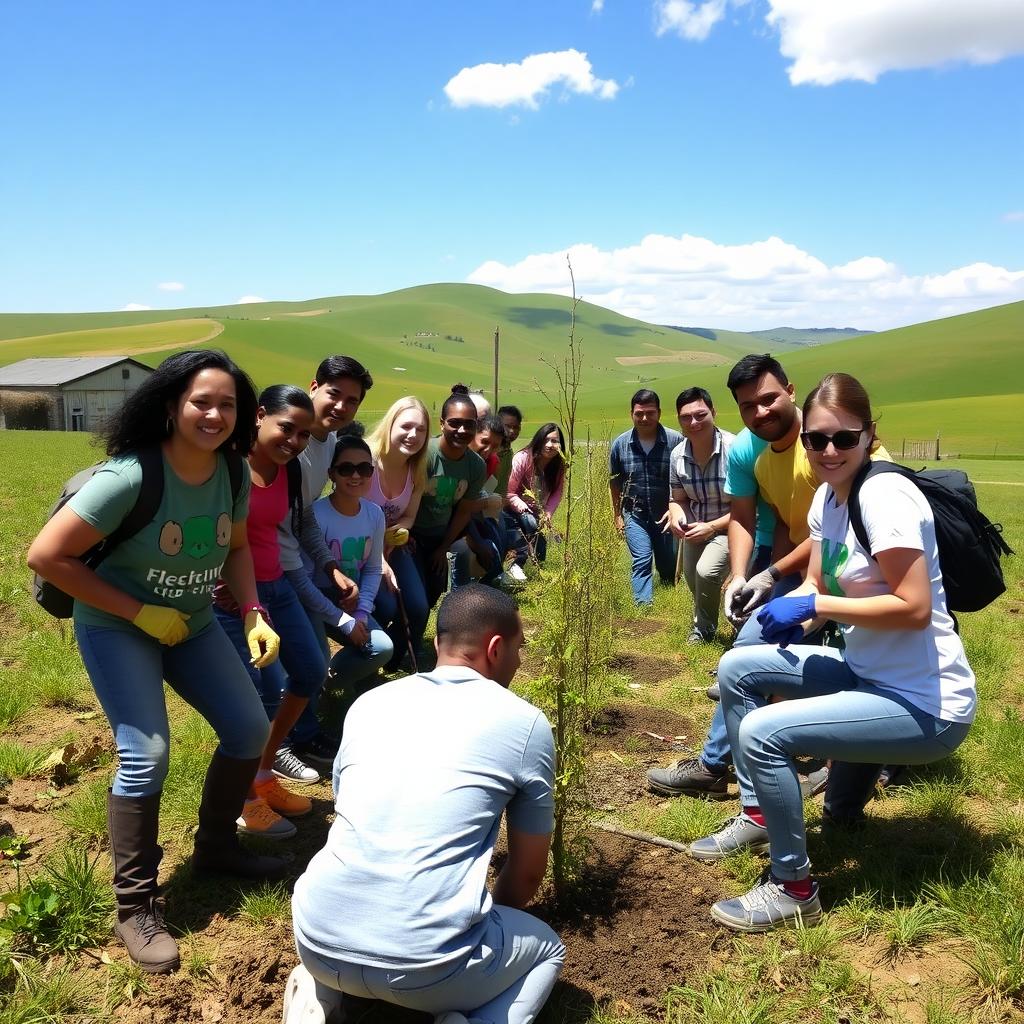
- Tree Planting: Planting trees helps combat climate change by absorbing carbon dioxide. It’s also a fun group activity.
- Policy Advocacy: Volunteers lobby for stronger environmental laws or attend public hearings to voice concerns.
- Wildlife Conservation: Activities like monitoring local species or restoring habitats protect biodiversity.
- Education Outreach: Volunteers teach communities about recycling, composting, or sustainable practices.
Each activity suits different skills and interests. For example, if you love public speaking, policy advocacy might be your fit. If you prefer hands-on work, try tree planting or cleanups.
Getting Started as a Volunteer
Starting is easier than you think. Here’s a step-by-step guide to jump into environmental advocacy volunteer activities:
- Find Local Organizations: Look for groups like the Sierra Club or local conservation nonprofits. Websites like VolunteerMatch.org can connect you with opportunities.
- Assess Your Skills: Are you good at organizing, writing, or physical tasks? Match your strengths to the right role.
- Attend an Event: Many groups host introductory events or one-day activities. It’s a low-commitment way to start.
- Commit to Learning: Understand the environmental issues in your area, like water pollution or urban sprawl, to make your efforts more effective.
- Stay Consistent: Regular volunteering builds stronger impact and community connections.
When I started, I was nervous about joining a group of strangers. But at my first cleanup, everyone was welcoming. We shared stories, laughed, and worked together. It felt like a community, not just a task.

Benefits of Volunteering for Environmental Advocacy
Volunteering isn’t just about helping the planet—it benefits you too. Here’s a quick breakdown:
| Benefit | Description |
|---|---|
| Personal Growth | Gain confidence, leadership skills, and a sense of purpose. |
| Community Building | Meet like-minded people and form lasting connections. |
| Health Benefits | Outdoor activities like cleanups or planting improve physical and mental health. |
| Skill Development | Learn new skills, from public speaking to project management. |
| Environmental Impact | Directly contribute to cleaner ecosystems and sustainable policies. |
I remember feeling stressed before my first tree-planting event. But being outside, digging in the soil, and seeing the saplings take root was calming. It reminded me how connected we are to nature.
Challenges and How to Overcome Them
Volunteering isn’t always easy. Here are common challenges and solutions:
- Time Constraints: Busy schedules can make it hard to commit. Solution: Start with one-time events or flexible roles like online advocacy.
- Feeling Overwhelmed: Environmental issues can seem huge. Solution: Focus on local, tangible actions like reducing plastic waste in your community.
- Lack of Experience: New volunteers may feel unqualified. Solution: Many groups offer training, and enthusiasm is often enough to start.
I once felt discouraged when a policy campaign I supported didn’t pass. But I learned that advocacy is a long game. Small steps, like raising awareness, still move the needle.
Making a Bigger Impact
To amplify your efforts, consider these strategies:
- Join a Campaign: Work with organizations like Greenpeace or the Environmental Defense Fund to support larger initiatives.
- Use Social Media: Share your volunteering experiences online to inspire others. Platforms like X can spread your message fast.
- Advocate for Policy: Write letters to local officials or sign petitions to push for environmental laws.
- Educate Others: Host workshops or talk to friends about sustainable habits like reducing energy use.
I started sharing photos of my volunteer work on social media. To my surprise, friends reached out, wanting to join. It showed me how storytelling can spark change.
Personal Reflections on Advocacy
Volunteering has changed how I see the world. It’s not just about cleaning a beach or planting a tree—it’s about building a future where nature thrives. Every time I volunteer, I feel a mix of hope and responsibility. It’s empowering to know my actions matter, even if they’re small.
One moment stands out: during a wildlife monitoring project, I saw a turtle hatchling make its way to the ocean. Knowing our team helped protect its habitat felt like a victory. These moments keep me going.
Summary
Environmental advocacy volunteer activities offer a meaningful way to protect our planet. From cleanups to policy work, there’s a role for everyone. Start small, find your passion, and stay consistent. Your efforts, combined with others’, can create lasting change. Dive in, connect with your community, and make a difference today.