Essential Skills Needed for Advocacy Volunteering: A Comprehensive Guide
Discover the key skills needed for advocacy volunteering to make a meaningful impact. Learn practical tips, from communication to problem-solving, to excel as a volunteer advocate and drive change.
4 min read
Overview
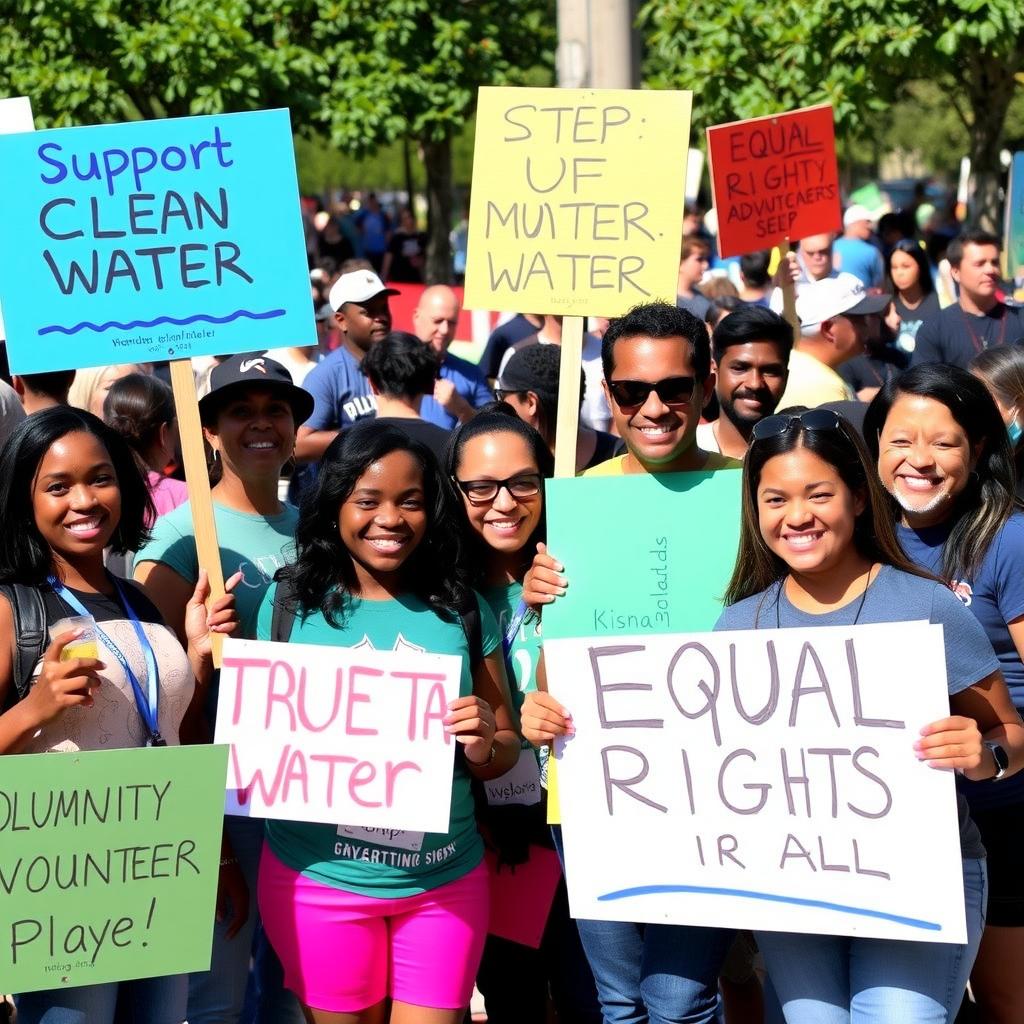
Advocacy volunteering is a powerful way to champion causes you care about, from social justice to environmental protection. It requires a unique blend of skills to influence change effectively. This guide explores the essential skills needed for advocacy volunteering, offering practical insights to help you succeed as a volunteer advocate.
What Is Advocacy Volunteering?
Advocacy volunteering involves speaking up for a cause, influencing policies, or raising awareness to drive change. Unlike traditional volunteering, such as serving meals or tutoring, advocacy focuses on systemic issues. You might lobby for policy changes, organize campaigns, or educate communities. It’s about amplifying voices that might otherwise be ignored.
I’ve seen advocacy volunteers transform communities by rallying support for local initiatives. For example, a group of volunteers I worked with successfully campaigned for safer school zones by presenting data to local officials. Their passion and skills made the difference.
Core Skills Needed for Advocacy Volunteering
To excel in advocacy, you need a mix of soft and hard skills. Below are the most critical ones, based on real-world experience and research.
1. Communication Skills
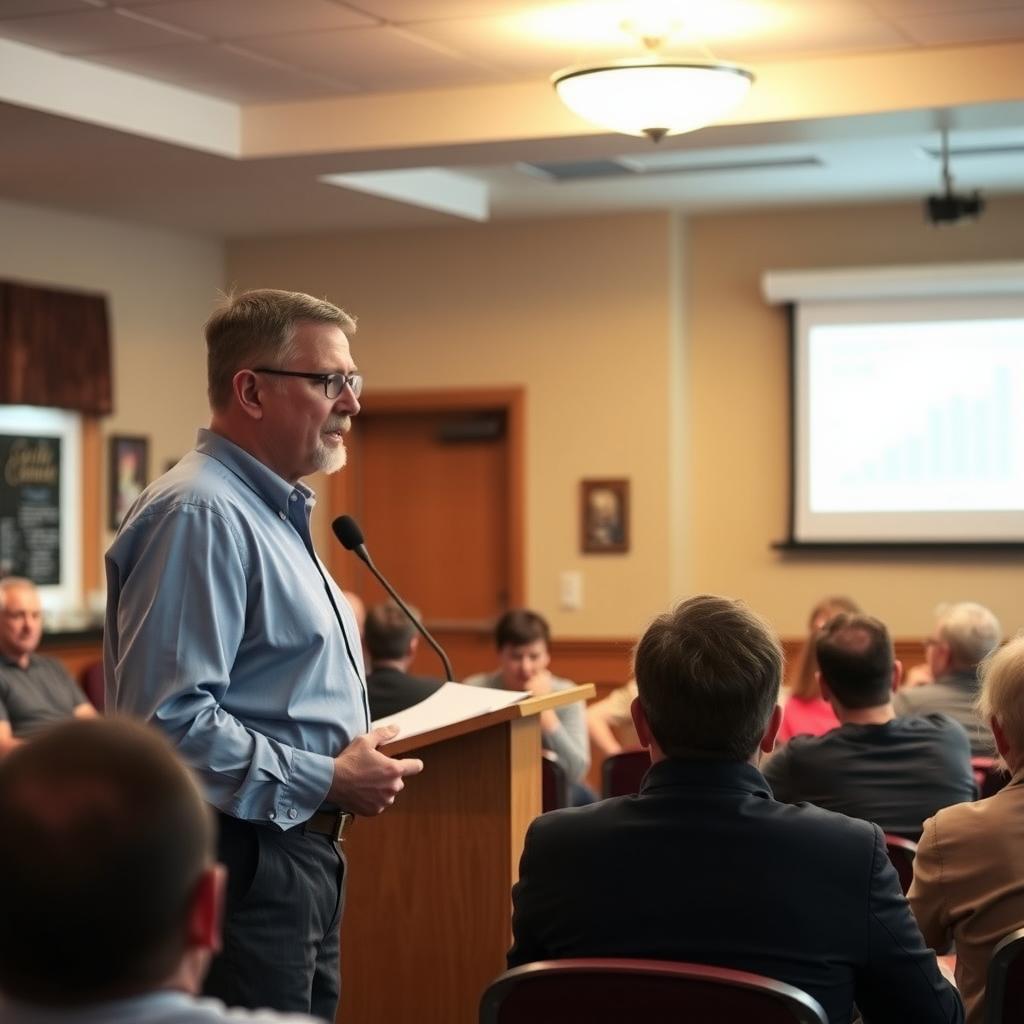
Clear communication is the backbone of advocacy. You need to explain complex issues simply, whether speaking to a crowd, writing a petition, or engaging with policymakers. Active listening is just as important—understanding others’ perspectives builds trust and strengthens your case.
For instance, when I volunteered for a clean water campaign, we had to explain technical water quality data to residents in plain terms. Practicing clear, empathetic communication helped us gain community support. To improve, try joining a public speaking group like Toastmasters to hone your skills.

2. Research and Analytical Skills
Advocacy often requires backing your arguments with facts. Research skills help you gather credible data, while analytical skills let you interpret it to make compelling cases. For example, understanding local laws or statistics can strengthen your advocacy for policy changes.
A volunteer I know used data from the Environmental Protection Agency to advocate for stricter pollution controls. She spent hours analyzing reports to present a clear case to city officials. To build these skills, try online courses from platforms like Coursera or practice summarizing research papers.
3. Emotional Intelligence and Empathy
Advocacy is about people. Emotional intelligence—understanding and managing emotions—helps you connect with those you’re advocating for. Empathy ensures you approach issues with sensitivity, especially when working with marginalized groups.
I recall a volunteer who supported immigrant families. Her ability to listen and show genuine care built trust, encouraging families to share their stories. This strengthened our campaign. Practice empathy by actively listening without judgment and reflecting on others’ experiences.
4. Organizational and Leadership Skills
Advocacy often involves coordinating events, managing teams, or planning campaigns. Strong organizational skills keep everything on track, while leadership inspires others to join your cause. Even small tasks, like scheduling meetings, require attention to detail.
During a voter registration drive, I saw volunteers organize community workshops flawlessly. Their leadership motivated others to participate. To develop these skills, volunteer for roles that involve planning or leading small groups.
5. Adaptability and Problem-Solving
Advocacy work is unpredictable. Policies change, campaigns shift, and challenges arise. Being adaptable and quick to solve problems is crucial. For example, when a planned rally was canceled due to weather, our team quickly pivoted to an online campaign, maintaining momentum.
To improve adaptability, practice staying calm under pressure and brainstorming solutions to unexpected challenges. Volunteering in diverse roles can also build this skill.
How to Develop These Skills
You don’t need to master every skill before starting. Volunteering itself is a great way to grow. Here’s how to build the skills needed for advocacy volunteering:
| Skill | How to Develop It |
|---|---|
| Communication | Join public speaking clubs, practice writing clear emails, or role-play conversations. |
| Research & Analytical | Take online courses, read reputable reports, or volunteer for data-driven projects. |
| Emotional Intelligence | Practice active listening, reflect on others’ perspectives, and seek feedback. |
| Organizational & Leadership | Plan small events, lead a team project, or use tools like Trello for organization. |
| Adaptability | Take on varied volunteer roles or practice problem-solving in group settings. |
Start small. For example, volunteering to write a newsletter for a local nonprofit can sharpen your communication and research skills.
Why These Skills Matter
These skills don’t just help you advocate—they make you a better collaborator, leader, and community member. Advocacy volunteering often leads to personal growth and career benefits. A study from Johns Hopkins University found that volunteering enhances mental well-being and develops transferable skills, like leadership and teamwork, valued by employers.
Challenges and How to Overcome Them
Advocacy volunteering isn’t always easy. You might face resistance, burnout, or complex issues. Here are common challenges and solutions:
- Resistance from Stakeholders: Use empathy and clear communication to address concerns. Present data to back your case.
- Burnout: Set boundaries, take breaks, and focus on small wins to stay motivated.
- Lack of Resources: Leverage free tools like Google Docs or social media to organize and spread your message.
When I faced pushback during a campaign, listening to opponents’ concerns and addressing them calmly turned skeptics into supporters.
Getting Started as an Advocacy Volunteer
Ready to dive in? Start by identifying causes you’re passionate about, like education or climate change. Research local organizations or check platforms like VolunteerMatch to find opportunities. Reach out, express your interest, and ask how you can contribute your skills.
Don’t worry if you feel unprepared. Most organizations offer training, and the skills needed for advocacy volunteering grow with experience. Your passion and willingness to learn are what matter most.
Summary
Advocacy volunteering is a rewarding way to drive change, but it requires key skills like communication, research, empathy, organization, and adaptability. By developing these skills and tackling challenges, you can make a real impact. Start small, stay passionate, and watch your abilities—and influence—grow.