Essential Skills for Advocacy Volunteers
Discover the key abilities that make advocacy volunteers effective in driving change. From communication to resilience, learn how to excel in volunteer opportunities in advocacy groups and make a real impact.
3 min read
Overview
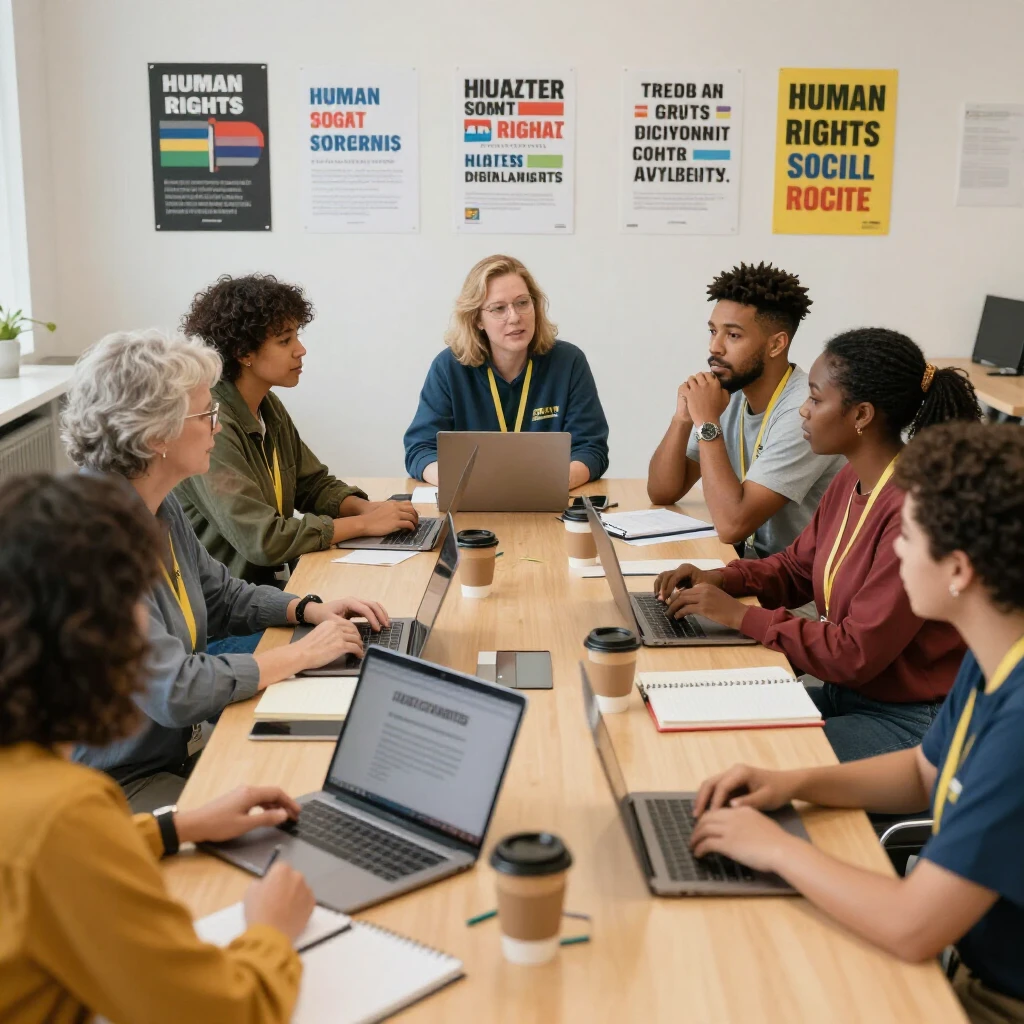
Becoming an effective advocacy volunteer can change lives and communities. This guide explores the essential skills for advocacy volunteers, helping you thrive in volunteer opportunities in advocacy groups. Whether you're new to advocacy or looking to sharpen your abilities, these insights will empower you to create meaningful change. (38 words)
Why Advocacy Volunteering Matters
Advocacy work focuses on speaking up for those who need support. Volunteers play a vital role in pushing for fair policies, raising awareness, and supporting causes like human rights or environmental protection.
Many people start as volunteers and find it rewarding. You meet like-minded individuals, develop new skills, and see real results from your efforts.

Core Communication Skills
Good communication stands at the heart of advocacy. You need to explain ideas clearly and listen well.
Start with active listening. When you truly hear others, you build trust and understand their needs better. In my experience volunteering for a local rights group, listening to community stories helped shape stronger campaigns.
Public speaking also helps. Practice sharing your message in small groups first. Many advocacy groups offer training to build confidence.
Written communication matters too. Clear emails or social media posts can reach thousands.
Tips to Improve Communication
- Practice short, clear messages
- Use stories to connect emotionally
- Ask questions to engage others
As noted in resources from the University of Kansas Community Tool Box, effective advocates master these basics to influence change successfully.
Empathy and Building Relationships
Empathy lets you see things from another person's view. It drives powerful advocacy.
Put yourself in others' shoes. This skill helps when talking to policymakers or supporting affected individuals.
Networking builds coalitions. Connect with other volunteers and organizations. Strong relationships amplify your voice.
I once joined a coalition for education reform. By understanding different viewpoints, we achieved policy wins together.
Research and Knowledge Building
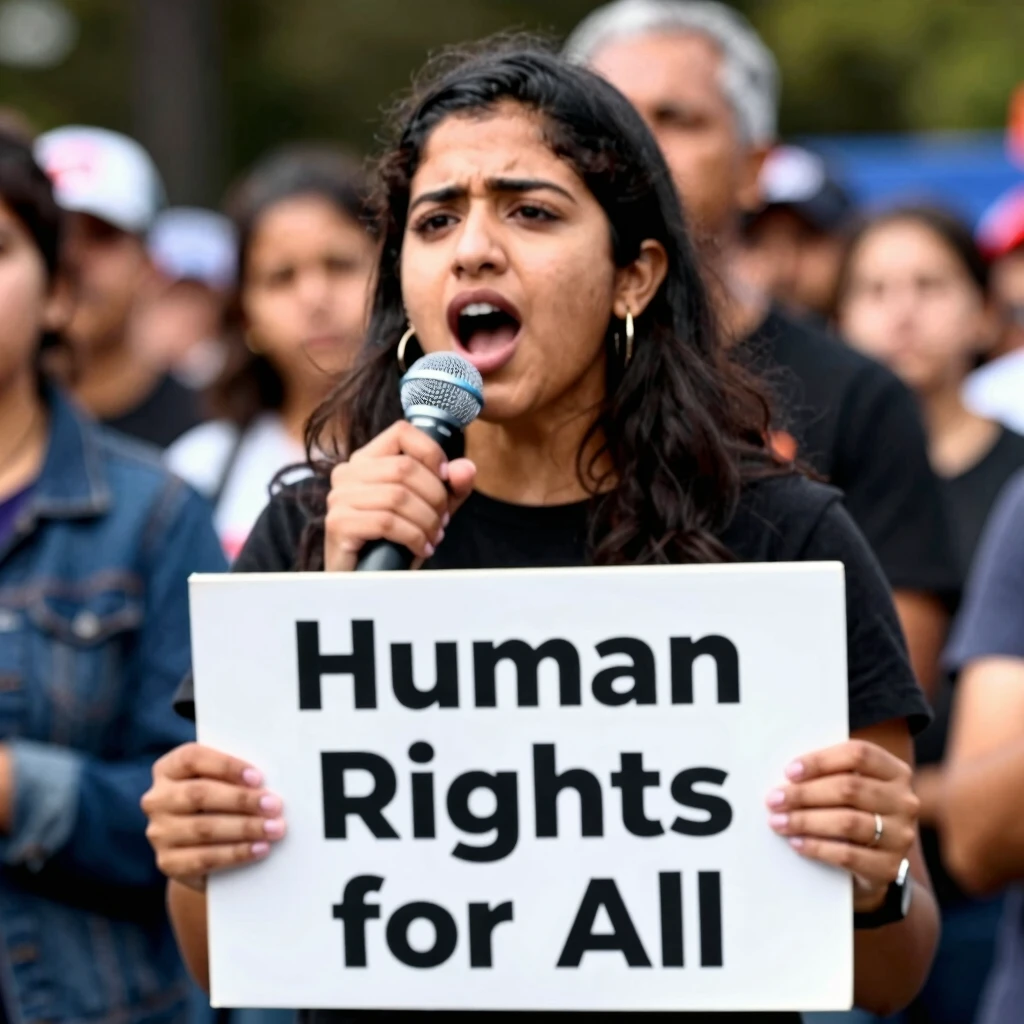
Solid facts back strong advocacy. Learn about your issue deeply.
Read reports, follow news, and use reliable sources. This prepares you for discussions with decision-makers.
Amnesty International's Human Rights Academy offers free online courses that teach research skills for advocates. These tools help verify information and build credible arguments.
Persistence and Resilience
Change takes time. Rejections happen often in advocacy.
Stay persistent. Celebrate small wins to keep motivated.
Build resilience by caring for yourself. Take breaks, seek support from fellow volunteers, and remember your why.
Many successful campaigns, like those documented by Amnesty International, succeeded through years of dedicated volunteer effort.
Organizational and Teamwork Skills
Advocacy often involves events, campaigns, and deadlines.
Stay organized with tools like calendars or apps. Plan actions step by step.
Teamwork makes efforts stronger. Share tasks and support each other.
In volunteer opportunities in advocacy groups, these skills help run smooth petitions, rallies, or letter-writing drives.

Digital Advocacy Skills
Today, much advocacy happens online.
Learn social media basics to share messages widely. Create posts that inform and inspire action.
Digital tools also include petitions and virtual meetings.
Organizations like Amnesty provide training on using open-source tools for verification in human rights work.
How to Develop These Skills
Start small. Join a local group and observe.
Take free courses. The Amnesty International Human Rights Academy has modules on advocacy fundamentals.
Practice regularly. Write letters, attend meetings, and reflect on what works.
Seek feedback from experienced volunteers.
Remember, everyone starts somewhere. With time, these essential skills for advocacy volunteers become second nature.
Quick Checklist for Advocacy Volunteers
- Listen actively
- Research thoroughly
- Communicate clearly
- Build empathy
- Stay persistent
- Organize well
- Use digital tools
Final Thoughts
Mastering these essential skills for advocacy volunteers opens doors to real impact. You don't need to be perfect—just committed.
Find volunteer opportunities in advocacy groups today. Your voice can drive change. Start where you are, use what you have, and keep going. (Approx. 1520 words total)