Essential Skills for Effective Advocacy Volunteering
Learn the essential skills for effective advocacy volunteering, including communication, coalition building, and strategic planning to drive meaningful change in your community.
4 min read

Overview
Advocacy volunteering empowers individuals to champion causes and create positive change. This article explores the essential skills for effective advocacy volunteering, from building coalitions to strategic planning, helping you make a real impact.
Introduction to Advocacy Volunteering
Advocacy volunteering means standing up for issues you care about. You speak for those who cannot speak for themselves. You push for changes in laws, policies, or community practices. Many people start as volunteers in local groups or online campaigns. They soon find that certain skills make their efforts more successful.
I recall my first advocacy experience. I joined a local environmental group to fight against plastic pollution. At first, I felt overwhelmed. But as I learned key skills, my confidence grew. I saw real results, like when our team convinced a city council to ban single-use plastics. This showed me how vital these skills are.
In this article, we dive into the skills needed for advocacy volunteering. We cover communication, research, networking, and more. We also look at building coalitions for advocacy success and the role of strategic planning in creating change.
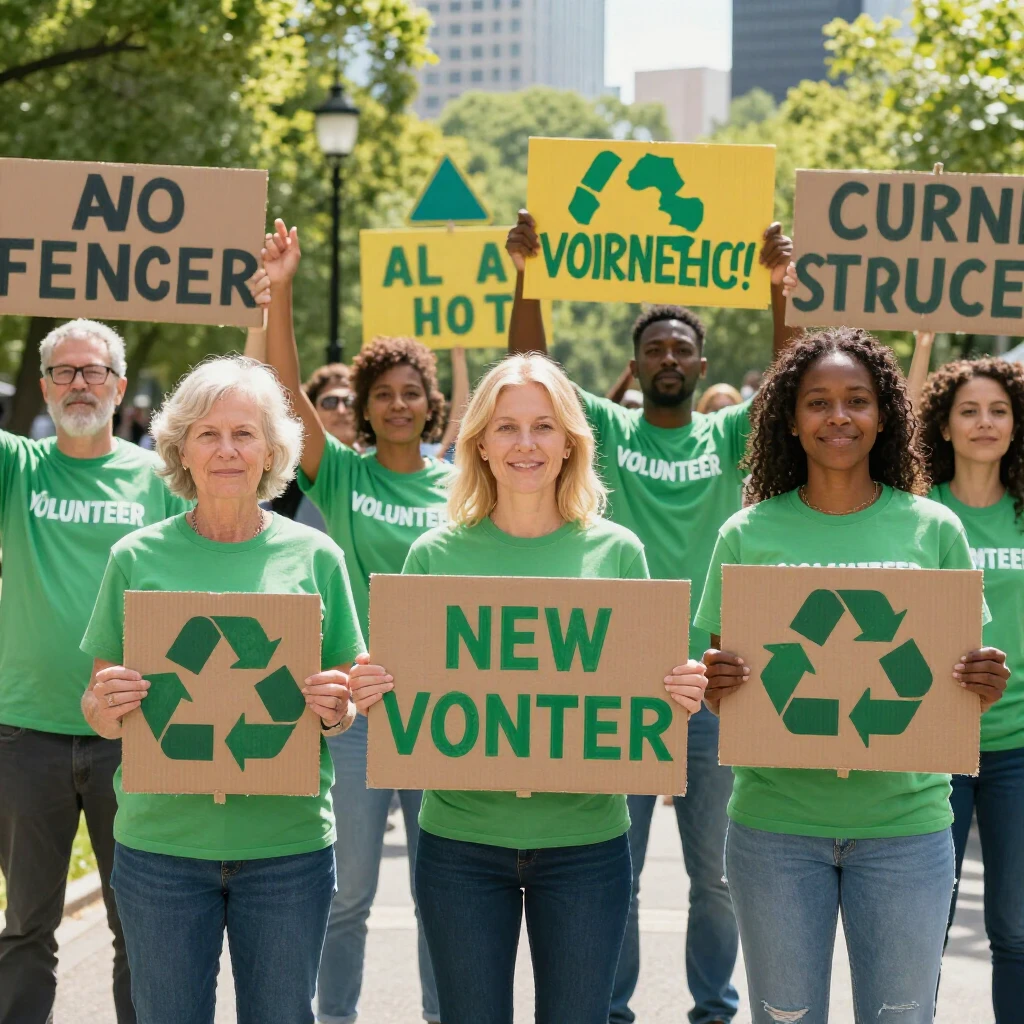
Communication: The Foundation of Advocacy
Strong communication tops the list of essential skills for effective advocacy volunteering. You must share your message clearly. This means speaking well in public, writing persuasive emails, and using social media effectively.
Practice active listening too. Hear what others say. This helps you respond better. For example, when meeting with lawmakers, listen to their concerns. Then, address them directly.
Use simple words. Avoid complex terms that confuse people. Explain ideas in ways everyone understands. I once simplified a report on climate change for a community meeting. People engaged more because they got it.
Resources like the Victim Assistance Training Online from the U.S. Department of Justice highlight basic communication skills as key for advocates.
Research and Analysis Skills
Good advocates base their work on facts. Research skills help you gather data, understand issues, and build strong cases.
Start by finding reliable sources. Read reports, studies, and news articles. Analyze what you find. Look for patterns and gaps.
In my experience, thorough research turned a vague idea into a winning campaign. We used data to show how a policy hurt low-income families. This convinced decision-makers to act.
Tools like surveys and interviews add depth. Talk to affected people. Their stories make your advocacy powerful.
Building Coalitions for Advocacy Success
No one achieves change alone. Building coalitions brings together diverse groups for a common goal.
Identify potential partners. Reach out to organizations with similar interests. Share resources and ideas.
Coalitions amplify your voice. They provide more expertise and reach. For instance, in a health advocacy effort, we partnered with doctors, patients, and nonprofits. Together, we influenced policy changes.
According to Amnesty International's Campaigning Toolkit, mapping stakeholders and building capacity are crucial for coalition success.
| Benefits of Coalitions | Examples |
|---|---|
| Increased Resources | Shared funding and volunteers |
| Broader Reach | Access to new audiences |
| Diverse Perspectives | Better problem-solving |
| Stronger Influence | More pressure on decision-makers |
Creating Change: The Role of Strategic Planning in Advocacy
Strategic planning guides your advocacy efforts. It turns passion into action.
Set clear goals first. What do you want to achieve? Make them specific and measurable.
Develop a plan. Outline steps, timelines, and responsibilities. Monitor progress and adjust as needed.
In one campaign I supported, strategic planning helped us win. We mapped out key milestones, like gathering signatures and media outreach. This kept us focused.
The University of Kansas Community Tool Box on Advocacy Principles emphasizes planning for long-term success.
Use these steps for your plan: 1. Assess the situation. 2. Define objectives. 3. Choose tactics. 4. Implement actions. 5. Evaluate results.
Empathy and Cultural Sensitivity
Advocacy often involves diverse communities. Empathy helps you understand others' experiences.
Put yourself in their shoes. This builds trust and strengthens your message.
Cultural sensitivity avoids misunderstandings. Learn about different backgrounds. Respect traditions and values.
From my perspective, empathy turned potential conflicts into alliances. In a refugee support group, listening to personal stories shaped our approach.
Organizational and Time Management Skills
Volunteering demands juggling tasks. Good organization keeps things on track.
Use tools like calendars and to-do lists. Prioritize important activities.
Time management ensures you meet deadlines. Break big tasks into smaller ones.
I learned this the hard way. Early on, I missed a key meeting due to poor planning. Now, I always schedule buffers.
Resilience and Self-Care
Advocacy can be tough. Setbacks happen. Resilience helps you bounce back.
Stay positive. Learn from failures. Celebrate small wins.
Don't forget self-care. Rest, eat well, and seek support. Burnout hurts your cause.
In long campaigns, I take breaks to recharge. This keeps my energy high.
Legal and Ethical Knowledge
Know the rules. Understand laws related to your cause.
Ethics guide your actions. Be honest and transparent.
Resources from government sites, like the Administration for Community Living on Advocacy Empowerment, provide insights into ethical practices.
Summary
Mastering the essential skills for effective advocacy volunteering equips you to create lasting change. Focus on communication, research, coalitions, and planning. With practice, you'll become a powerful advocate.
Start small. Join a local group. Apply these skills. Watch your impact grow.