Essential Skills Needed for Advocacy Volunteering: Your Guide to Effective Change-Making
Discover the core skills needed for advocacy volunteering, from communication to resilience. This guide offers actionable tips and personal insights to help you make a lasting impact in your community.
3 min read
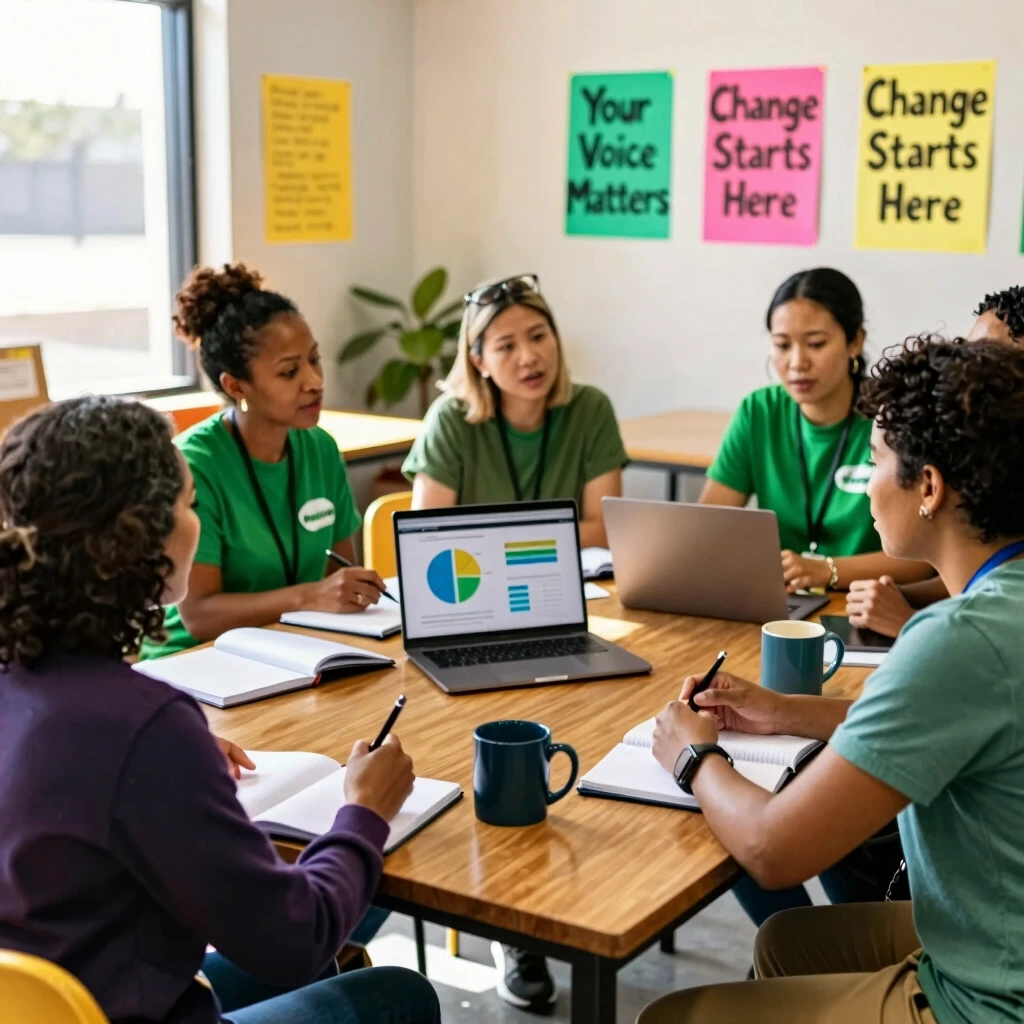
Advocacy volunteering lets you stand up for causes you care about and drive real change. This article dives into the skills needed for advocacy volunteering, sharing practical advice and stories to help you get started. Whether you're new or experienced, these tools will boost your impact.
I've spent years volunteering for environmental causes, knocking on doors and speaking at town halls. What surprised me most? It's not just passion that matters—it's the skills you bring. Let's explore the key ones.

What Is Advocacy Volunteering?
Advocacy volunteering means using your time to support and promote specific issues. You might lobby lawmakers, organize events, or educate others. It's about giving voice to those who need it most.
In my first role, I helped advocate for better access to mental health services. We wrote letters, held workshops, and met with officials. It felt overwhelming at first, but building the right skills made it rewarding.
Why These Skills Matter
Strong skills turn good intentions into real results. They help you connect with people, stay organized, and bounce back from setbacks. Without them, even the best ideas can fizzle out.
Research shows that skilled volunteers lead more successful campaigns. For example, groups with trained advocates see higher policy changes, according to the Community Tool Box.
1. Communication Skills
Clear communication is the backbone of advocacy. You need to share your message in ways that inspire action.
Think about public speaking, writing emails to leaders, or chatting one-on-one. Tailor your words to your audience—use stories for the public, facts for officials.
Here's a quick list of ways to sharpen this skill:
- Practice with Toastmasters or local debate clubs.
- Write blog posts on your cause.
- Record yourself speaking and review it.
Once, I stumbled through a speech at a rally. Nerves got me, but I practiced more. Next time, the crowd cheered. That boost? Priceless.

2. Empathy and Active Listening
Empathy lets you understand others' struggles. It's not just feeling bad—it's using that to guide your work.
Listen without interrupting. Ask questions like, 'How does this affect your daily life?' This builds trust and uncovers real needs.
In advocacy, empathy turns supporters into allies. I once sat with a family facing housing issues. Their story shaped our campaign—and we won better protections.
| Empathy Tip | How to Practice |
|---|---|
| Shadow someone in need | Spend a day observing challenges firsthand |
| Read personal accounts | Dive into books or forums by affected people |
| Role-play scenarios | Act out conversations with a partner |
3. Research and Analytical Skills
Good advocacy rests on facts. Research helps you build strong cases that no one can ignore.
Start with reliable sources: government reports, studies from nonprofits. Analyze data to spot trends and gaps.
Don't just collect info—use it. Create infographics or reports to share findings. Tools like Google Scholar or local libraries are your friends.
During my environmental push, digging into pollution stats convinced a skeptical council member. Facts won the day.
4. Organizational Skills
Advocacy involves juggling tasks: events, follow-ups, teams. Stay on top to keep momentum.
Use calendars, to-do lists, or apps like Trello. Set goals and deadlines to avoid burnout.
- Break big projects into small steps.
- Delegate when possible—trust your team.
- Review progress weekly.
I learned this the hard way after missing a filing deadline. Now, I color-code my planner. Chaos? Not anymore.
5. Problem-Solving Abilities
Challenges pop up—opposition, funding shortages. Creative thinking gets you through.
Approach issues step-by-step: define the problem, brainstorm solutions, test one, adjust.
For instance, if a petition stalls, try social media boosts or partner with influencers. Flexibility is key.
One campaign hit a wall with low turnout. We pivoted to virtual events—attendance tripled. Problem solved.
6. Resilience and Adaptability
Advocacy can drain you. Resilience keeps you going; adaptability helps you shift gears.
Build it with self-care: exercise, talk to friends, celebrate small wins. Remember, progress is rarely linear.
After a bill failed, I felt defeated. A walk in the woods and a chat with a mentor refocused me. We tried again—and passed it.

Putting It All Together
Master these skills needed for advocacy volunteering, and you'll amplify your voice. Start small: pick one skill, practice weekly.
Join a local group or online community. Resources like Volunteer Connection's guide offer more depth.
In summary, advocacy volunteering demands heart and hustle. With communication, empathy, research, organization, problem-solving, and resilience, you can create waves of change. What's your first step?