Essential Volunteer Training for Advocacy Work: Building Confident Change-Makers
Discover how effective volunteer training for advocacy work empowers individuals to drive real change. This guide covers key skills, best practices, and actionable steps to prepare volunteers for successful advocacy efforts.
3 min read

Volunteer training for advocacy work plays a key role in turning passionate people into powerful voices for change. In this guide, we'll explore why it matters and how to do it right. Whether you're new to advocacy or leading a team, these insights will help you get started and make a bigger impact.
Why Volunteer Training Matters in Advocacy
Advocacy means speaking up for causes that need attention, like environmental protection, human rights, or community improvements. Volunteers bring fresh energy to these efforts, but they need the right tools to succeed.
Without proper training, volunteers might feel unsure or say the wrong things. Good training builds their confidence and skills. It helps them share clear messages and handle tough conversations.
From my experience working with volunteer groups, I've seen untrained teams struggle to get heard. But when we invest time in training, those same volunteers become strong advocates who win real results.
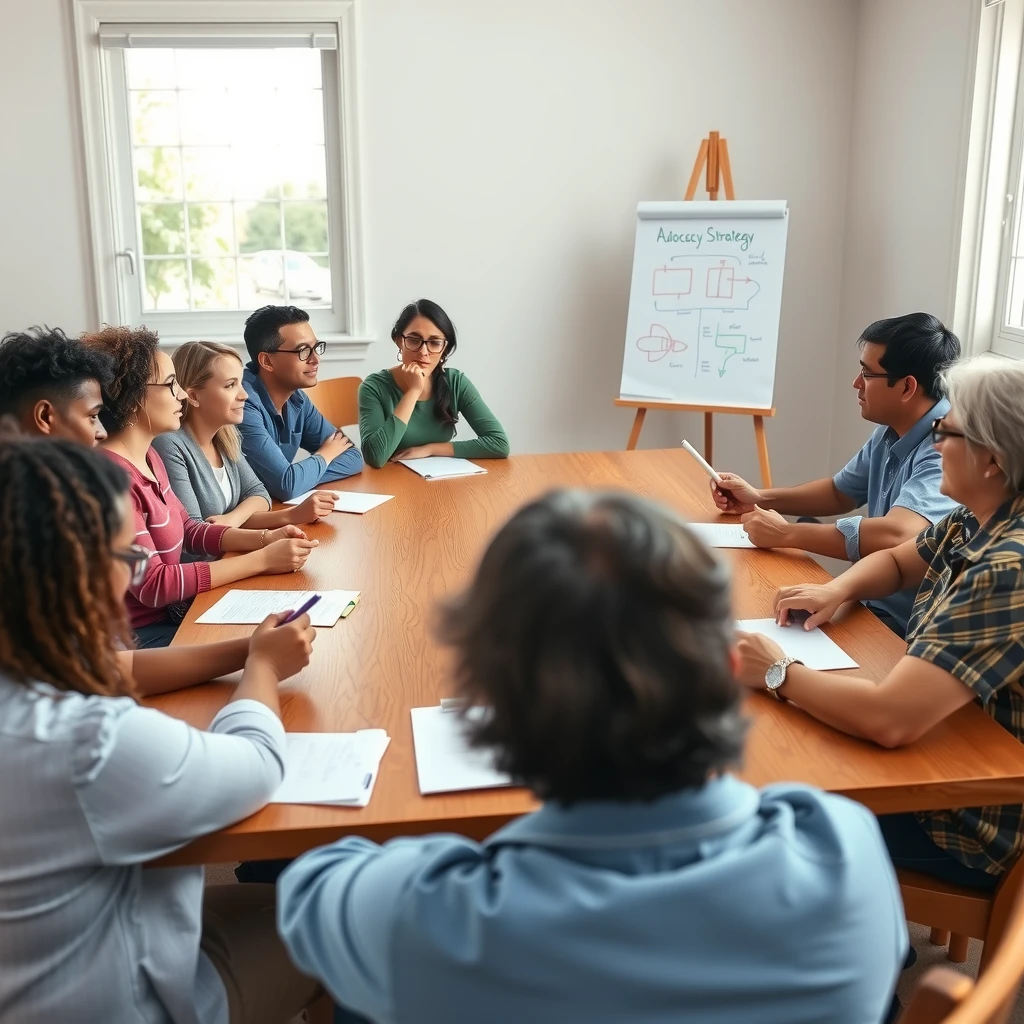
Core Components of Effective Volunteer Training for Advocacy Work
Start with the basics. Every training should cover your organization's mission and the specific issue you're advocating for. Explain why it matters and how change happens.
Next, teach key advocacy skills:
- Communication: How to tell compelling stories and listen actively.
- Public speaking: Tips for speaking at events or meetings.
- Digital tools: Using social media to spread the word.
- Lobbying basics: Meeting with decision-makers politely and effectively.
Include role-playing exercises. Practice scenarios like talking to a policymaker or handling objections. This hands-on approach makes learning stick.
Many organizations, like those using resources from the Advocacy Accelerator, find that short, focused sessions work best for busy volunteers.
Best Practices for Running Training Sessions
Keep sessions interactive and fun. Mix lectures with group activities. Use real examples from past campaigns to show what works.
Offer options: in-person workshops, online modules, or hybrid formats. This way, more volunteers can join.
Provide materials like handouts, talking points, and FAQs. These help volunteers feel prepared when they're out advocating.
Recognize progress. Celebrate when volunteers complete training or take their first action. Small rewards build motivation.

Turning Volunteers into Long-Term Advocates
Training doesn't end after one session. Offer advanced workshops on topics like campaign planning or media interviews.
Encourage peer training. Experienced volunteers can teach newcomers, building community and leadership.
Track impact. Ask for feedback after sessions and measure how trained volunteers perform in real advocacy work.
In one project I led, ongoing training helped retain 80% of our volunteers for over a year. They went from helpers to leaders organizing their own events.
Common Challenges and How to Overcome Them
Volunteers have busy lives, so make training flexible and short. Break it into modules they can complete at their own pace.
Some might feel nervous about advocacy. Start with low-pressure activities to build confidence gradually.
Budget limits? Use free online resources or partner with other groups for joint trainings.
Quick Tips for Success
| Tip | Why It Helps |
|---|---|
| Start with stories | Connects emotionally to the cause |
| Practice real scenarios | Builds practical skills |
| Follow up with support | Keeps momentum going |
| Celebrate wins | Boosts morale and retention |

Measuring the Success of Your Training Program
Look at participation rates, feedback scores, and real outcomes. Do trained volunteers take more actions? Do campaigns gain more support?
Adjust based on what you learn. Great programs evolve over time.
Volunteer training for advocacy work creates lasting change. It empowers everyday people to influence decisions and improve lives. Start small, stay consistent, and watch your volunteers shine.
With the right preparation, any volunteer can become an effective advocate. Invest in training today for a stronger tomorrow.