Evaluating Service Learning Success: A Practical Guide to Measuring Impact
Discover effective ways to evaluate service learning success, from student growth to community benefits. Learn about tools, metrics, funding options like service learning grants and funding, and real-world tips for meaningful volunteer experiences.
3 min read
Quick Overview
Evaluating service learning success matters because it shows if these programs truly help students learn while making a real difference in communities. This guide covers key methods, common metrics, and practical steps to measure outcomes effectively. Whether you're a teacher, student, or organizer, you'll find actionable insights here. (About 1,500 words total)
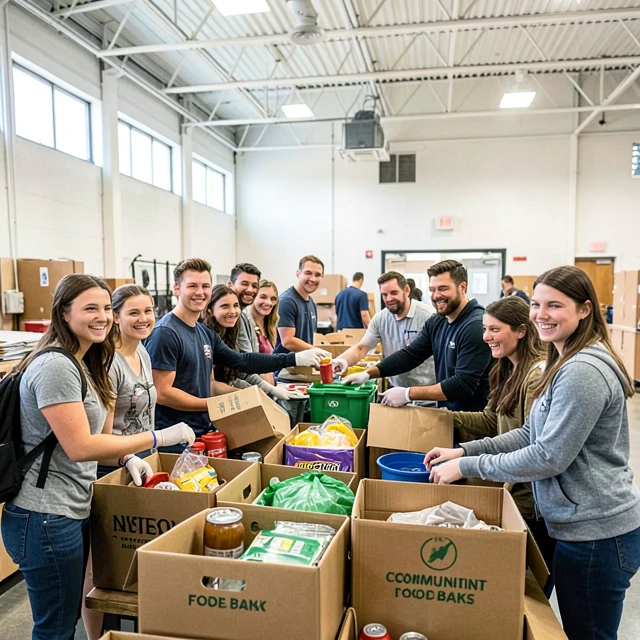
Service learning combines classroom lessons with hands-on volunteer work. Students apply what they learn to solve real problems, like helping at food banks or tutoring kids. But how do you know if it works? Evaluating service learning success helps answer that question clearly.
Many programs look great on paper, but without good evaluation, it's hard to see true results. I've seen projects where students felt inspired, yet the community saw little change. Strong evaluation prevents that gap.
Why Evaluation Matters in Service Learning
Good evaluation proves value to schools, funders, and partners. It helps improve future projects. When you measure success, you spot what works and what needs fixing.
For example, one school I know tracked student reflections before and after a project. They found bigger gains in empathy when students worked directly with people instead of just collecting items.
Evaluation also supports service learning grants and funding. Funders want proof of impact. Clear data makes your application stronger. Sources like federal programs, state grants (such as California Serves), or university mini-grants often require evaluation plans.
Key Areas to Measure
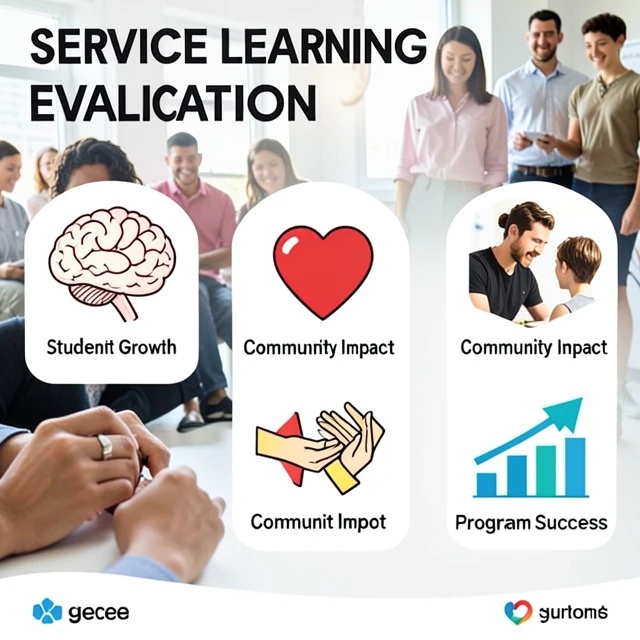
Focus on three main areas when evaluating service learning success:
- Student Learning Outcomes
- Academic skills
- Critical thinking
-
Personal growth
-
Civic and Social Development
- Empathy
- Sense of responsibility
-
Long-term volunteer habits
-
Community Impact
- Needs met
- Partner satisfaction
- Lasting benefits
Use this simple table to guide your planning:
| Area | Example Metrics | Tools to Measure |
|---|---|---|
| Student Learning | Improved grades, deeper understanding | Pre/post tests, rubrics, journals |
| Civic Development | Increased empathy, civic engagement | Surveys, reflection essays |
| Community Impact | Hours served, resources provided | Partner feedback, impact logs |

Practical Methods for Evaluation
Start early. Build assessment into the program from day one.
-
Reflections: Students write or discuss what they learned. Prompt questions like 'How did this change your view?' or 'What skills did you use?'
-
Surveys and Questionnaires: Use pre- and post-program surveys. Tools like the Service-Learning Outcomes Measurement Scale help track changes in attitudes.
-
Rubrics: Grade reflections or presentations with clear criteria. This keeps things fair and focused.
-
Partner Feedback: Ask community partners how the project helped. Simple forms or interviews work well.
-
Quantitative Data: Track volunteer hours, items collected, or people served. Combine with stories for full picture.
In my experience, mixing methods gives the best results. Numbers show scale, while stories show depth. One group measured a tutoring program by test score improvements (quantitative) plus student confidence stories (qualitative). The combo convinced funders to renew support.
Challenges and How to Overcome Them
Common issues include:
- Lack of time
- Bias in self-reports
- Hard-to-measure outcomes like empathy
Solutions:
- Keep tools short and simple
- Use anonymous surveys
- Compare multiple data sources
Start small if you're new to evaluation. Focus on one or two outcomes first.
Funding and Sustainability
Strong evaluation attracts service learning grants and funding. Look at:
- Federal sources via Grants.gov
- State programs for K-12 or higher ed
- University or foundation mini-grants
Write evaluation into grant proposals. Show how you'll measure success and improve. This builds trust and increases chances of approval.
Many successful programs use data to secure ongoing support. One community college I worked with shared impact reports yearly. It helped them win repeated funding for volunteer projects.
Tips for Long-Term Success
- Involve students in evaluation design
- Share results with everyone involved
- Use findings to refine programs
- Celebrate wins to motivate participants
Remember, service learning thrives when everyone sees real value. Good evaluation makes that visible.
Final Thoughts
Evaluating service learning success takes effort, but it pays off. You gain better programs, happier students, stronger communities, and more funding opportunities. Start with clear goals, use mixed methods, and listen to feedback. Your next project will be stronger for it.