Feeding America - Volunteer to Fight Hunger: Make a Real Difference Today
Discover how you can join Feeding America volunteers in the fight against hunger. Learn the benefits, get started with our beginner's guide, and explore practical tips to maximize your impact.
4 min read
Hunger affects millions of people across the United States every day. Feeding America leads the charge to change that through a network of food banks and dedicated volunteers. By choosing to volunteer with Feeding America, you become part of a powerful movement that distributes billions of meals each year to neighbors in need.
Overview: Joining the Fight Against Hunger
Feeding America connects people who want to help with local food banks that rescue and distribute nutritious food. Last year, volunteers across the network helped provide 5.9 billion meals. Whether you have a few hours a month or want to commit regularly, your time makes a direct impact on families facing food insecurity.
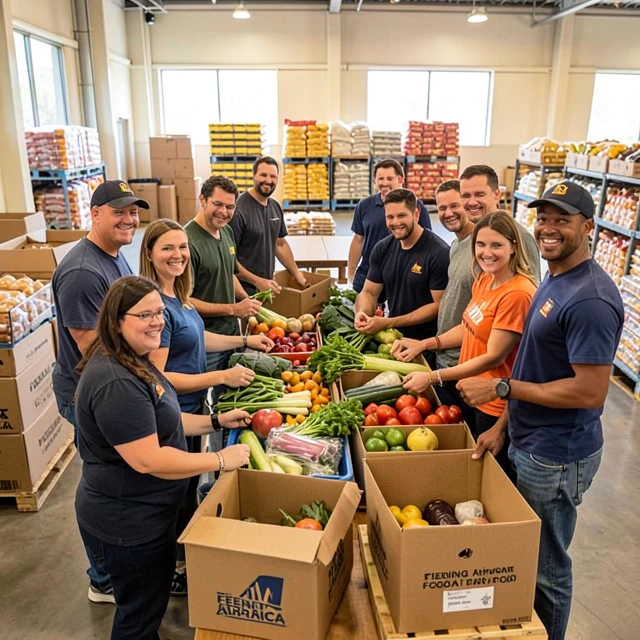
Volunteering is more than just helping others. It creates stronger communities and offers personal rewards too. In this guide, we explore why it matters, how to begin, effective tips, and ways to get involved in advocacy programs for volunteers.
The Benefits of Volunteering: Why It Matters
Giving your time to fight hunger brings real rewards for both the community and yourself. Volunteers often report feeling more connected and purposeful. Research from Stanford Center on Longevity shows that older adults who volunteer enjoy lower risk of hypertension, reduced mortality rates, and better overall life satisfaction.
According to studies highlighted by Harvard T.H. Chan School of Public Health, regular volunteering supports better physical health and longevity while lowering rates of depression and anxiety. These benefits come from the social connections, physical activity, and sense of contribution that volunteering provides.
On a larger scale, your efforts help address food insecurity that impacts over 40 million Americans. Feeding America volunteers play a key role in sorting donations, packing meals, and supporting distributions that reach people who might otherwise go hungry.
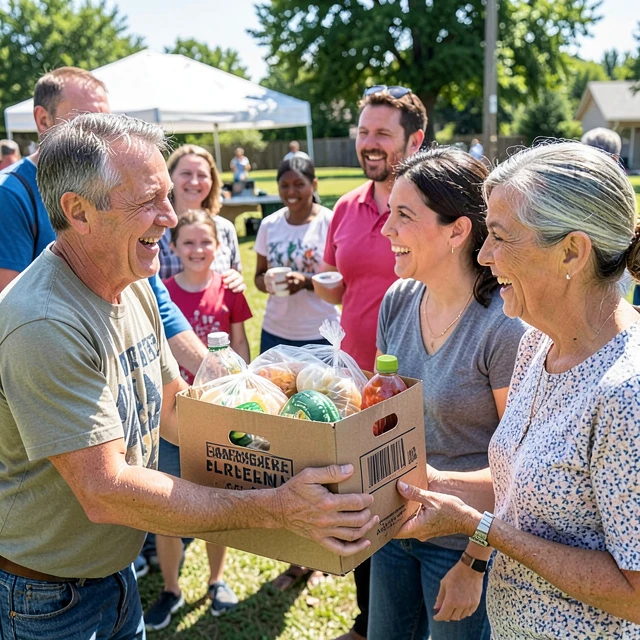
Many volunteers share personal stories of growth. One first-time volunteer described feeling renewed energy after helping at a local pantry: 'Seeing the relief on people's faces reminded me how small actions create big ripples.' These experiences build empathy and strengthen social bonds.
How to Start Volunteering: A Beginner's Guide
Starting with Feeding America is straightforward and welcoming for newcomers. Follow these simple steps to begin your journey:
- Visit the official Feeding America website and use their tool to find a food bank near you.
- Check the local food bank's volunteer page for available shifts.
- Sign up online – most locations require registration but welcome individuals, families, and groups.
- Prepare for your shift by wearing comfortable clothes and closed-toe shoes.
- Show up ready to learn and contribute.
No special skills are needed for most roles. Food banks provide training on the spot. Common beginner tasks include sorting produce, packing boxes, and helping with inventory. Many locations accommodate different ages and abilities, with some allowing children as young as 8 or 10 when accompanied by adults.
Consider your schedule and interests. Short shifts work well for busy people, while longer commitments suit those seeking deeper involvement. Virtual or remote opportunities sometimes exist for advocacy or administrative support.
10 Tips for Effective Volunteering
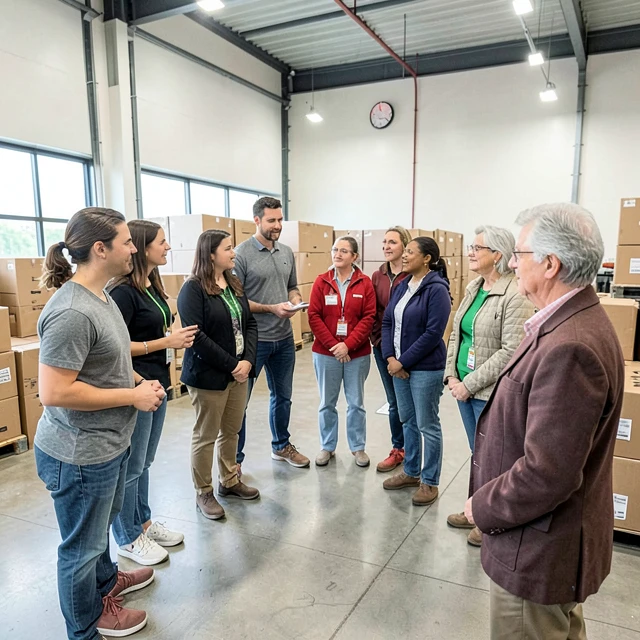
To make the most of your time and contribute meaningfully, keep these practical tips in mind:
- Be reliable: Show up on time and commit to your full shift. Consistency helps food banks plan effectively.
- Stay positive: A friendly attitude brightens the day for everyone involved.
- Ask questions: Don't hesitate to seek clarification to do tasks correctly.
- Work safely: Follow all safety guidelines, especially when lifting or working around equipment.
- Learn about hunger: Use your experience to understand local needs better.
- Bring friends or family: Volunteering together strengthens relationships while multiplying impact.
- Stay hydrated and take breaks: Shifts can be active, so care for your own well-being.
- Follow instructions: Each food bank has specific processes to maximize efficiency.
- Reflect afterward: Think about what you learned and how it felt to help.
- Return regularly: Building a habit creates lasting community connections.
These tips help volunteers feel more confident and effective. Experienced volunteers often note that preparation and openness lead to the most rewarding experiences.
Advocacy Programs for Volunteers
Many Feeding America volunteers go beyond hands-on work to become advocates. Advocacy programs for volunteers include contacting lawmakers about hunger issues, participating in awareness campaigns, and supporting policy changes that improve food access.
You can join efforts to promote better nutrition programs, reduce food waste, or address root causes of hunger like poverty and inequality. Food banks often provide training and easy ways to participate, such as signing petitions or sharing stories on social media.
One volunteer shared how advocacy expanded her impact: 'Sorting food was great, but speaking up for better policies felt even more powerful.' These programs empower everyday people to drive systemic change.
Making Your Volunteering Experience Count
Effective volunteering combines heart with smart action. Track your hours if your food bank offers recognition programs. Many volunteers discover new skills, from teamwork to logistics, that benefit their personal and professional lives.
Remember that every box packed and every meal distributed represents real relief for a family. Your consistent efforts add up to millions of meals over time.
Feeding America and its network welcome people from all backgrounds. Students, professionals, retirees, and families all play important roles. The organization emphasizes equity and respect in all its work.
Summary: Take the First Step Today
Volunteering with Feeding America offers a meaningful way to fight hunger while gaining personal benefits. From sorting donations to advocating for change, there are many paths to contribute. Start small, stay consistent, and watch your impact grow.
Ready to join the movement? Find opportunities near you through Feeding America and experience the difference you can make. Your time and energy help build a hunger-free future for everyone.