Finding the Right Volunteer Role for You: A Guide to Meaningful Impact
Unlock the joy of volunteering by matching your skills and passions to the perfect role. This guide shares practical steps, personal stories, and tips on advocacy volunteer roles and responsibilities to help you start making a difference today.
4 min read

A Quick Overview
Volunteering opens doors to new experiences and deep connections. Finding the right volunteer role for you starts with self-reflection and exploration. Whether you crave hands-on help or passionate advocacy, the perfect fit awaits. In this guide, we dive into steps, stories, and tips—especially on advocacy volunteer roles and responsibilities—to launch your journey. (42 words)
Why Dive into Volunteering?
Picture this: It's a crisp Saturday morning. I lace up my sneakers and head to a local shelter. As I sort donations, a family shares their story over coffee. That moment? Pure magic. Volunteering isn't just about giving time—it's about gaining perspective.
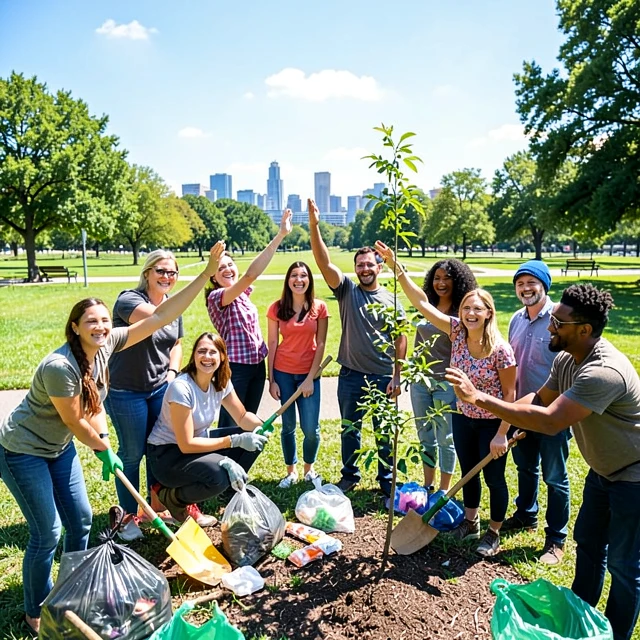
I've volunteered for years, from tutoring kids to leading park cleanups. Each role taught me something new. You build skills, meet friends, and feel that warm glow of purpose. Studies show it boosts happiness and health too. But the key? Pick a role that lights you up.
Start small. Ask yourself: What fires me up? Animals? Education? Environment? Your answer points to the right path. No need for grand gestures—every step counts.
Step 1: Know Yourself First
Before hunting for opportunities, pause and reflect. What are your strengths? What drains you? I once jumped into event planning, thinking it'd be fun. Turns out, I hate spreadsheets. Lesson learned: Match your energy.
Grab a notebook. Jot down: - Skills: Organizing? Listening? Tech savvy? - Passions: Social justice? Health? Arts? - Schedule: Weekends only? Evenings? - Goals: Learn new things? Network? Relax?
This list becomes your compass. It keeps you from burnout and points to joy.

Here's a simple table to guide your self-assessment:
| Category | Questions to Ask | My Answers |
|---|---|---|
| Skills | What am I good at? (e.g., teaching, building) | |
| Interests | What causes move me? (e.g., hunger, equality) | |
| Time | How many hours weekly? | |
| Style | Hands-on or behind-scenes? |
Fill it out. It'll sharpen your search.
Exploring Types of Roles
Volunteer gigs come in all flavors. Hands-on types include soup kitchens or animal shelters—great if you love direct impact. Behind-the-scenes? Think grant writing or social media help.
Then there's advocacy. It pulls at my heart. Advocacy volunteer roles and responsibilities often mean speaking up for change. You might lobby lawmakers, run awareness campaigns, or support folks in need.
From my experience, advocacy builds confidence. I started by writing letters for a housing nonprofit. Soon, I testified at city hall. Scary? Yes. Rewarding? Absolutely.
For deeper dives, check the Substance Abuse and Mental Health Services Administration's guide on successful strategies for recruiting, training, and utilizing volunteers. It stresses matching roles to personal strengths for lasting engagement.
Zooming in on Advocacy
Advocacy isn't for everyone, but if justice calls you, it's transformative. Advocacy volunteer roles and responsibilities vary. You could: - Research policies and draft reports. - Organize rallies or petitions. - Mentor clients through systems. - Track legislation and alert teams.
Expect training—often 20-40 hours. It's crucial for ethics and impact. The National CASA/GAL Association outlines this in their volunteer advocate job description, emphasizing child welfare support.
My first advocacy shift? Helping a refugee family navigate benefits. We celebrated small wins, like approved aid. Those roles demand empathy and grit, but they forge real change.
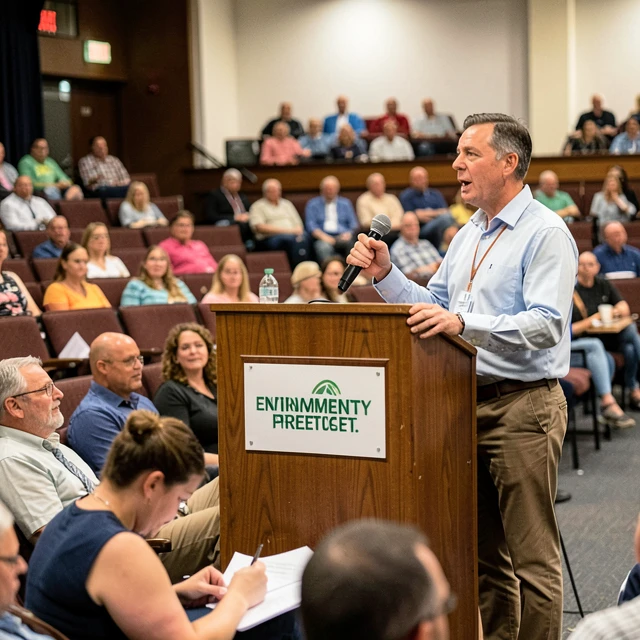
Responsibilities grow with time. Early on, shadow pros. Later, lead projects. Always prioritize confidentiality and respect. Advocacy volunteer roles and responsibilities teach you to amplify voices, not overshadow them.
Pro tip: Start local. City councils need voices. Your input shapes neighborhoods.
How to Find Your Fit
Ready to search? Platforms make it easy. The official Volunteer.gov site lists thousands of U.S. projects—from trails to tutoring. Filter by zip code and interests.
Local spots shine too. Check libraries, churches, or apps like VolunteerMatch. Attend fairs—I've snagged gems there.
Network! Tell friends, "I'm seeking volunteer work in education." Doors open fast.
The Administration for Community Living's study on effective volunteer practices shows tailored recruitment cuts turnover by 30%. Use that intel.
Once you apply, interview like a pro. Share your why. Ask about training and support. A good match feels mutual.
Tips from the Trenches
I've stumbled plenty. Overcommitted? Scale back. Felt mismatched? Pivot gracefully.
- Set boundaries: Say no kindly.
- Track wins: Journal impacts.
- Seek feedback: Grow faster.
- Team up: Buddies ease nerves.
Personal story: During a food drive, rain soaked us. We laughed, adapted, and tripled donations. Flexibility wins.
For advocacy specifically, hone listening. One client taught me: Assumptions block truth. Stay open.
Celebrate milestones. Treat yourself after shifts. Sustainability matters.
Overcoming Hurdles
Doubts creep in. "I'm too busy." Or "What if I mess up?" Normal. Start micro— one hour weekly.
Imposter syndrome hits hard in advocacy. Remember: Organizations train you. You're there to learn and contribute.
If burnout looms, rest. Volunteering thrives on fresh energy.
Wrapping It Up
Finding the right volunteer role for you unlocks purpose and joy. From self-assessments to advocacy volunteer roles and responsibilities, you've got tools now. Take that first step—reach out, sign up, speak up. Your community needs you. The rewards? Endless. Start today, and watch your world expand. (1487 total words)