Finding Volunteer Gigs That Fit Your Life
Explore how to find volunteer gigs that fit into your life by engaging in service learning opportunities in local communities.
4 min read
Volunteer work can be a fulfilling way to give back to your community while also enriching your own life. This article explores how to find service learning opportunities that align with your interests, skills, and schedule, making it easier to integrate volunteering into your daily routine.
Service learning is a special way to combine helping your community with learning something new. It’s defined by the National Service-Learning Clearinghouse as "a teaching and learning strategy that integrates meaningful community service with instruction and reflection to enrich the learning experience, teach civic responsibility, and strengthen communities." When volunteer gigs are set up as service learning, they let you use what you know to solve real problems while picking up new skills and insights along the way.
In our busy lives, finding volunteer gigs that fit your life might feel tough. But with some planning and the right tools, you can find opportunities that match what you love, what you’re good at, and when you’re free. This article will show you how to find and jump into volunteer work that helps your community and makes your life better too.
To get the most out of volunteering, pick opportunities that fit who you are and how you live. Here are some simple steps to find the perfect volunteer gig:
-
Think About What You Like and Can Do: What do you care about? Maybe it’s helping kids learn, keeping the planet green, or making sure everyone has a fair shot. Also, think about your skills—like teaching, planning, or even drawing. Matching these to a volunteer role makes it more fun and useful.
-
Check Online Tools: Websites like VolunteerMatch and Idealist let you search for volunteer jobs by what you’re into and where you are. You can filter by time and cause, so it’s easy to find something that fits.
-
Talk to Local Groups: Call or visit nearby nonprofits, schools, or community centers. They often need help and might have a project that’s just right for you. Plus, you’ll get to know people in your area.
-
Know Your Time: Be honest about how much time you have. Some gigs need you every week, while others are just one day. Pick what works best so you can keep it up without stress.
These steps help you find volunteer work that feels less like a chore and more like a natural part of your life.
Your neighborhood is full of service learning opportunities that can make a big difference. Here are some ideas to get you started:
- Tutoring and Mentoring: Work with kids at schools or community centers, helping them with schoolwork or being a positive influence.
- Environmental Cleanups: Join groups to pick up trash in parks or along beaches, keeping your area clean and healthy.
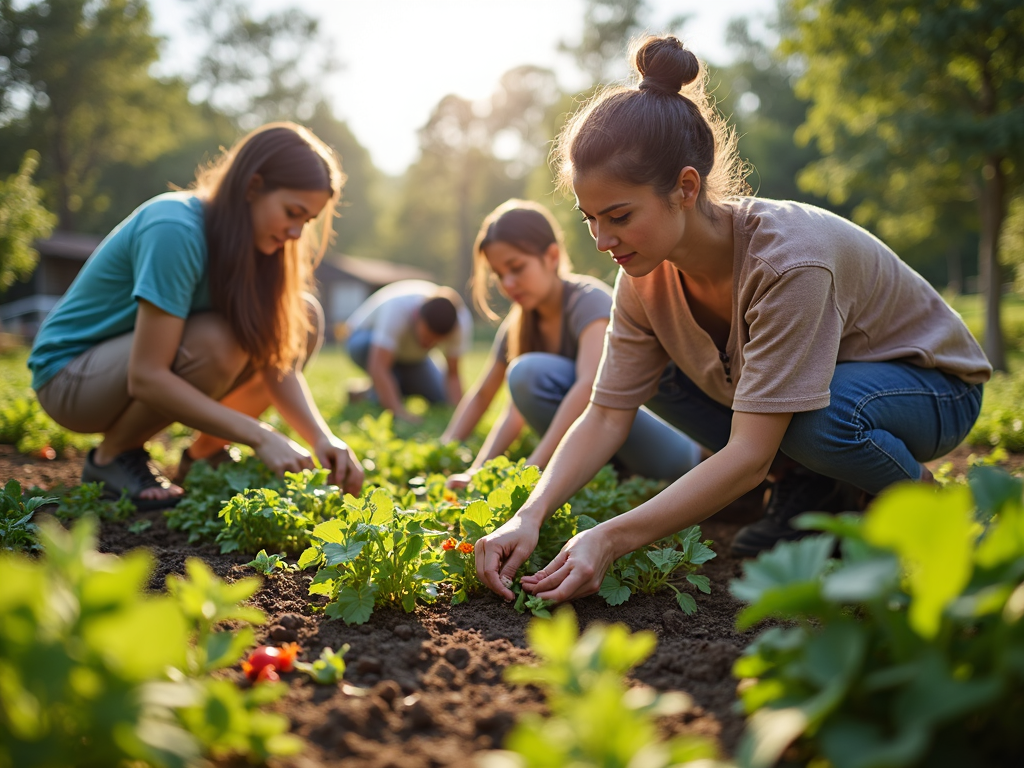
- Community Gardening: Help grow food or flowers in shared gardens, learning about plants and bringing people together.
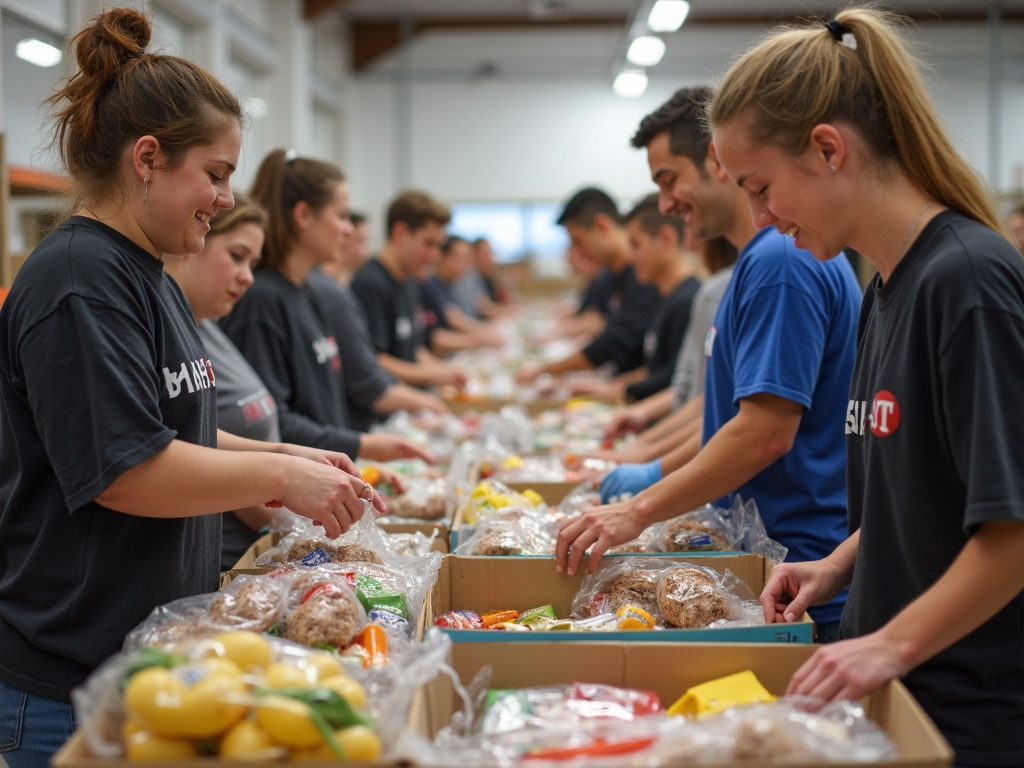
- Food Banks and Soup Kitchens: Sort food, serve meals, or run donation drives to help feed people who need it.
These activities do more than just help out—they teach you things too. Tutoring might make you better at explaining ideas, while gardening could show you how to grow your own food. A study by the Corporation for National and Community Service found that people who do service learning feel more connected to their communities and grow personally from it.
Here’s a quick look at what you might gain from these opportunities:
| Activity | Community Impact | What You Learn |
|---|---|---|
| Tutoring | Better grades for kids | Communication, patience |
| Environmental Cleanup | Cleaner public spaces | Teamwork, eco-awareness |
| Community Gardening | Fresh food, stronger bonds | Gardening, sustainability |
| Food Bank Volunteering | Less hunger in the area | Organization, empathy |
Volunteering through service learning can change how you see the world. Here are two real stories from people who’ve done it:
-
Sarah’s Story: Sarah’s a college student studying the environment. She joined a local group to fix up a wetland near her town. She got muddy, planted native plants, and saw wildlife come back. It wasn’t just about helping nature—it tied right into her classes and made her more excited about her future career.
-
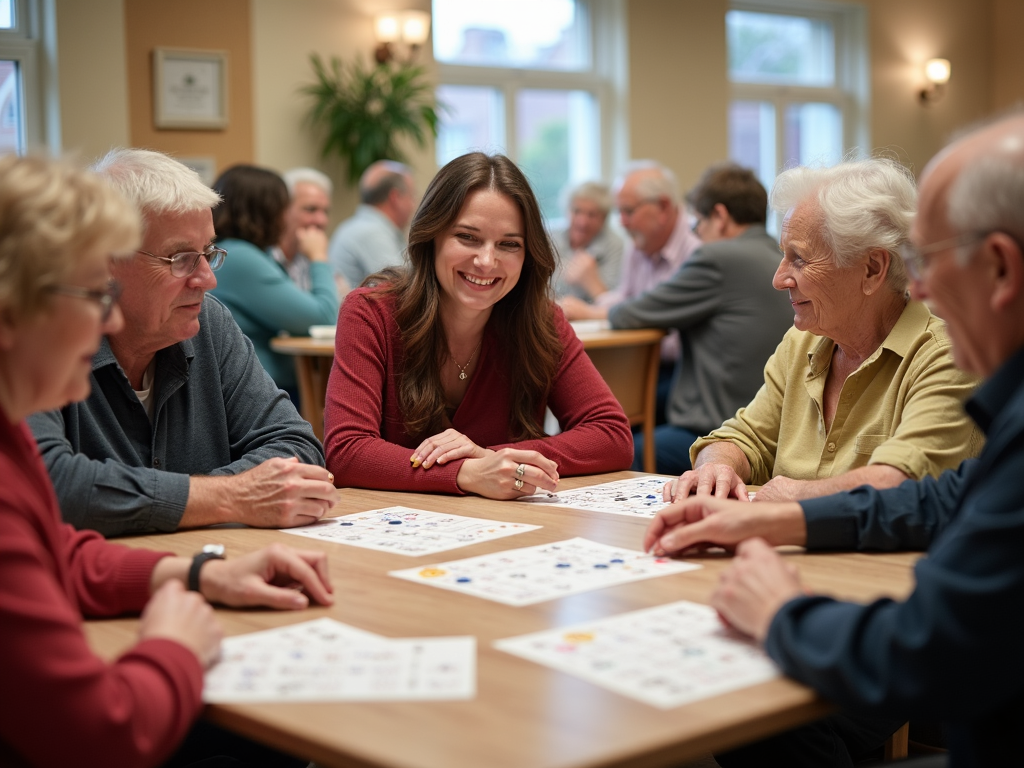
John’s Reflection: John retired and felt a bit lost without his old routine. He started volunteering at a senior center, setting up game nights and chatting with folks. He didn’t expect it, but he made new friends and felt needed again. It gave his days purpose.
These experiences show how volunteering can fit into your life and give back in ways you might not expect. Sarah learned practical skills for her studies, and John found a new spark after retirement. Another volunteer wrote in an AmeriCorps blog about how service learning taught them to lead and care more about their neighbors. It’s not always easy—schedules can clash, or the work can tire you out—but the payoff is worth it.
Finding volunteer gigs that fit your life is totally doable and can be a game-changer. By picking opportunities that match your passions and time, you can help your community and grow yourself. Service learning opportunities in local communities let you make a real impact while picking up skills and stories that stick with you. Whether you’re a student, a worker, or retired, there’s a volunteer gig out there for you.
Recommended Readings
- "The Complete Guide to Service Learning" by Cathryn Berger Kaye
- "Service Learning: A Guide to Planning, Implementing, and Assessing Student Projects" by Sally Berman
- "Volunteering: The Ultimate Teen Guide" by Kathlyn Gay
Read More
- "How to Get Involved in Your Local Community"
- "The Benefits of Volunteering for Personal Growth"
- "Service Learning Projects for Students"
- "Tips for Balancing Volunteer Work with a Busy Schedule"
- "Stories of Impact: Volunteers Making a Difference"