From Passion to Action: A Guide to Volunteer Advocacy
Discover how to turn your passion into action through volunteer advocacy. This comprehensive guide explores real stories, practical steps, and impactful strategies to join the movement and drive community change through advocacy programs for volunteers.
4 min read

Overview
Volunteer advocacy transforms passion into meaningful change. Whether you're driven by a cause close to your heart or inspired by everyday heroes, this guide, From Passion to Action: A Guide to Volunteer Advocacy, shows you how to make a difference. Learn practical steps, real stories, and strategies to join the movement.
Why Volunteer Advocacy Matters
Advocacy is about raising your voice for those who need it most. It’s not just protests or petitions—it’s everyday people working together to create lasting change. From clean water initiatives to education reform, volunteer advocates drive progress. Their passion fuels action, turning ideas into reality.
I’ve seen this firsthand. A friend once shared how she joined a local advocacy group to improve park safety. She wasn’t a politician or a lawyer—just someone who cared. Her group’s efforts led to better lighting and safer playgrounds. That’s the power of volunteer advocacy: ordinary people creating extraordinary impact.

Everyday Heroes: True Stories of Volunteer Advocates
Real people make advocacy powerful. Take Maria, a single mom who noticed her neighborhood lacked safe crossing zones for kids. She joined a local advocacy program and rallied parents to petition the city. Within a year, crosswalks and traffic signs were installed. Her story shows how one voice can spark change.
Then there’s James, a college student who advocated for mental health resources on campus. He organized forums, shared his struggles, and pushed for better counseling services. His efforts led to a new wellness center. These stories remind us that advocacy isn’t reserved for experts—it’s for anyone willing to act.
Volunteer Advocacy: How to Join the Movement
Ready to get involved? Here’s how to start:
- Find Your Cause: What keeps you up at night? Is it climate change, education, or healthcare access? Pick something that ignites your passion.
- Research Local Groups: Look for organizations or advocacy programs for volunteers in your area. Websites like VolunteerMatch.org can connect you with opportunities.
- Start Small: Attend a meeting, sign a petition, or share a post on social media. Every step counts.
- Learn the Issues: Understand the problem and the solutions. Read reports, attend workshops, or talk to affected communities.
- Build Skills: Many groups offer training in public speaking, organizing, or policy advocacy. Take advantage of these.
Don’t feel overwhelmed. Advocacy is about progress, not perfection. Even small actions, like writing a letter to a local official, can create ripples.
How Advocacy Leads to Community Change
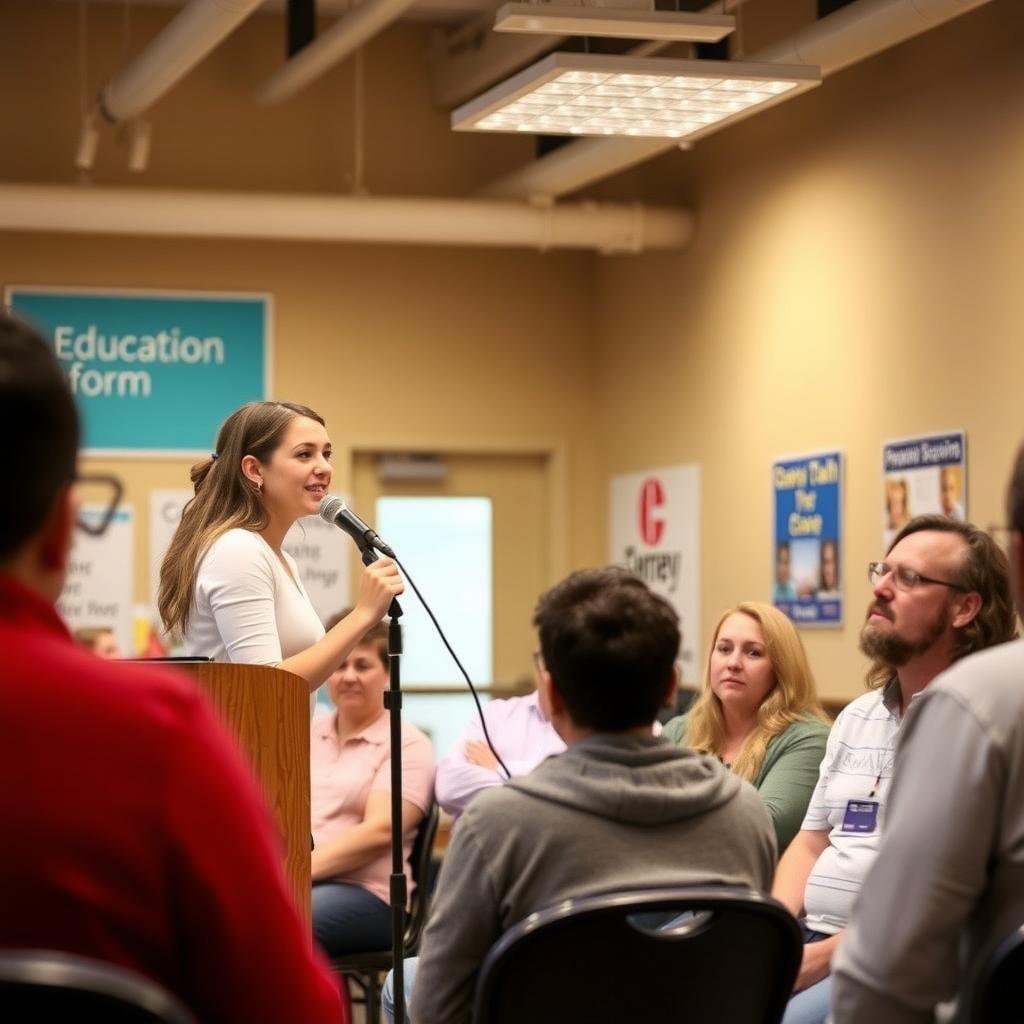
Advocacy doesn’t just raise awareness—it creates tangible results. Here’s how it works:
| Action | Impact |
|---|---|
| Petitions | Influence policymakers to prioritize issues |
| Community Events | Build support and educate the public |
| Meetings with Officials | Shape local policies and budgets |
| Awareness Campaigns | Shift public opinion and inspire action |
For example, a group in my town advocated for affordable housing. They held town halls, shared stories of struggling families, and met with city planners. Within two years, a new housing project broke ground. This shows how advocacy leads to community change by combining passion with strategy.
Overcoming Common Challenges
Advocacy isn’t always easy. You might face burnout, skepticism, or slow progress. Here’s how to stay motivated:
- Set Realistic Goals: Focus on small wins, like getting 50 petition signatures.
- Build a Team: Connect with others who share your passion. Teamwork makes the work feel lighter.
- Celebrate Progress: Did your group get a meeting with a council member? That’s a victory.
- Take Breaks: Advocacy is a marathon, not a sprint. Rest to avoid burnout.
I remember feeling discouraged when a campaign I joined stalled. But we regrouped, shared ideas, and kept going. Eventually, we got the policy change we wanted. Persistence pays off.
Finding the Right Advocacy Program
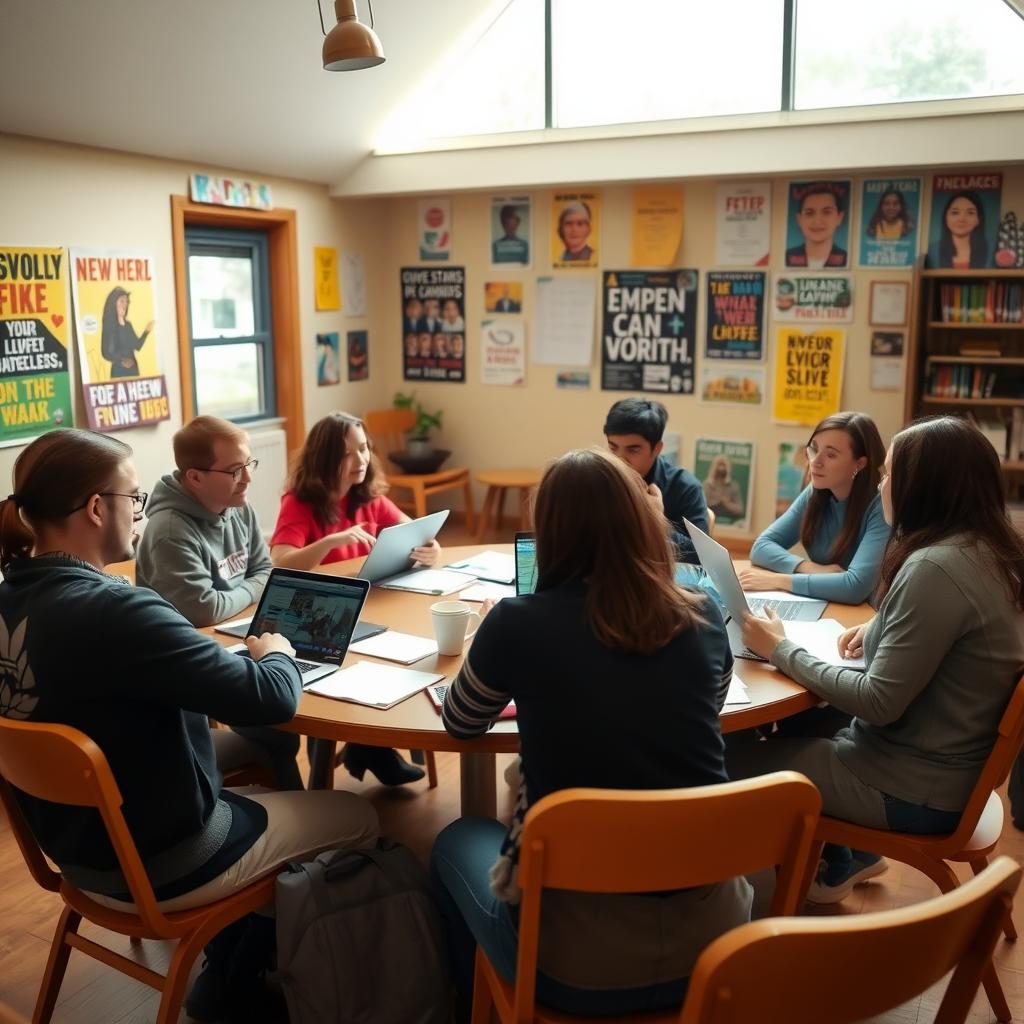
Not all advocacy programs are the same. Some focus on policy, others on grassroots efforts. Here’s a quick guide to choosing one:
- Grassroots Programs: Ideal for community-driven change, like neighborhood cleanups or local petitions.
- Policy Advocacy: Focuses on changing laws or regulations, often requiring research and lobbying.
- Online Advocacy: Involves social media campaigns or virtual petitions, perfect for busy schedules.
Check out organizations like Amnesty International or local nonprofits for structured programs. Many offer training and resources to help you get started. For example, the Sierra Club’s volunteer programs provide tools for environmental advocacy.
Making Advocacy a Lifelong Habit
Advocacy isn’t a one-time event—it’s a mindset. Once you start, it becomes part of who you are. I’ve found that the more I advocate, the more I notice issues around me. It’s like a muscle: the more you use it, the stronger it gets.
To make it a habit:
- Stay informed about your cause.
- Connect with other advocates for support.
- Reflect on your impact to stay motivated.
Over time, you’ll see how your efforts ripple out, inspiring others to join the movement.
Summary
Volunteer advocacy turns passion into action, empowering everyday people to drive change. From Maria’s crosswalks to James’s wellness center, advocates prove that anyone can make a difference. Start small, find your cause, and join a movement. With persistence and heart, you can transform your community.