Funding Your Service Learning Project: A Step-by-Step Guide
Discover how to fund your service learning project with this comprehensive step-by-step guide. Learn practical strategies, from identifying grants to engaging community partners, to secure funding and make your project a success.
4 min read
Overview
Service learning projects combine education with community impact, but funding them can feel overwhelming. Whether you're a student, educator, or volunteer, securing resources is key to success. This guide, Funding Your Service Learning Project: A Step-by-Step Guide, walks you through actionable steps to find and manage funding, drawing from real-world experiences to help you bring your vision to life.
Step 1: Define Your Project’s Goals and Budget
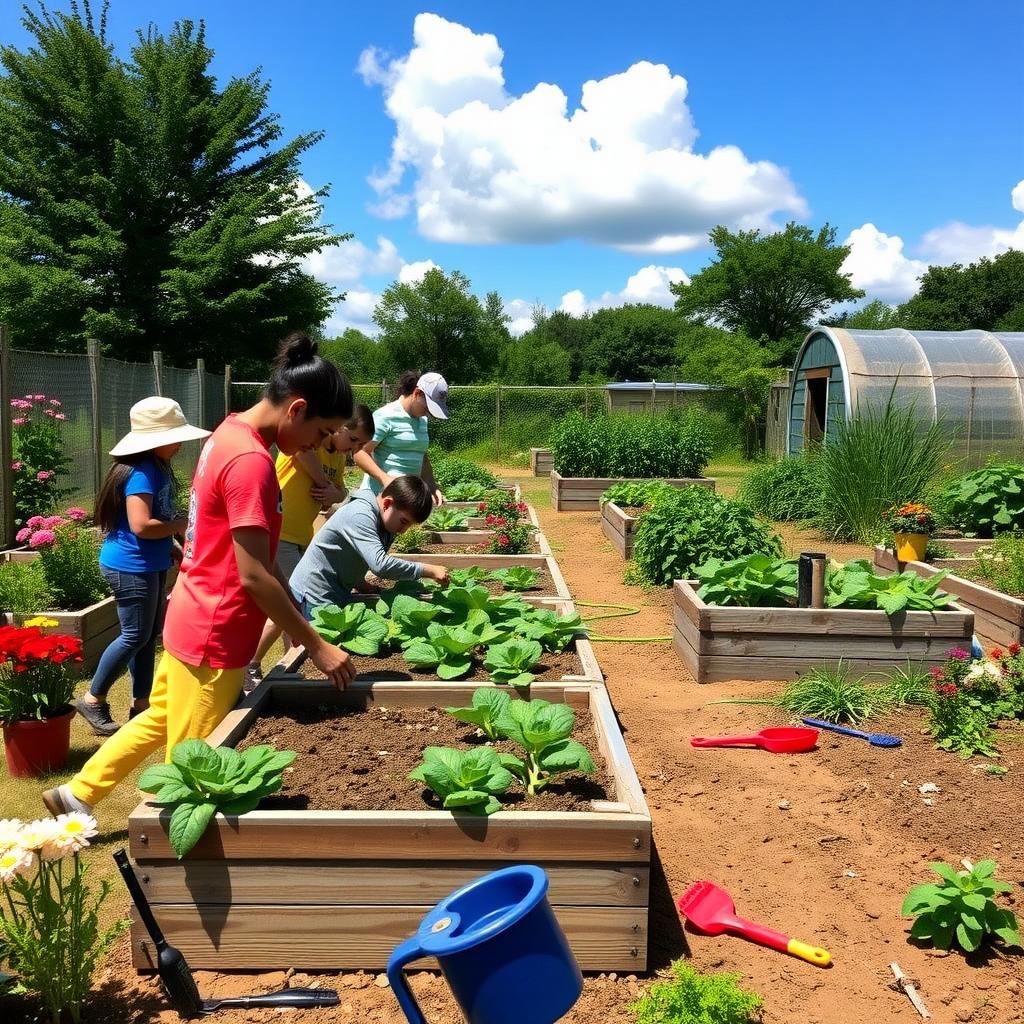
Before seeking funds, clarity is your best friend. What problem is your service learning project solving? Maybe you’re organizing a community garden to teach kids about sustainability or a literacy program for underserved families. Whatever it is, write a clear mission statement. For example, when I helped launch a tutoring program, we stated: 'Provide free reading support to 50 elementary students.' This focus guided our funding needs.
Next, create a detailed budget. List everything: supplies, transportation, permits, or even snacks for volunteers. Be realistic. A community garden might need $500 for seeds, tools, and signage. A tutoring program could require $1,000 for books and materials. Break it down:
| Item | Estimated Cost |
|---|---|
| Supplies | $300 |
| Transportation | $150 |
| Marketing | $50 |
| Miscellaneous | $100 |
This table keeps you grounded and shows funders exactly where their money goes.

Step 2: Research Service Learning Grants and Funding
Grants are a goldmine for service learning projects. Start with local sources. Check your school district, city government, or local nonprofits. For example, the National Service-Learning Clearinghouse lists grants like the Learn and Serve America program, which supports student-led initiatives. Online platforms like Grants.gov or Foundation Directory Online can help you find federal and private grants. Search terms like service learning grants and funding to narrow results.
Don’t overlook small grants. When I worked on a recycling project, we secured a $500 grant from a local environmental group. It covered bins and flyers. Smaller grants often have less competition. Also, look for youth-focused programs like the Disney Friends for Change Grants, which fund eco-friendly projects. Always read eligibility requirements carefully to save time.
Step 3: Tap Into Community Partnerships
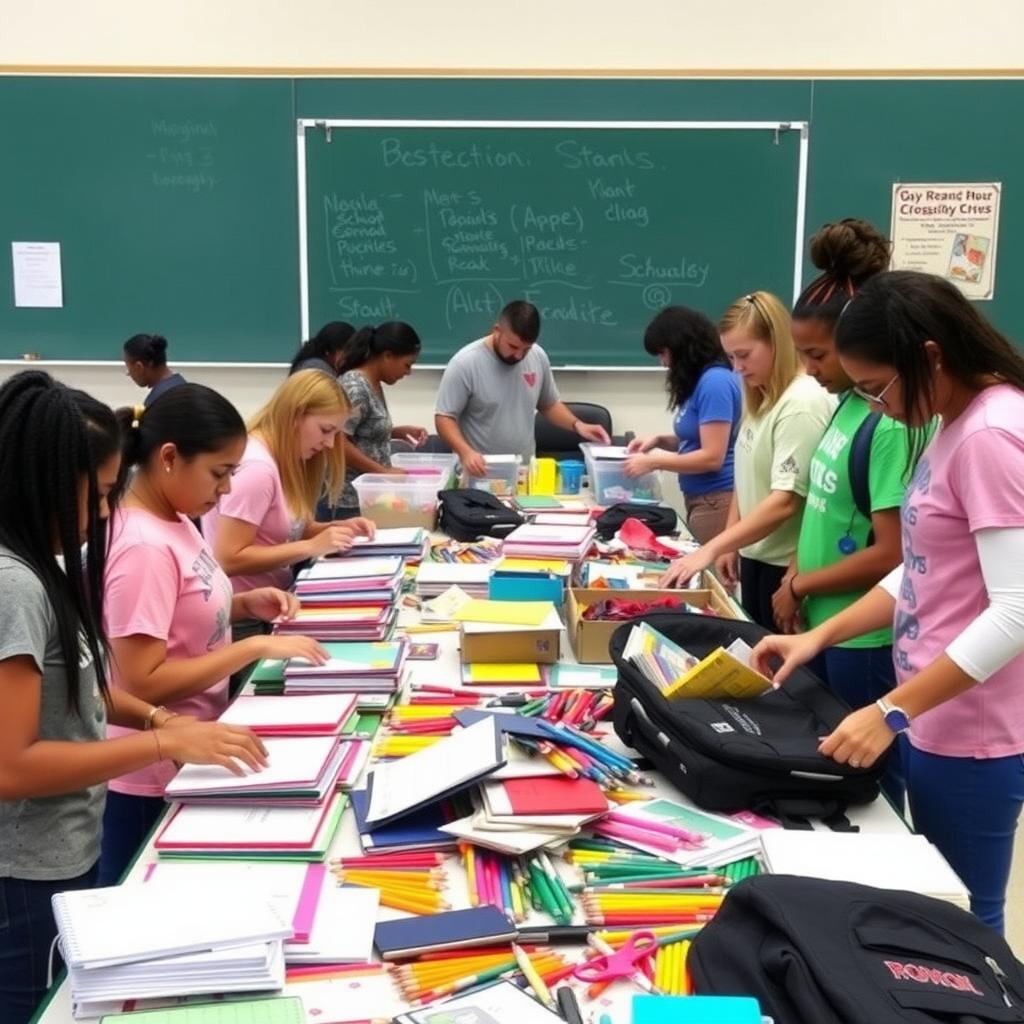
Local businesses and organizations can be powerful allies. Reach out to companies with a community focus, like grocery stores for food drives or hardware stores for building projects. When I volunteered for a school supply drive, a local bookstore donated 100 notebooks after a single meeting. Approach partners with a clear pitch: explain your project’s impact and how their support helps. Offer recognition, like their logo on your event flyers.
Here’s a quick pitch template: - Introduce yourself and your project. - Explain the community benefit (e.g., 'This garden will teach 30 kids about healthy eating'). - Specify what you need (e.g., 'We’re seeking $200 for tools'). - Highlight their role (e.g., 'Your support will be featured on our banners').
Build relationships, not transactions. Follow up with thank-you notes and updates on your project’s progress.
Step 4: Crowdfunding and Fundraising Events
Crowdfunding platforms like GoFundMe or Kickstarter are great for service learning. Create a compelling story with photos and videos to show your project’s heart. For example, a group I know raised $2,000 for a playground cleanup by sharing a video of kids describing their dream park. Set a realistic goal and promote your campaign through social media, school newsletters, and community boards.
Traditional fundraising works too. Host a bake sale, car wash, or talent show. These events also build community spirit. For our tutoring program, a bake sale raised $300 in one afternoon. Keep costs low and involve volunteers to maximize profits. Track funds carefully to stay transparent with donors.
Step 5: Write a Winning Grant Proposal
A strong proposal can unlock significant funding. Start with a clear title, like Service Learning: A Guide to Planning, Implementing, and Assessing Student Projects. Follow the grant’s guidelines exactly—missed details can disqualify you. Most proposals need:
- Introduction: Describe your project and its community impact.
- Goals: List specific, measurable outcomes (e.g., 'Serve 100 meals to homeless families').
- Budget: Use your table from Step 1.
- Timeline: Outline when tasks will happen.
- Evaluation: Explain how you’ll measure success (e.g., surveys or photos).
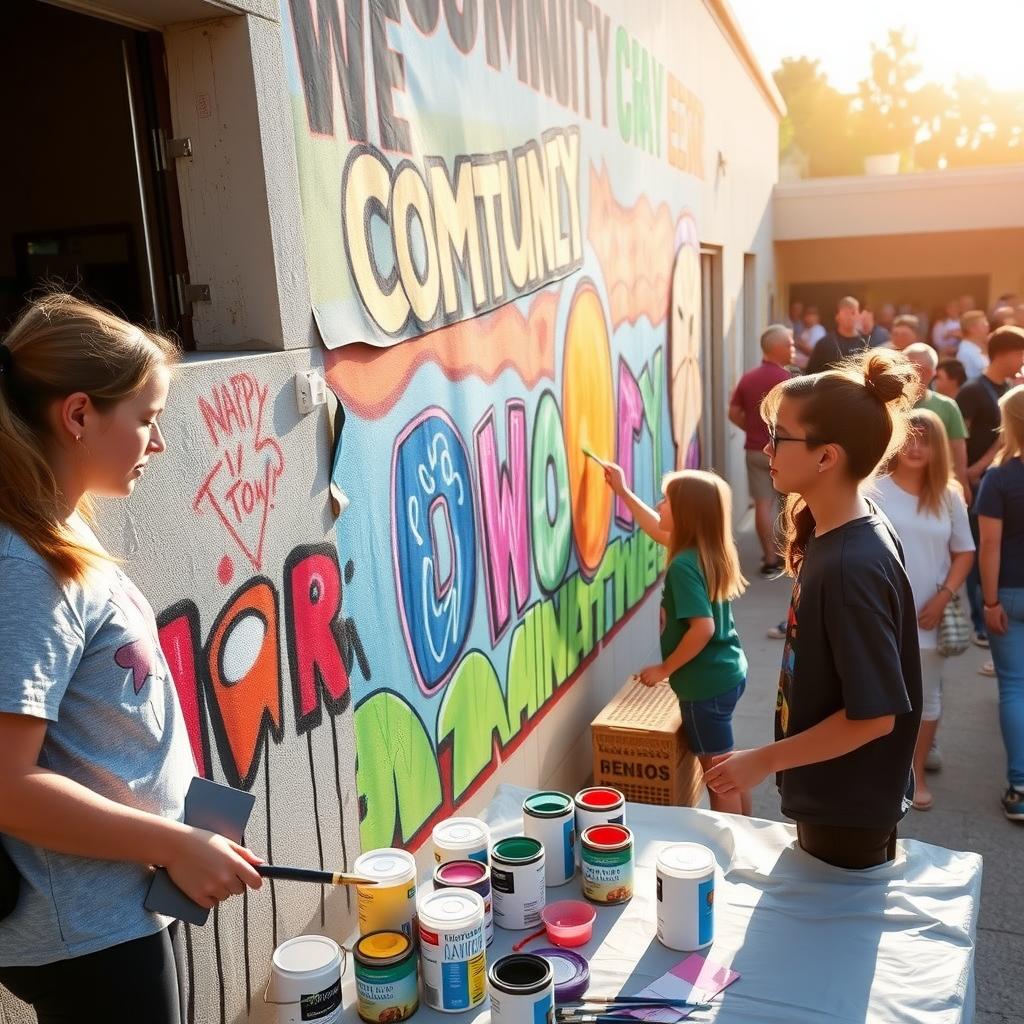
When I wrote a proposal for a mural project, we included before-and-after sketches and a community survey plan. It won us $1,500. Practice makes perfect, so ask mentors to review your draft.
Step 6: Manage and Report Funds
Once funded, track every dollar. Use tools like Google Sheets or budgeting apps to log expenses. Keep receipts and document purchases. For our garden project, we shared monthly updates with donors, showing photos of sprouting plants and happy kids. Transparency builds trust and encourages future support.
If you receive a grant, follow reporting requirements. Some funders want detailed reports; others need a simple summary. Missing deadlines can jeopardize future grants. Set calendar reminders to stay on track.
Step 7: Reflect and Celebrate
After your project, reflect on what worked. Did you meet your goals? What could improve? In our tutoring program, we learned that evening sessions worked better for families. Share your success with funders and the community through social media or a local newspaper. Celebrate your team—host a volunteer appreciation event or share certificates. Recognition keeps everyone motivated for future projects.
Summary
Funding a service learning project takes planning, creativity, and persistence. By defining clear goals, researching service learning grants and funding, building partnerships, and mastering proposals, you can turn your vision into reality. Start small, stay organized, and celebrate your impact. With these steps, you’re ready to make a difference.