Funding for Service Learning: A Resource Guide by the National Service-Learning Clearinghouse
Discover how to secure funding for service learning projects with this comprehensive guide. Learn about grants, practical tips, and real-world examples to support impactful community initiatives.
5 min read
Overview
Service learning blends classroom education with community action, creating meaningful experiences for students and communities alike. Funding for Service Learning: A Resource Guide by the National Service-Learning Clearinghouse offers educators and organizations tools to finance these initiatives. This article explores funding strategies, practical steps, and success stories to help you launch and sustain service learning projects.
What Is Service Learning?
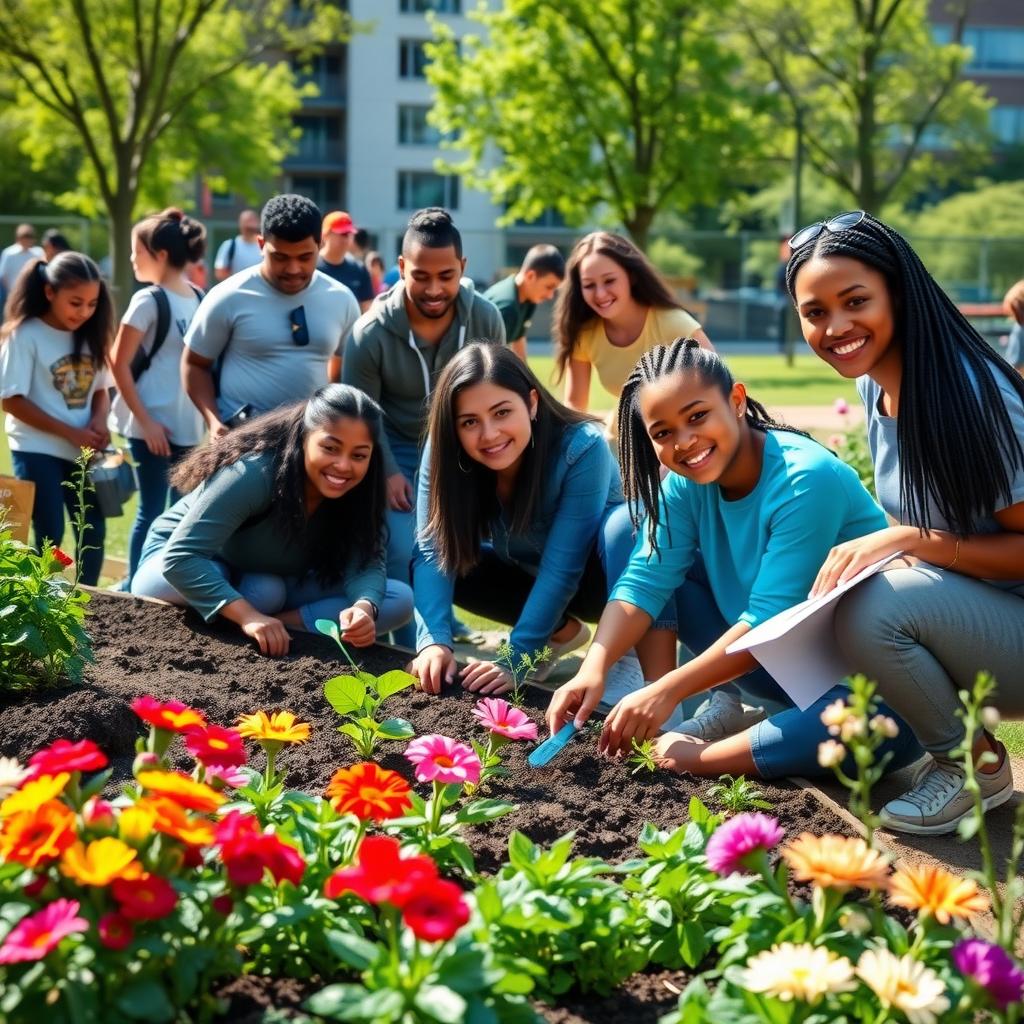
Service learning is more than volunteering. It connects academic lessons to real-world community needs. Students might tutor younger kids, clean up local parks, or build community gardens, all while tying their work to subjects like math, science, or history. The National Service-Learning Clearinghouse defines it as a teaching strategy that integrates meaningful community service with instruction and reflection to enrich learning and strengthen communities. This approach boosts student engagement, builds empathy, and fosters civic responsibility.
I’ve seen service learning spark passion in students. In one project I observed, high schoolers created a recycling program while studying environmental science. They didn’t just learn about pollution—they reduced it. The pride in their faces was unforgettable. That’s the power of service learning: it makes education real.

Why Funding Matters for Service Learning
Service learning projects need resources. Supplies, transportation, and training aren’t free. Without funding, even the best ideas can stall. Grants and funding open doors, letting students and educators turn plans into action. According to the National Service-Learning Clearinghouse, well-funded programs improve student grades, teamwork skills, and community connection. Funding also signals that schools value civic engagement, encouraging long-term commitment.
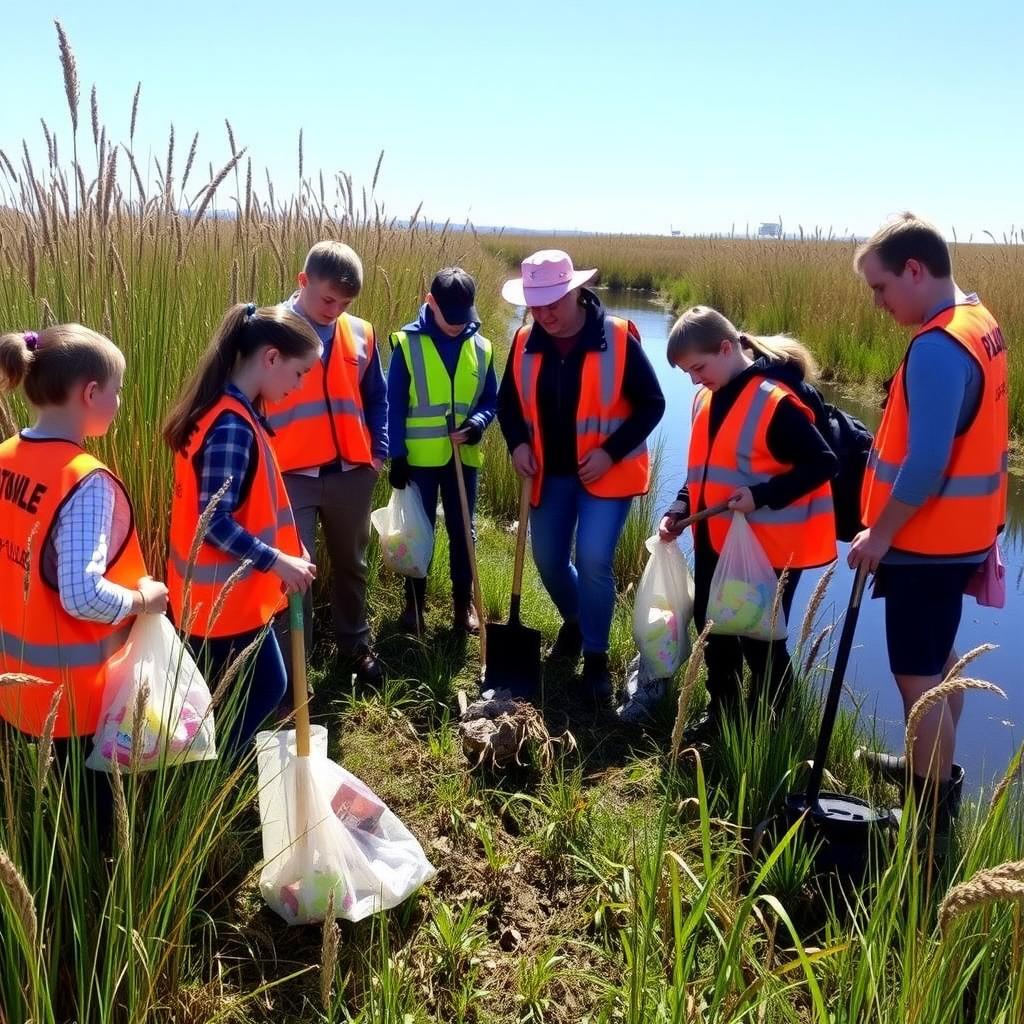
Think about a classroom wanting to restore a local wetland. They need tools, plants, and maybe a bus to get there. A grant can cover those costs, making the project possible. Without it, the idea might stay on paper, and students miss out on hands-on learning.
Key Sources for Service Learning Grants and Funding
Finding service learning grants and funding starts with knowing where to look. The National Service-Learning Clearinghouse, once supported by the Corporation for National and Community Service (CNCS), was a go-to resource for funding opportunities. Though its federal funding ended in 2011, its legacy continues through other organizations. Here are top funding sources today:
- Corporation for National and Community Service (AmeriCorps): Offers grants for service learning through programs like AmeriCorps. Check their website for open applications.
- National Youth Leadership Council (NYLC): Provides grants for youth-led projects. Their funding page is a great starting point.
- State Education Departments: Some states, like California, offer grants for local schools. Contact your state’s education office.
- Private Foundations: Groups like the W.K. Kellogg Foundation support community and education initiatives.
- Local Businesses: Many companies sponsor community projects as part of their corporate social responsibility.
Pro tip: Search terms like service learning grants and funding or volunteer grants online to uncover more opportunities. Sites like Grants.gov are goldmines for federal funding options.

How to Apply for Service Learning Grants
Applying for grants can feel daunting, but it’s manageable with a clear plan. Start early—deadlines come fast. Read the funder’s guidelines carefully to align your project with their mission. Show how your project benefits both students and the community. Use data, like the number of people impacted or expected academic outcomes. A clear budget is critical—list exactly what the money will buy, from supplies to transportation.
Here’s a simple checklist to nail your application: | Step | Action | |------|--------| | Plan Ahead | Start months before the deadline. | | Match the Mission | Tailor your project to the funder’s goals. | | Show Impact | Highlight student and community benefits. | | Budget Clearly | Detail every expense, no guessing. | | Proofread | Errors can sink your chances. | If you don’t get the grant, ask for feedback and try again. Persistence pays off.
I once helped a teacher write a grant for a tutoring program. We spent hours crafting a story about how students would gain confidence while helping younger kids read. The funder loved the clear goals and awarded $5,000. That program still runs today.
Real-World Success Stories
Nothing shows the value of service learning grants and funding like real examples. Here are three inspiring projects: 1. Chicago Community Garden: A school secured a $10,000 grant to build a garden. Students learned biology while growing food for neighbors, strengthening community ties. 2. Texas Reading Program: College students used state funding to tutor kids, improving literacy rates and gaining teaching experience. 3. Oregon Wetland Restoration: Teens won an EPA grant to restore a wetland, learning science and inspiring local environmental awareness.
These projects show how funding turns ideas into reality. They also prove service learning benefits everyone—students gain skills, and communities get stronger.
Challenges and Solutions in Service Learning
Service learning isn’t without hurdles. Time constraints, limited resources, and coordinating with community partners can be tough. Here are common challenges and how to tackle them: - Time: Integrate projects into class time to avoid overloading schedules. - Resources: Seek small grants or local donations to supplement budgets. - Partnerships: Build clear communication with community groups from the start. - Measuring Success: Use surveys or student reflections to track impact.
I’ve seen teachers get creative. One used a single Saturday for a park cleanup, tying it to a science unit. It was small but impactful, proving you don’t need a huge budget or months of time.
The Impact of Service Learning
Studies from the National Service-Learning Clearinghouse show service learning boosts grades, problem-solving skills, and civic engagement. Students feel more connected to their communities, and neighborhoods benefit from their efforts. It’s a win-win. For example, a 2008 report found that students in service learning programs outperformed peers in academic achievement and community involvement.
As someone who’s worked with schools, I can say service learning changes perspectives. Students who once saw school as boring start seeing it as a way to make a difference. That’s the kind of impact funding can unlock.
Summary
Funding for Service Learning: A Resource Guide by the National Service-Learning Clearinghouse is a vital tool for educators and organizations. By tapping into grants from sources like AmeriCorps, NYLC, and private foundations, you can bring service learning to life. Start small, plan carefully, and use real-world examples to inspire your projects. With the right funding, service learning can transform students and communities.