The Future of Volunteering in Advocacy: Trends and Predictions
Explore how technology, social trends, and global challenges are shaping the future of volunteering in advocacy. Discover current trends, future predictions, and how you can get involved.
4 min read

Volunteering in advocacy is changing fast. Technology, social shifts, and global issues are driving this evolution. This article dives into current trends and predicts what’s next for volunteering in advocacy. It’s packed with insights for anyone eager to make a difference.

Current Trends in Volunteering for Advocacy
Volunteering in advocacy has transformed in recent years. Social media is a big reason why. Platforms like Facebook and Twitter connect people to advocacy groups instantly. You can share a petition or join a campaign with a single click. It’s never been easier to support a cause you care about.
Virtual volunteering is another game-changer. The COVID-19 pandemic pushed many groups online, and they stayed there. Now, you can write emails to lawmakers or design graphics for a campaign from your couch. This opens doors for people who can’t travel or live far from big cities.
Diversity matters more than ever too. Advocacy groups want voices from all walks of life. They’re reaching out to underrepresented communities to make sure everyone gets heard. According to a study from Stanford University, diverse teams create stronger, more creative solutions. This trend is making advocacy more impactful.

Predictions for the Future of Volunteering in Advocacy
What’s next for volunteering in advocacy? Technology will lead the way. Artificial intelligence (AI) could soon play a big role. Imagine AI sorting through tons of data to spot trends or predict which campaigns will take off. It might even suggest the best people to spread your message.
Immersive tech like virtual reality (VR) and augmented reality (AR) is another exciting possibility. Picture yourself stepping into a VR world to see the effects of climate change firsthand. Or joining a virtual protest from across the globe. These tools could make volunteers feel closer to the issues they’re fighting for.
Global teamwork is also on the rise. As borders blur online, advocacy groups can unite worldwide. Think of volunteers from different countries tackling big problems like human rights together. A report from the United Nations predicts volunteering will become more collaborative as tech connects us all.

How to Get Involved in Volunteering for Advocacy
Ready to jump in? Start by picking a cause that fires you up. Love nature? Focus on environmental advocacy. Care about equality? Look into social justice groups. When it’s personal, volunteering feels rewarding.
Next, find the right fit. Websites like VolunteerMatch or Idealist list tons of volunteer opportunities in advocacy groups. You can also check with local organizations. Look for ones that match your skills—writing, art, or even just enthusiasm.
Here’s a quick list of steps to get started: - Step 1: Identify your passion. - Step 2: Search online or ask around. - Step 3: Contact a group and ask about roles. - Step 4: Attend a training or kickoff event.
Volunteering isn’t just about giving time. You’ll learn new things, meet cool people, and see real change happen. I once joined a local clean-water campaign—writing letters to officials felt small, but it helped pass a new law. That’s the power of advocacy.

The Role of Technology in Volunteering for Advocacy
Tech is rewriting the rules of advocacy. Take blockchain—it’s like a digital ledger that tracks donations. Donors can see exactly where their money goes, building trust. Groups using this say it boosts giving.
Big data is another tool in the toolbox. It crunches numbers to show what works. For example, data might reveal that young adults respond best to climate campaigns. Advocacy groups can then target their efforts smarter. A Harvard study shows data-driven strategies often double a campaign’s reach.
Then there’s VR again. Some groups already use it to train volunteers. Imagine experiencing a day in a refugee’s shoes—it’s powerful stuff. These tools don’t just help volunteers; they make advocacy hit harder.
Why Volunteering in Advocacy Matters
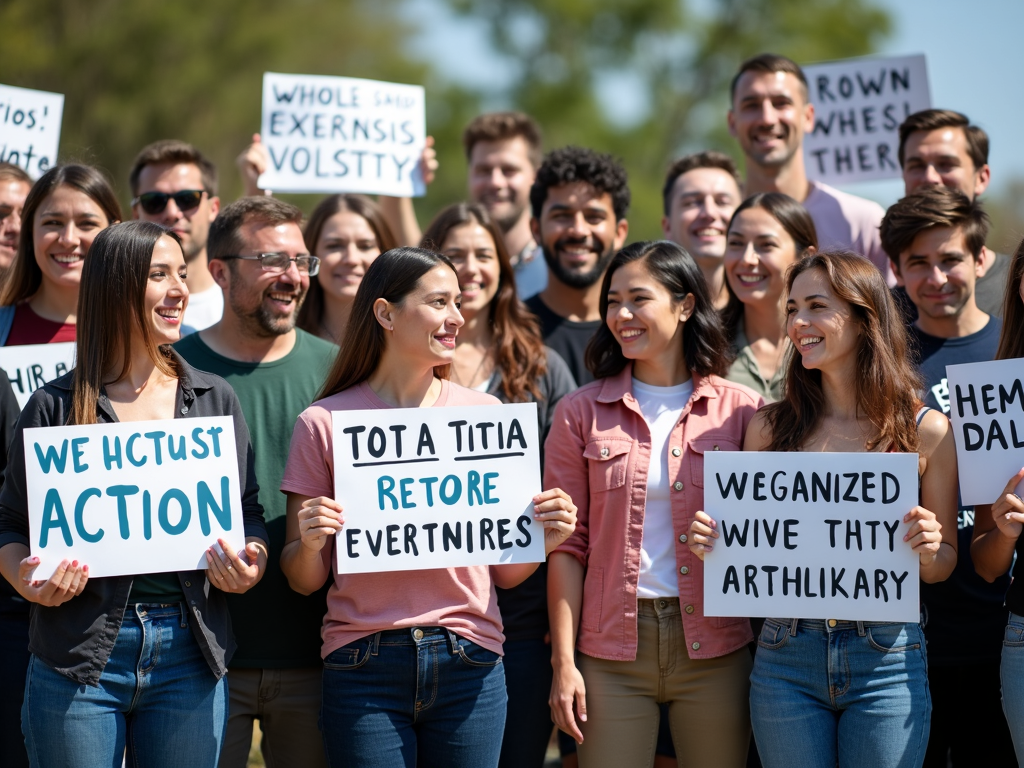
Advocacy isn’t just talk—it’s action. Volunteers push for laws, shift opinions, and solve problems. I’ve seen it myself: a friend volunteered with a voting rights group and helped register hundreds of new voters. Small steps add up.
The future of volunteering in advocacy looks exciting. Trends like virtual roles and global networks mean more people can join in. Predictions about AI and VR show how creative this work can get. Whether you’re online or on the ground, your voice counts.
Here’s a table comparing volunteering types: | Type | Pros | Cons | |-------------------|------------------------------|---------------------------| | In-Person | Hands-on, personal connection| Time and travel needed | | Virtual | Flexible, wide reach | Less face-to-face bonding | | Tech-Driven | Innovative, efficient | Learning curve |
No matter how you volunteer, you’re shaping tomorrow.

Final Thoughts
The future of volunteering in advocacy is full of promise. Tech is making it easier to connect, create, and change the world. Social shifts are bringing more people into the fold. If you’ve ever thought about volunteering, now’s the time. Pick a cause, find a group, and start small—you’ll be amazed at what you can do.