Getting Started with Educational Volunteering: Making a Difference in Schools
Discover how to begin your journey in educational volunteering. Learn about the role of non-profits, skill-based volunteering for professionals, and impactful ways to support schools beyond teaching. This guide offers practical steps, real insights, and tips to create meaningful change in education.
5 min read
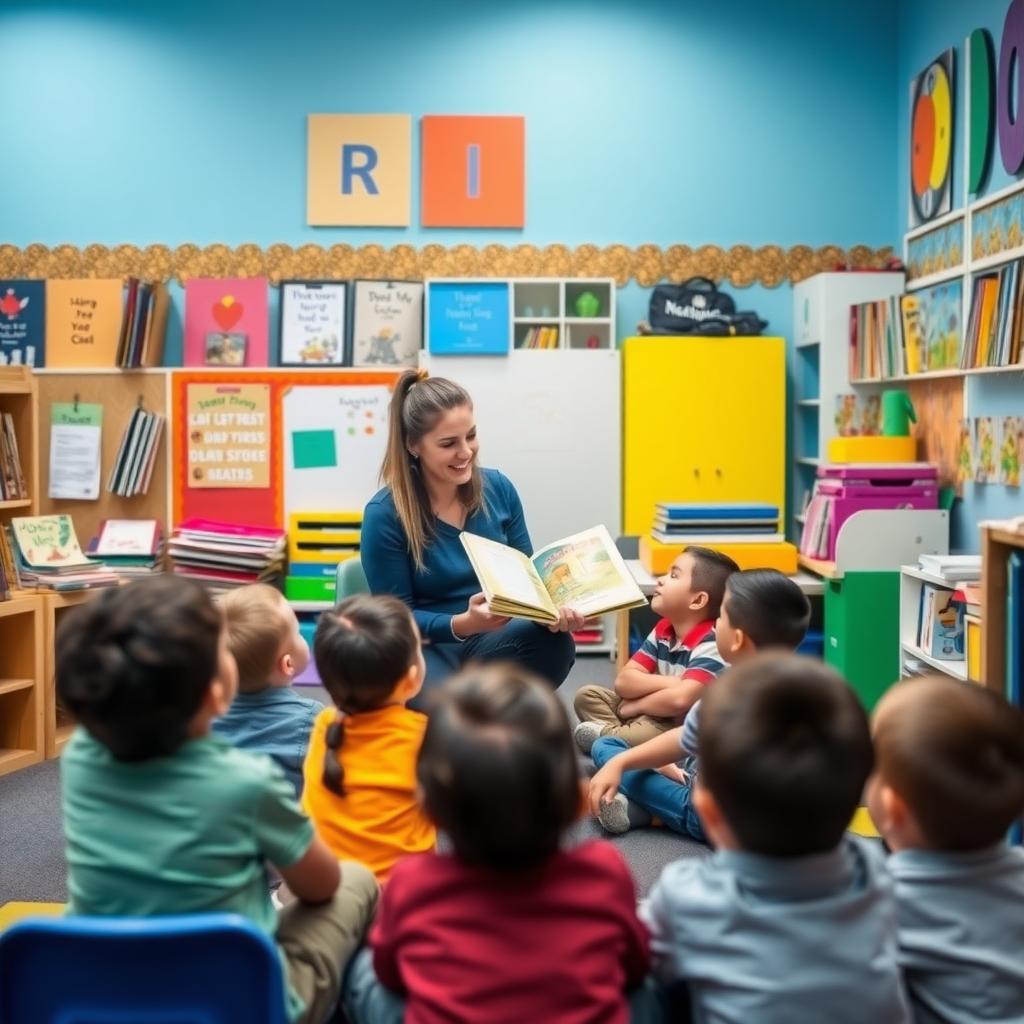
Educational volunteering opens a door to transform lives—both for students and volunteers. Whether you're a professional looking to share your expertise or someone passionate about education, getting started with educational volunteering can be a rewarding way to give back. This guide explores how to begin, the role of non-profits in education, and how professionals can make a lasting impact in schools without stepping into a traditional teaching role.
Why Educational Volunteering Matters
Volunteering in schools isn't just about helping kids with homework. It's about inspiring young minds, bridging gaps in resources, and building stronger communities. Schools often face challenges like understaffing or limited budgets, and volunteers can fill those gaps. According to a study by the National Center for Education Statistics, schools with active volunteer programs report improved student engagement and academic outcomes. By getting involved, you’re not just helping one student—you’re strengthening the entire educational ecosystem.
For many, the idea of volunteering feels daunting. Where do you start? How do you find the right opportunity? The good news is that educational volunteering is flexible, with options for everyone, from busy professionals to retirees. My own experience began with a local non-profit that connected me to a nearby school needing reading mentors. That first step—signing up for a one-hour weekly session—changed my perspective on what it means to make a difference.

The Role of Non-Profits in Education
Non-profits play a huge part in making educational volunteering accessible. Organizations like VolunteerMatch and Action Tutoring connect volunteers with schools and community programs. These groups do the heavy lifting—vetting opportunities, providing training, and ensuring volunteers are matched with roles that suit their skills. Non-profits also create structured programs, like tutoring or mentoring, that maximize impact. For example, Action Tutoring reports that 43% of disadvantaged students they support pass key exams, compared to just 20% without such programs. This shows how non-profits amplify volunteer efforts to create measurable change.
Non-profits also offer a sense of community. When I volunteered, I wasn’t just working with students; I was part of a network of people who cared about education. We shared tips, celebrated small wins, and supported each other. This sense of belonging made the experience even more fulfilling.
Skill-Based Volunteering: A Guide for Professionals
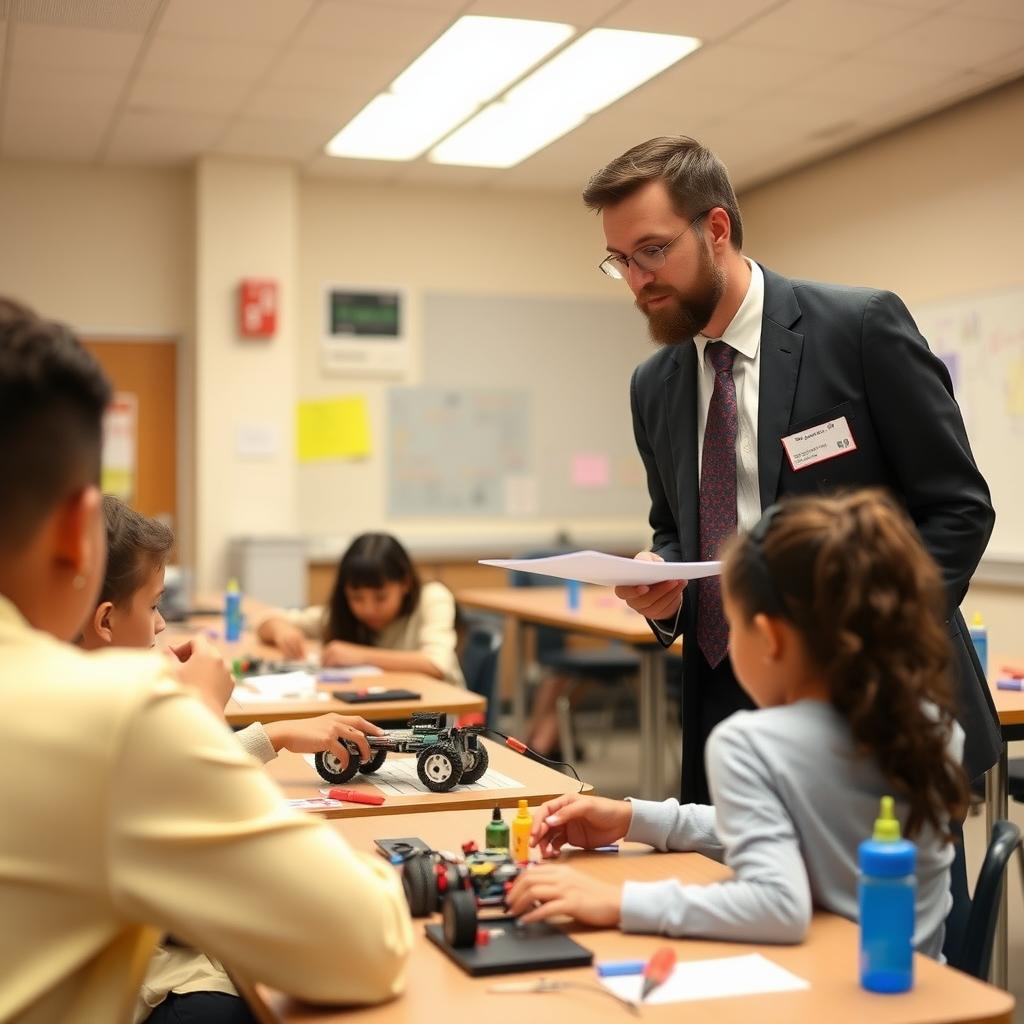
If you’re a professional with specific expertise, skill-based volunteering in education is a game-changer. Unlike traditional volunteering, which might involve general tasks like chaperoning field trips, skill-based volunteering lets you use your professional skills to make a unique impact. Think accountants helping schools with budgeting, marketers creating fundraising campaigns, or engineers leading STEM workshops. A report by the Foundation for Shared Impact found that skill-based volunteering not only benefits schools but also helps professionals develop leadership and communication skills.
For example, I once met a graphic designer who volunteered to teach a high school art club about branding. The students created logos for a school event, and the designer said it was one of the most rewarding projects of her career. She wasn’t teaching in a traditional sense but was sharing her expertise in a way that sparked creativity and real-world skills in students.
How to Get Started with Educational Volunteering
Ready to jump in? Here’s a step-by-step guide to make getting started with educational volunteering smooth and impactful:
1. Identify Your Skills and Interests: Think about what you can offer. Are you great at math? Love reading? Have a knack for organizing events? Your unique skills can find a place in schools.
2. Research Opportunities: Check platforms like VolunteerMatch or local non-profits for school-based programs. Many schools also list volunteer needs on their websites, like Brunswick County Schools.
3. Understand Requirements: Some roles, like tutoring, may require background checks or training. For instance, Brunswick County Schools charges a $22 fee for a background check, valid for three years.
4. Start Small: Commit to a few hours a month to test the waters. My first volunteering stint was one hour a week, and it was enough to feel meaningful without overwhelming my schedule.
5. Connect with Non-Profits: Organizations like Public Prep or Action Tutoring provide structured programs, making it easier to find a role that fits.
Don’t worry if you’re not sure where you fit. Most programs offer training, and schools are grateful for any help. The key is to show up consistently and with enthusiasm.
How Professionals Can Impact Schools Beyond Teaching
Professionals have a unique opportunity to impact schools in ways that go beyond traditional classroom roles. Here are a few ideas:
- Mentoring: Share career insights to inspire students. A lawyer I know volunteered at a career day, explaining how she navigates her job. Students were fascinated and started thinking about their own futures.
- Workshops: Lead sessions on your expertise, like coding, writing, or financial literacy. These expose students to practical skills they might not learn in class.
- Event Support: Help organize fundraisers or school fairs. Your project management skills can make these events run smoothly, boosting school spirit.
- Strategic Support: Serve as a school board volunteer or help with grant writing. These behind-the-scenes roles strengthen the school’s foundation.
The impact of these efforts is real. A Gallup study found that volunteers with higher education levels, like professionals, often have a deeper impact on community outcomes, including education. Your expertise can open doors for students who might not otherwise see certain career paths.
Challenges and How to Overcome Them
Volunteering isn’t always smooth sailing. Time constraints are a big hurdle, especially for professionals. I struggled to balance my job with volunteering until I set a fixed weekly slot. Schools also sometimes lack clear volunteer structures, which can feel disorganized. To tackle this, communicate openly with coordinators about expectations. If you’re nervous about working with students, start with low-pressure tasks like event setup. Non-profits often provide mentors to guide you, so lean on their support.
The Rewards of Educational Volunteering
The real magic happens when you see the impact. I’ll never forget the shy third-grader who beamed when she read a full page aloud after weeks of practice. Those moments make every hour worth it. Plus, volunteering sharpens your own skills—patience, communication, even creativity. It’s a two-way street where everyone grows.
Final Thoughts
Getting started with educational volunteering is about taking that first step, whether it’s tutoring, mentoring, or sharing your professional skills. Non-profits make it easier by connecting you with schools and providing support. Professionals, in particular, can make a huge difference by bringing their expertise to students in creative ways. The rewards—both for you and the students—are worth every minute. Dive in, start small, and watch how your efforts ripple through the community.