Getting Started with Environmental Volunteering
Discover how you can make a difference through environmental volunteering while also enhancing your personal growth and skills.
4 min read
Getting Started with Environmental Volunteering: Your Guide to Making a Difference
Overview: Environmental volunteering is more than just a way to help the planet—it's a chance to grow personally, develop new skills, and connect with your community. Whether you're planting trees, cleaning up beaches, or educating others, your efforts can create lasting change. This guide will walk you through everything you need to know to get started, from understanding what environmental volunteering is to finding the right opportunity for you.

How to Get Started
Ready to dive in? Here's a step-by-step guide to help you begin your environmental volunteering journey:
-
Identify Your Interests: Think about what aspects of the environment you're most passionate about. Do you love animals? Consider wildlife conservation. Are you concerned about plastic pollution? Look for beach cleanups or recycling initiatives.
-
Research Local Opportunities: Start by looking for organizations in your area. Websites like The Nature Conservancy (TNC) offer a range of in-person and virtual volunteering options. You can also check out local environmental groups or community centers for upcoming events.
-
Reach Out: Once you've found an organization or project that interests you, contact them to learn more. Many groups offer orientation sessions or training, so you don't need to be an expert to get started.
-
Start Small: If you're new to volunteering, begin with a one-time event like a park cleanup or tree planting day. This will give you a taste of what to expect without a long-term commitment.
-
Stay Committed: If you enjoy your experience, consider making volunteering a regular part of your routine. Many organizations rely on consistent volunteers to carry out their missions.
Top 5 Volunteer Opportunities in Environmental Conservation
There are countless ways to get involved, but here are five popular opportunities to consider:
-
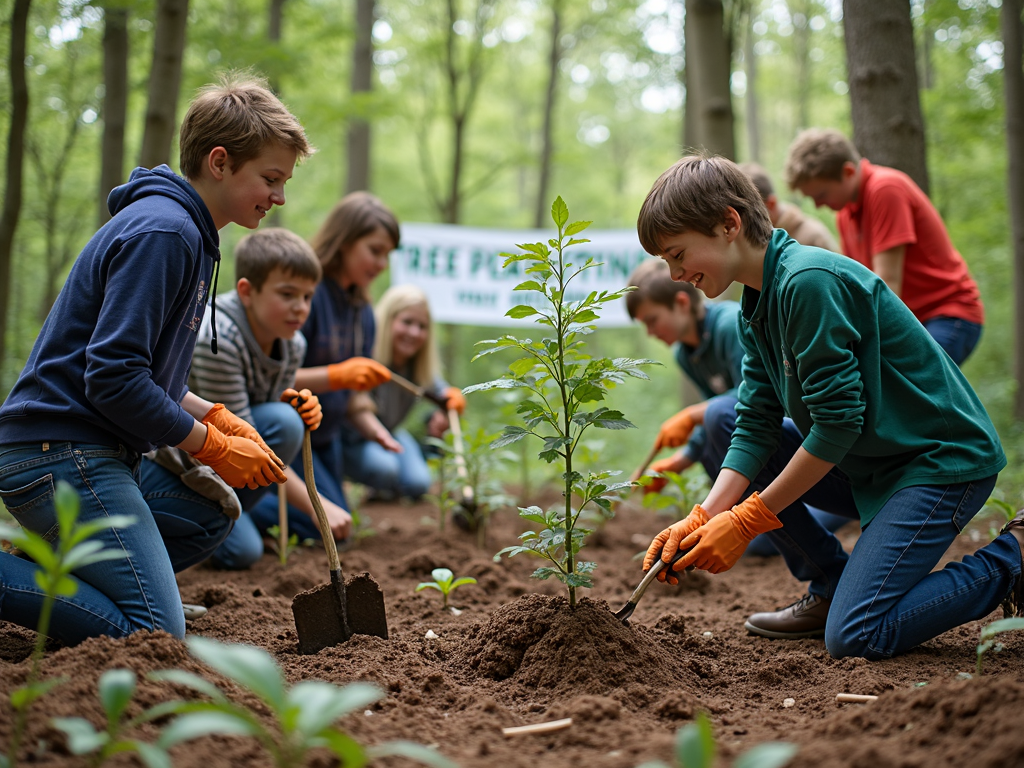
Habitat Restoration: Help restore natural areas by planting native species, removing invasive plants, or building wildlife habitats. This work is crucial for maintaining biodiversity and ecosystem health.
-
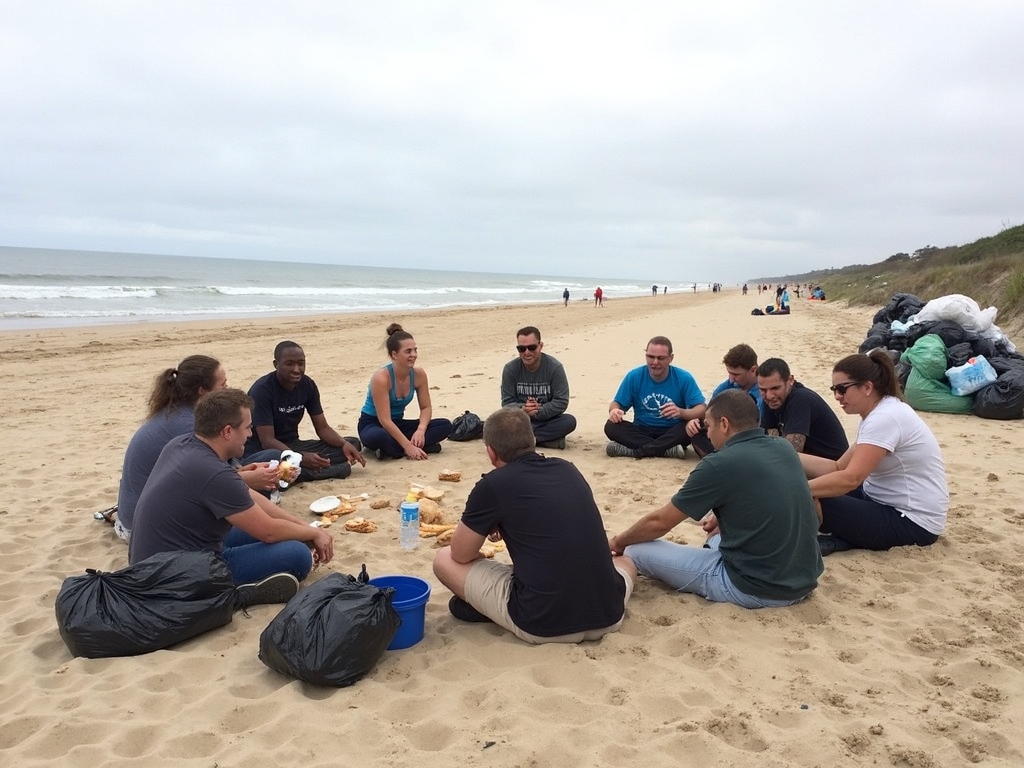
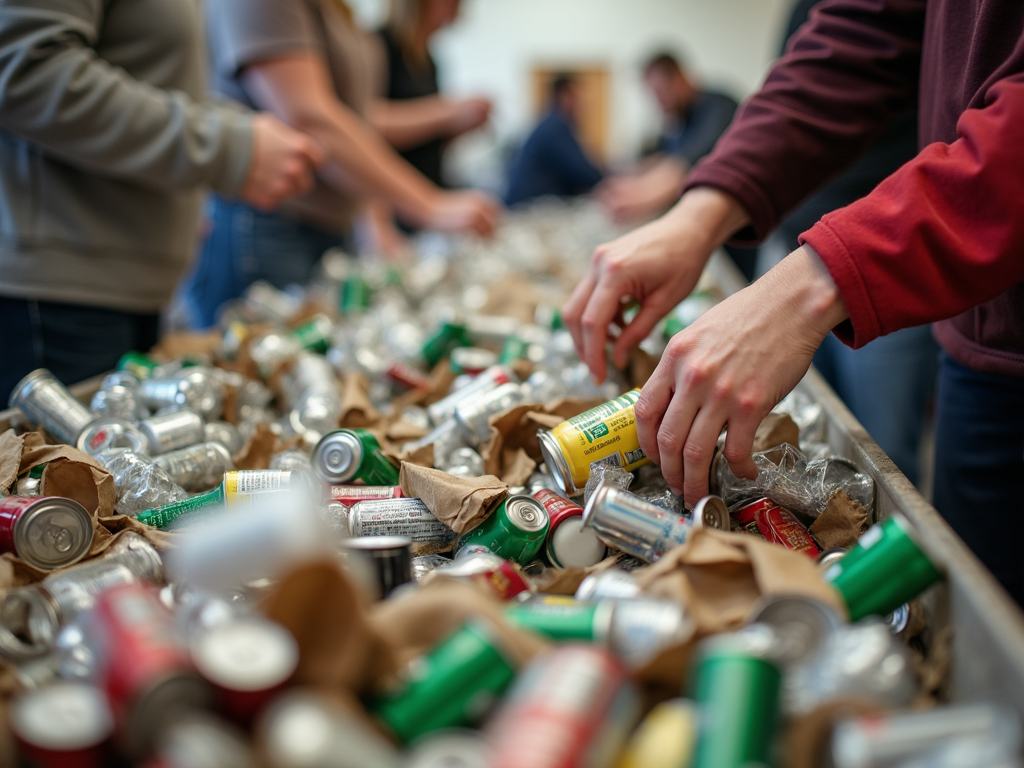
Beach and Park Cleanups: Join efforts to remove trash from beaches, parks, and waterways. These events not only clean up the environment but also raise awareness about pollution.
-
Environmental Education: Share your knowledge by teaching others about sustainability. You could lead workshops, give talks, or mentor students in service learning projects.
-
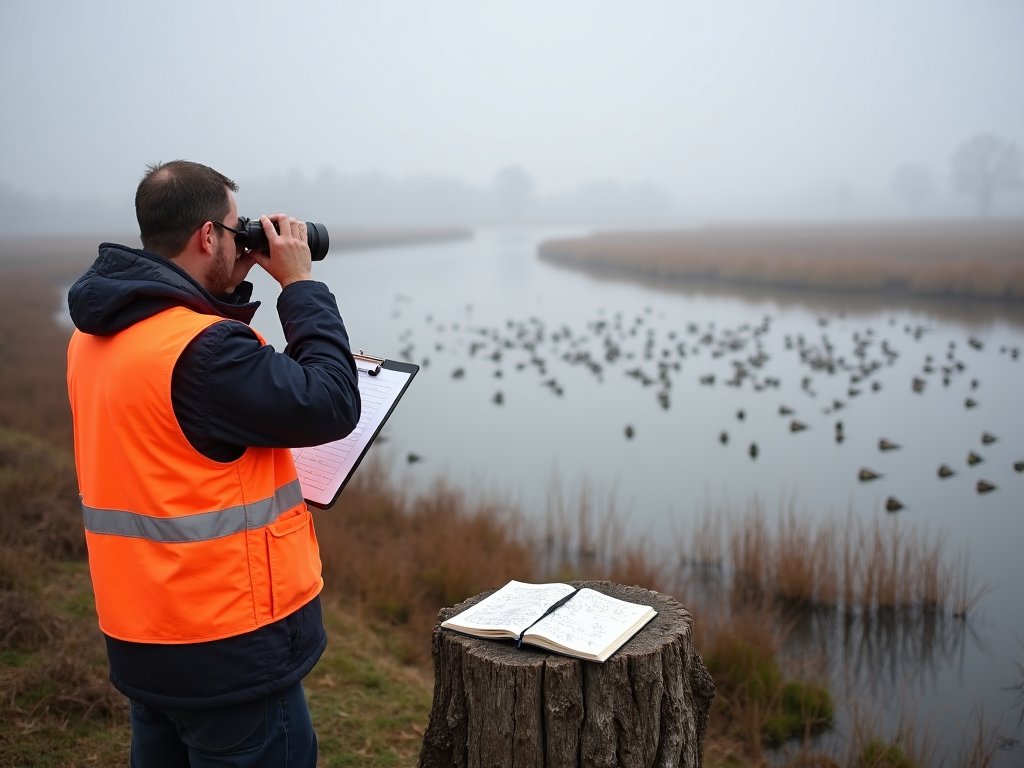
Wildlife Monitoring: Assist scientists by tracking animal populations, observing behavior, or collecting data. This work helps researchers understand and protect species.
-
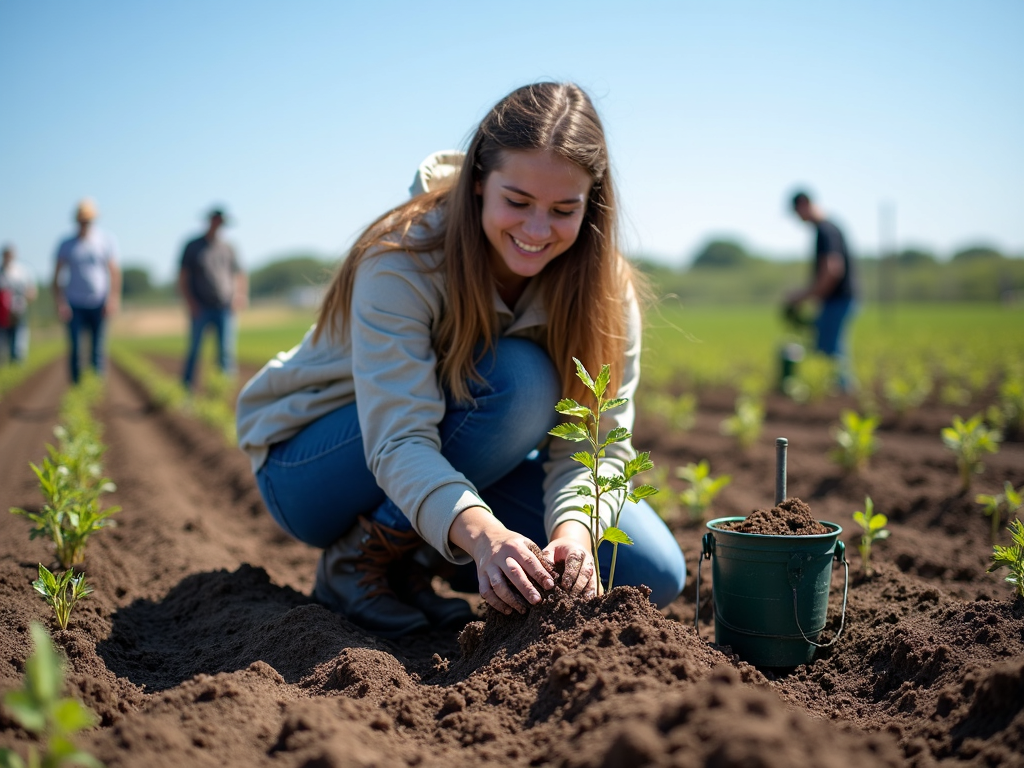
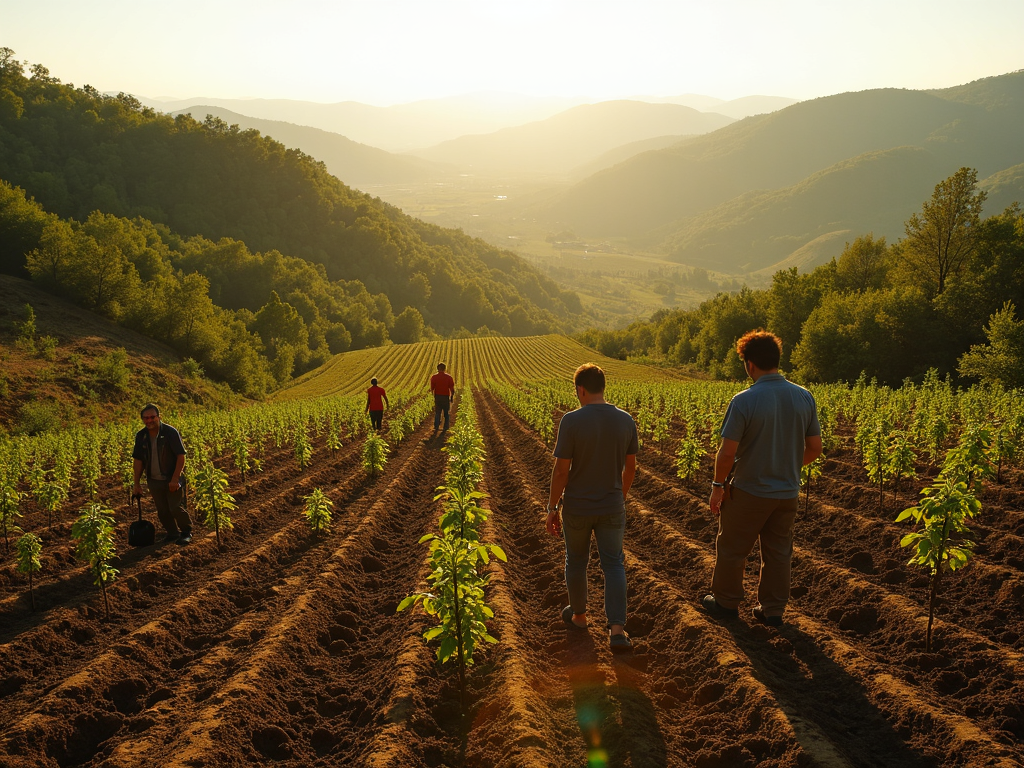
Tree Planting: Participate in reforestation projects to combat deforestation and climate change. Trees provide habitat, clean the air, and store carbon.
The Impact of Your Efforts
Your contributions as an environmental volunteer can have far-reaching effects. Here's how:
-
Environmental Benefits: Volunteering helps protect ecosystems, conserve biodiversity, and reduce pollution. For example, tree planting can restore forests, while cleanups prevent plastic from entering oceans.
-
Community Impact: By volunteering, you inspire others to take action. Your efforts can spark a ripple effect, encouraging friends, family, and neighbors to get involved.
-
Personal Growth: Volunteering can lead to new skills, friendships, and even career opportunities. Many volunteers find that their experiences shape their values and future goals.
-
Student Skills: For students, service learning through environmental volunteering can enhance academic performance, boost critical thinking, and foster a sense of civic responsibility.
Summary
Getting started with environmental volunteering is easier than you might think. By identifying your interests, researching opportunities, and taking that first step, you can make a meaningful difference. Whether you're looking to boost your skills, connect with your community, or simply help the planet, there's a volunteer opportunity out there for you. Remember, every action counts—your efforts today can create a better tomorrow.
Read More:
- Why Service Learning Boosts Student Skills
- Service Learning: Combining Education and Community Service
- The Benefits of Volunteering in Environmental Conservation
- Top 5 Volunteer Opportunities in Environmental Conservation
- How Environmental Volunteering Can Change Your Life
What is Environmental Volunteering?
Environmental volunteering means giving your time to projects that protect nature. It’s about taking action on issues like pollution, climate change, and habitat loss. You might find yourself planting trees to rebuild forests, picking up trash from a park, or helping track wildlife. These efforts keep ecosystems healthy and thriving.
For many, especially students, this work ties into service learning. This approach mixes education with real-world action. Instead of just reading about environmental problems, you tackle them hands-on. It’s a chance to use what you learn in school while making a difference. Whether you’re a student or not, volunteering connects you to the world around you.
I’ve seen this firsthand. A few years ago, I joined a local river cleanup. We pulled out bags of plastic and old tires, and by the end, the water looked alive again. It wasn’t just about the river—it felt good to be part of something bigger.
Why Should You Get Involved?
Volunteering isn’t just about saving the planet—it’s about what it does for you too. Here’s why it’s worth your time:
-
It Feels Good: There’s a quiet pride in knowing you’ve helped. After that river cleanup, I couldn’t stop smiling. It’s a boost to your mood and sense of purpose.
-
You Learn New Skills: Programs like Service Learning: Combining Education and Community Service show how volunteering builds skills. Teamwork, leadership, even basic problem-solving—like figuring out how to haul a tire from a river—all come into play. These skills stick with you.
-
It Connects You to People: You meet others who care about the same things. I still talk to folks I met that day by the river. It’s a community you didn’t know you needed.
-
It Helps the Earth: Every tree planted or bag of trash removed matters. According to The Nature Conservancy, volunteer efforts restore millions of acres of land each year. That’s real impact.
Students especially benefit. Why Service Learning Boosts Student Skills explains how it sharpens critical thinking and responsibility. It’s not just homework—it’s life experience.