Guide to Effective Volunteer Management: Building Strong Community Programs
Discover actionable strategies for effective volunteer management, from recruitment to retention. This comprehensive guide offers insights, tips, and best practices to organize impactful community service events and integrate service learning in education.
4 min read
Overview
Effective volunteer management is the backbone of successful community programs. Whether you're organizing a community service event or integrating Service Learning in Education: Best Practices into a school curriculum, managing volunteers well ensures lasting impact. This Guide to Effective Volunteer Management - https://example.com/volunteer-management shares practical steps to recruit, train, and retain volunteers while fostering meaningful community engagement.
Why Volunteer Management Matters
Volunteers are the heart of community initiatives. They bring energy, skills, and passion to causes that change lives. But without proper management, even the most dedicated volunteers can feel unappreciated or disorganized, leading to burnout or disengagement. Effective volunteer management creates a supportive environment where volunteers thrive, and projects succeed.
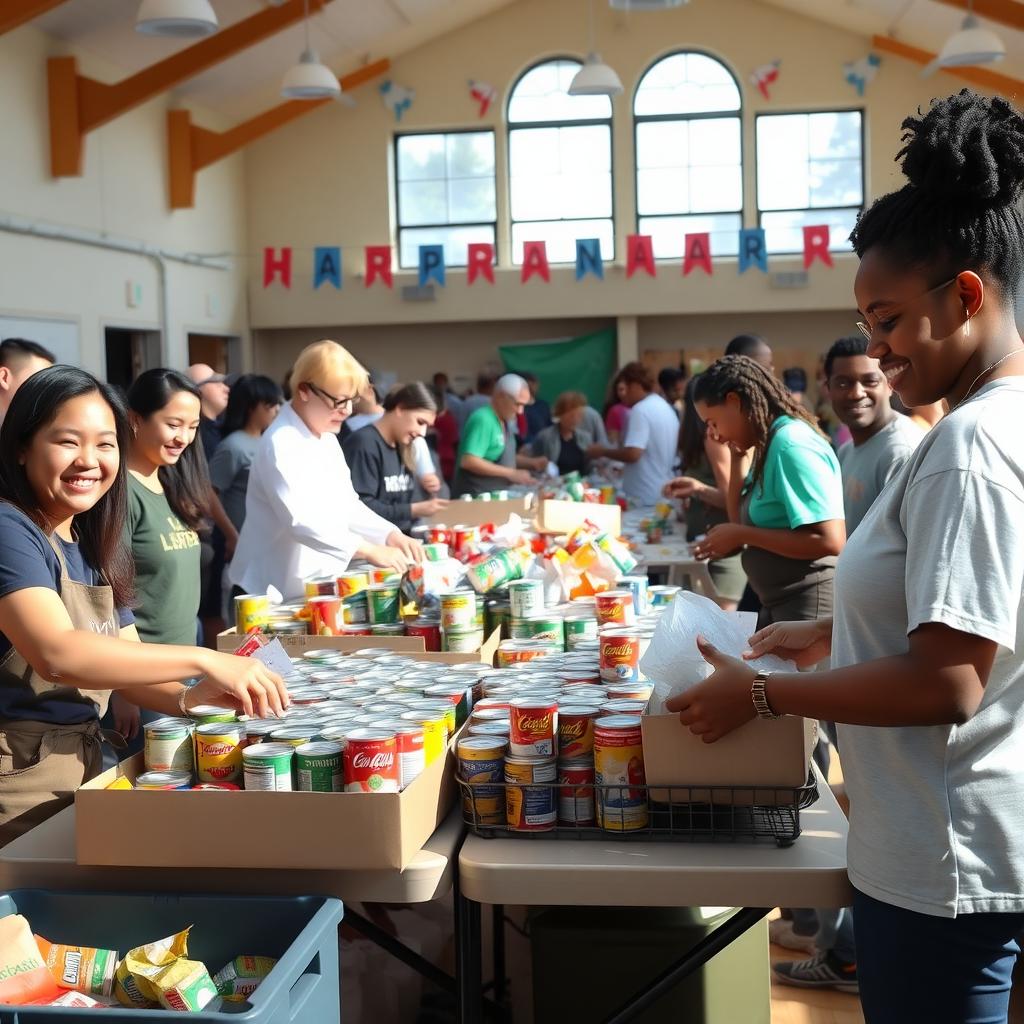
For example, when I helped organize a local food drive, we learned that clear communication and defined roles made all the difference. Volunteers felt valued, and we collected twice as many donations as the previous year. This guide draws from real experiences like that to help you build strong volunteer programs.

Step 1: Recruiting the Right Volunteers
Recruitment is about finding people who share your mission. Start by defining your needs. Are you organizing a community service event, like a park cleanup, or seeking long-term commitment for a mentoring program? Be specific about roles, time commitments, and skills required.
- Craft a Clear Message: Highlight Why Service Learning Changes Lives in your outreach. Share stories of impact, like how volunteers helped a local school garden project teach kids about sustainability.
- Use Multiple Channels: Post on social media, community boards, and local schools. Partner with universities, as Service Learning in Education: Best Practices often encourages students to volunteer.
- Screen Thoughtfully: Use applications or interviews to ensure alignment with your goals.
According to a study by the Corporation for National and Community Service, 77% of volunteers stay longer when they feel their work aligns with their values. Clear recruitment sets the foundation for retention.
Step 2: Training for Success
Training equips volunteers with the tools they need. It’s not just about teaching tasks but also about building confidence and connection. When I trained volunteers for a literacy program, we included role-playing to practice reading with kids. This made volunteers feel prepared and excited.
Here’s a simple training framework:
| Training Element | Purpose | Example |
|---|---|---|
| Orientation | Introduce mission and goals | Share your organization’s history and impact |
| Skill-Building | Teach specific tasks | Demonstrate how to log volunteer hours |
| Team-Building | Foster camaraderie | Icebreaker games or group discussions |
A report from Stanford University emphasizes that well-trained volunteers are 30% more likely to stay engaged. Make training interactive and relevant to keep volunteers motivated.

Step 3: Organizing a Community Service Event
Planning a successful community service event requires careful coordination. Whether it’s a beach cleanup or a charity run, structure keeps things running smoothly. Here’s how to do it:
- Set Clear Goals: Define what success looks like. For example, collecting 500 pounds of trash or raising $5,000 for a cause.
- Assign Roles: Match volunteers’ skills to tasks, like logistics, promotion, or on-site support.
- Communicate Early and Often: Share schedules, expectations, and updates via email or apps like Slack.
- Prepare for Challenges: Have backup plans for weather issues or no-shows.
When I helped plan a community health fair, we used a shared spreadsheet to track tasks. This kept everyone on the same page, and the event ran without a hitch. Tools like these make organizing a community service event feel manageable.
Step 4: Retaining Volunteers
Retention is about making volunteers feel valued. People want to know their time matters. A Nonprofit Quarterly article found that 65% of volunteers leave due to poor communication or lack of appreciation.
- Show Gratitude: Send thank-you notes, host appreciation events, or highlight volunteers on social media.
- Offer Growth Opportunities: Let volunteers take on leadership roles or learn new skills.
- Check In Regularly: Ask for feedback through surveys or casual conversations.
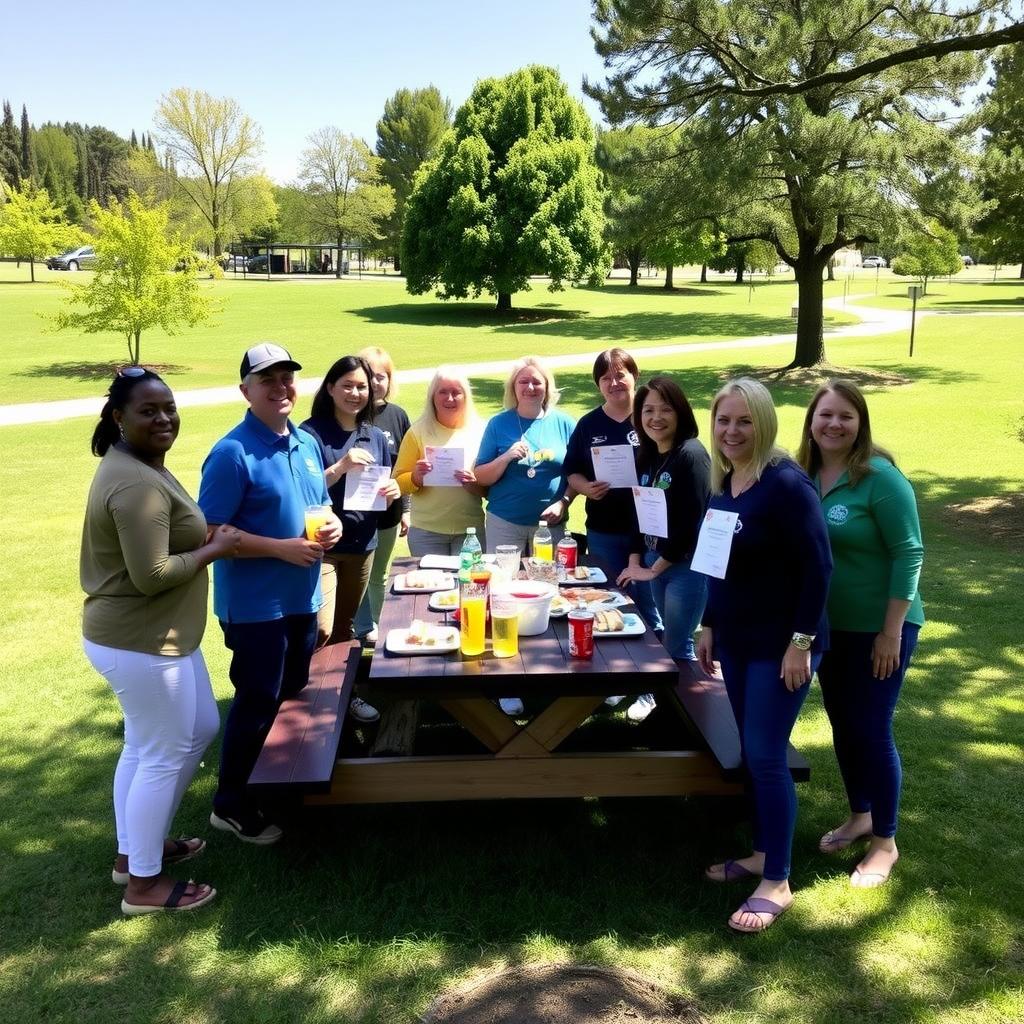
In my experience, a simple thank-you lunch after a big event made volunteers feel seen and eager to return. Small gestures go a long way.
Integrating Service Learning in Education
Service learning blends volunteering with education, teaching students skills while serving the community. Service Learning in Education: Best Practices emphasizes hands-on projects that connect to classroom lessons. For example, a biology class might volunteer at a local wetland restoration to learn about ecosystems.
To integrate service learning: - Align with Curriculum: Ensure projects reinforce academic goals. - Partner with Organizations: Work with nonprofits to provide structured opportunities. - Reflect on Experiences: Have students journal or discuss how volunteering impacted them.
A study from the University of Michigan shows service learning boosts student engagement by 40%. It’s a powerful way to show Why Service Learning Changes Lives by connecting theory to real-world impact.
Common Challenges and Solutions
Volunteer management isn’t without hurdles. Here are common issues and how to tackle them:
- Challenge: Volunteer Burnout
- Solution: Offer flexible schedules and avoid overloading individuals.
- Challenge: Miscommunication
- Solution: Use clear, centralized communication tools like group chats or project management apps.
- Challenge: Lack of Engagement
- Solution: Create a sense of community through team-building and recognition.
When I managed a team for a charity walk, we faced no-shows. By following up with volunteers beforehand and confirming their roles, we reduced absences the next year.
Summary
Effective volunteer management transforms good intentions into lasting impact. By recruiting thoughtfully, training thoroughly, organizing efficiently, and appreciating consistently, you can build a thriving volunteer program. Whether you’re organizing a community service event or implementing Service Learning in Education: Best Practices, these strategies ensure success. Visit Guide to Effective Volunteer Management - https://example.com/volunteer-management for more tools and resources to get started.