A Guide to Mentoring Students in Your Field of Expertise
Discover how to effectively mentor students in your field, leveraging skill-based volunteering to make a lasting impact on education and personal growth.
5 min read

Overview
Mentoring students in your field of expertise is a rewarding way to share your knowledge, skills, and experience while making a positive impact on the next generation. Whether you're a seasoned professional or just starting out, mentoring can help you develop your leadership and communication skills, expand your network, and give back to your community. In this guide, we'll explore the benefits of mentoring, provide tips for being an effective mentor, and discuss how skill-based volunteering in education can enhance the mentoring experience. We'll also address common challenges and offer solutions to help you navigate the mentoring journey. By the end of this article, you'll have a comprehensive understanding of how to mentor students effectively and make a meaningful difference in their lives.

What is Mentoring?
Mentoring is a relationship between a more experienced individual (the mentor) and a less experienced individual (the mentee) in which the mentor provides guidance, support, and advice to help the mentee develop their skills, knowledge, and confidence. In the context of education, mentoring can take many forms, such as one-on-one sessions, group mentoring, or online mentoring. The goal of mentoring is to help students achieve their academic and professional goals, build their self-esteem, and prepare them for future success.
Why Mentor Students?
Mentoring students offers numerous benefits for both mentors and mentees. For mentors, it provides an opportunity to:
- Share their expertise and experience
- Develop leadership and communication skills
- Expand their professional network
- Give back to their community
- Enhance their resume and professional reputation
For mentees, mentoring can:
- Improve academic performance
- Increase self-confidence and motivation
- Provide exposure to new ideas and perspectives
- Help them develop critical thinking and problem-solving skills
- Prepare them for future career opportunities

How to Be an Effective Mentor
Being an effective mentor requires a combination of skills, knowledge, and attitudes. Here are some tips to help you get started:
- Set clear goals and expectations: Establish specific, measurable, achievable, relevant, and time-bound (SMART) goals with your mentee to ensure you're both on the same page.
- Listen actively: Pay attention to your mentee's needs, concerns, and aspirations, and respond in a supportive and non-judgmental way.
- Provide constructive feedback: Offer feedback that is specific, timely, and actionable, and focus on the mentee's strengths and areas for improvement.
- Foster a supportive relationship: Create a safe and inclusive environment where your mentee feels comfortable sharing their thoughts and feelings.
- Be a role model: Demonstrate the behaviors and attitudes you want your mentee to emulate, such as professionalism, integrity, and resilience.
- Encourage self-reflection: Help your mentee develop their self-awareness and critical thinking skills by encouraging them to reflect on their experiences and learning.
- Celebrate successes: Acknowledge and celebrate your mentee's achievements, no matter how small, to boost their confidence and motivation.
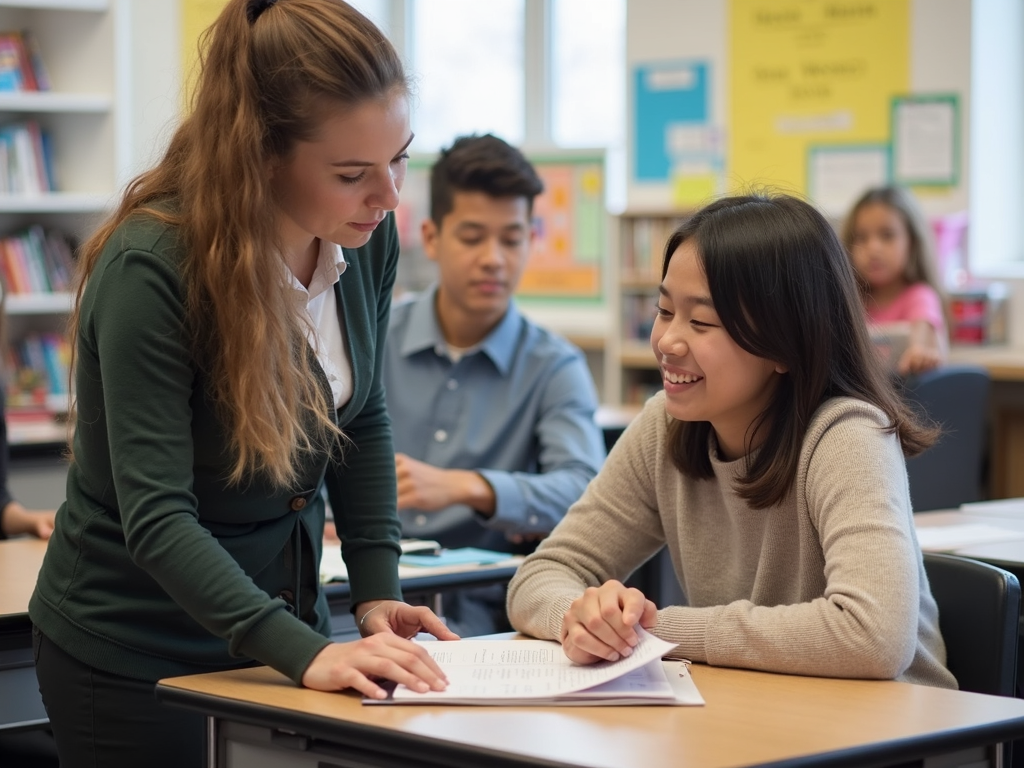
Skill-Based Volunteering in Education
Skill-based volunteering in education involves using your professional skills and expertise to support educational initiatives, such as mentoring students. This type of volunteering can take many forms, including:
- Providing career guidance and advice
- Offering technical training or workshops
- Supporting curriculum development
- Assisting with research projects
- Participating in mentorship programs
By engaging in skill-based volunteering, you can make a meaningful impact on students' lives while also developing your own skills and network. According to a study by the National Mentoring Partnership, students who are mentored are more likely to graduate from high school, attend college, and achieve their career goals.
Challenges and Solutions
Mentoring students can be a rewarding experience, but it's not without its challenges. Some common challenges include:
- Time constraints: Balancing mentoring with other professional and personal commitments can be difficult. To overcome this, set realistic expectations and prioritize your mentoring activities.
- Communication barriers: Differences in communication styles, language, or cultural backgrounds can hinder effective mentoring. To address this, be patient, use clear and simple language, and seek to understand your mentee's perspective.
- Lack of resources: Limited access to resources, such as funding or technology, can limit the scope of your mentoring activities. To mitigate this, explore alternative resources, such as online platforms or community partnerships.
- Mentee engagement: Keeping mentees engaged and motivated can be challenging, especially if they're not seeing immediate results. To combat this, set achievable goals, provide regular feedback, and celebrate small wins.

Case Studies or Examples
To illustrate the impact of mentoring, let's look at a few real-life examples:
- Example 1: A software engineer mentors a high school student interested in computer science. Through regular meetings and hands-on projects, the student develops their coding skills and gains confidence in their abilities. The student eventually wins a scholarship to attend a top university and pursues a career in technology.
- Example 2: A marketing professional volunteers to mentor a group of college students working on a business plan competition. The mentor provides guidance on market research, branding, and presentation skills, helping the students refine their idea and win the competition.
- Example 3: A retired teacher mentors a new teacher in their school district. The mentor shares their experience and expertise, helping the new teacher navigate the challenges of teaching and develop their pedagogical skills.
These examples demonstrate the transformative power of mentoring and the positive impact it can have on students' lives.

Resources and Tools
There are many resources and tools available to support mentoring activities, including:
- Mentoring platforms: Online platforms, such as MentorNet or iMentor, connect mentors with mentees and provide tools for communication and goal-setting.
- Professional associations: Many professional associations, such as the American Psychological Association or the National Society of Professional Engineers, offer mentoring programs and resources for their members.
- Educational institutions: Colleges and universities often have mentoring programs or career services that can connect students with mentors in their field.
- Government initiatives: Government agencies, such as the U.S. Department of Education or the National Science Foundation, provide funding and resources for mentoring programs.
By leveraging these resources and tools, you can enhance your mentoring experience and make a greater impact on your mentees.
Summary
Mentoring students in your field of expertise is a powerful way to share your knowledge, skills, and experience while making a positive impact on the next generation. By setting clear goals, providing constructive feedback, and fostering a supportive relationship, you can help students achieve their academic and professional goals. Skill-based volunteering in education can enhance the mentoring experience and provide opportunities for personal and professional growth. While mentoring can be challenging, the rewards are well worth the effort. By leveraging resources and tools, you can make a meaningful difference in the lives of students and contribute to a brighter future.