The Transformative Health Benefits of Volunteering: A Path to Wellness
Discover how volunteering boosts mental and physical health, reduces stress, and fosters purpose. Backed by research from the Corporation for National and Community Service and NAMI, this article explores the science and personal impact of giving back.
4 min read
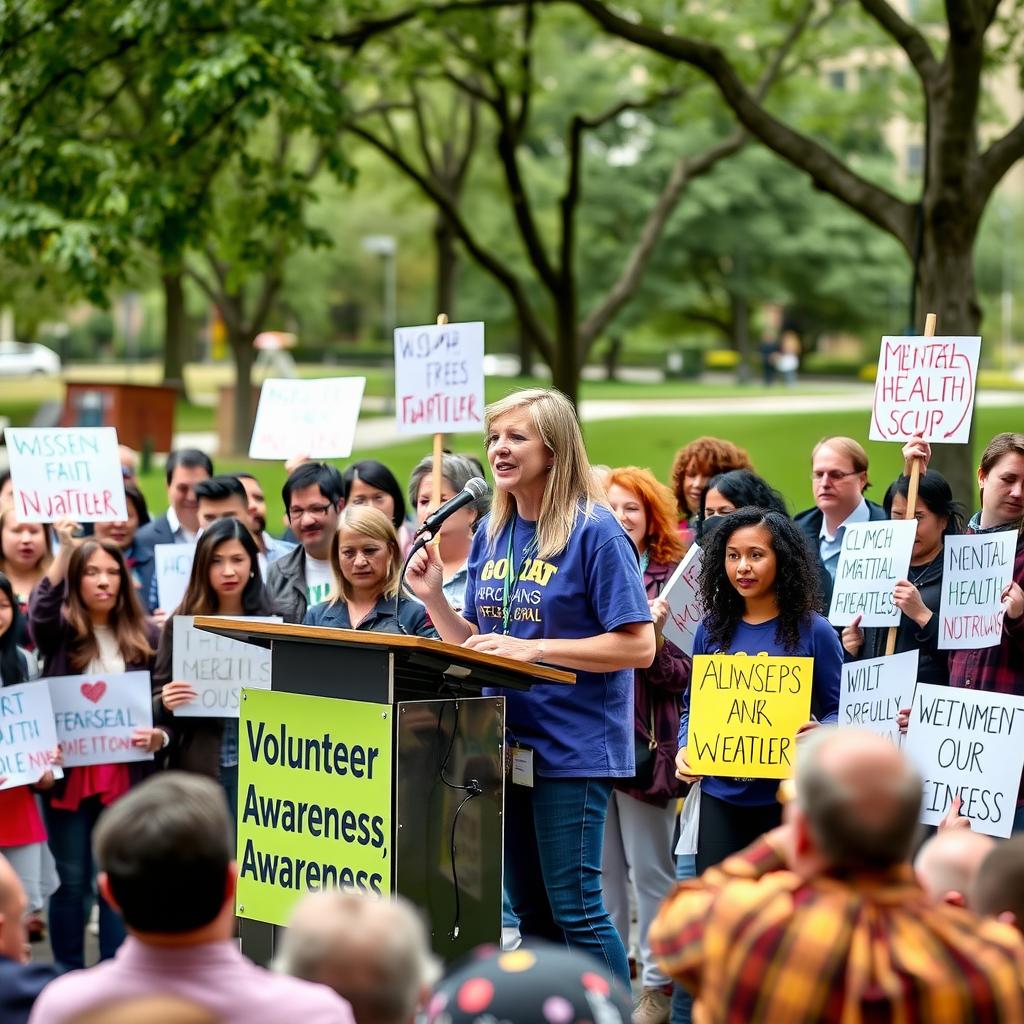
Overview
Volunteering isn’t just about helping others—it’s a powerful way to improve your own health and well-being. From reducing stress to boosting happiness, giving your time can transform your life. Backed by studies like The Health Benefits of Volunteering by the Corporation for National and Community Service, this article dives into why volunteering is a win for everyone.
Why Volunteering Feels So Good
When you volunteer, something amazing happens. You’re not just sorting donations or planting trees—you’re tapping into a deep well of human connection. I remember my first time volunteering at a local food bank. The gratitude in people’s eyes and the camaraderie with fellow volunteers left me energized in a way I hadn’t expected. Research backs this up. According to The Health Benefits of Volunteering by the Corporation for National and Community Service, volunteering is linked to better mental and physical health, especially for older adults. Their 2007 study found that volunteers report lower rates of depression and higher life satisfaction.
Mental Health Boosts from Giving Back
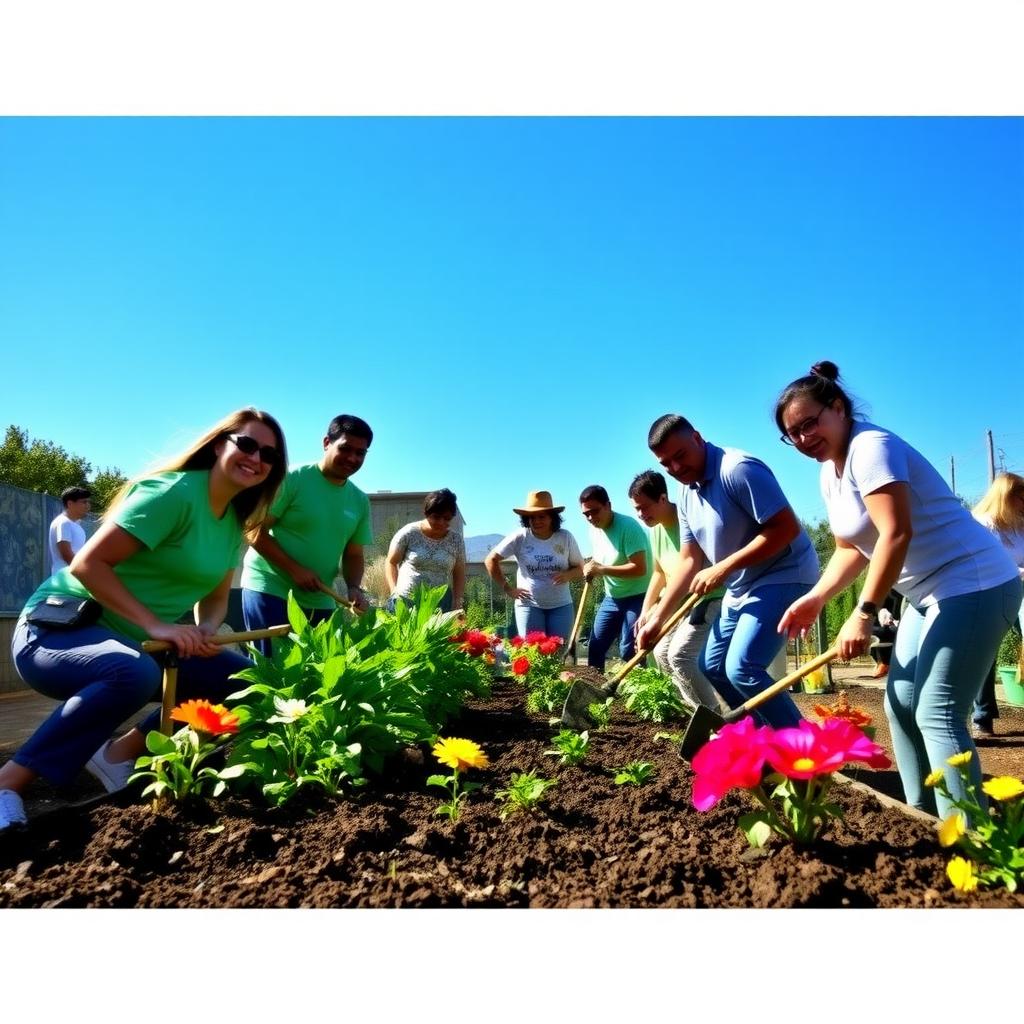
Volunteering can be a lifeline for your mind. The act of helping others releases feel-good chemicals like dopamine and serotonin in your brain. A 2020 study from the University of Oxford found that people who volunteer at least once a month report better mental health than those who don’t. This aligns with insights from NAMI: How Volunteering Improves Mental Health (NAMI Blog), which highlights how volunteering reduces stress and anxiety. For someone like Trish Lockard, a NAMI volunteer, giving back became a form of self-care after her family’s struggles with mental illness. She found purpose and calm through her work, proving that helping others can heal you too.
Reducing Stress and Anxiety
Volunteering pulls you out of your own head. When you focus on others, your worries take a backseat. The Corporation’s study showed that volunteers, especially those over 65, experience lower stress levels and fewer anxiety symptoms. I’ve felt this myself—organizing a charity run left me too busy to dwell on daily frustrations. The physical activity and social bonds formed during volunteering amplify these effects, creating a cycle of positivity.
Building Confidence and Purpose
There’s something empowering about making a difference. Whether you’re tutoring kids or advocating for a cause, volunteering builds confidence. The Mental Health Benefits of Volunteer Work are clear: it fosters a sense of pride and identity. NAMI’s blog notes that for people with mental health challenges, volunteering can boost self-esteem and provide a sense of purpose. I saw this in a friend who started volunteering at an animal shelter. She went from feeling lost to beaming with pride as she helped pets find homes.
Physical Health Perks
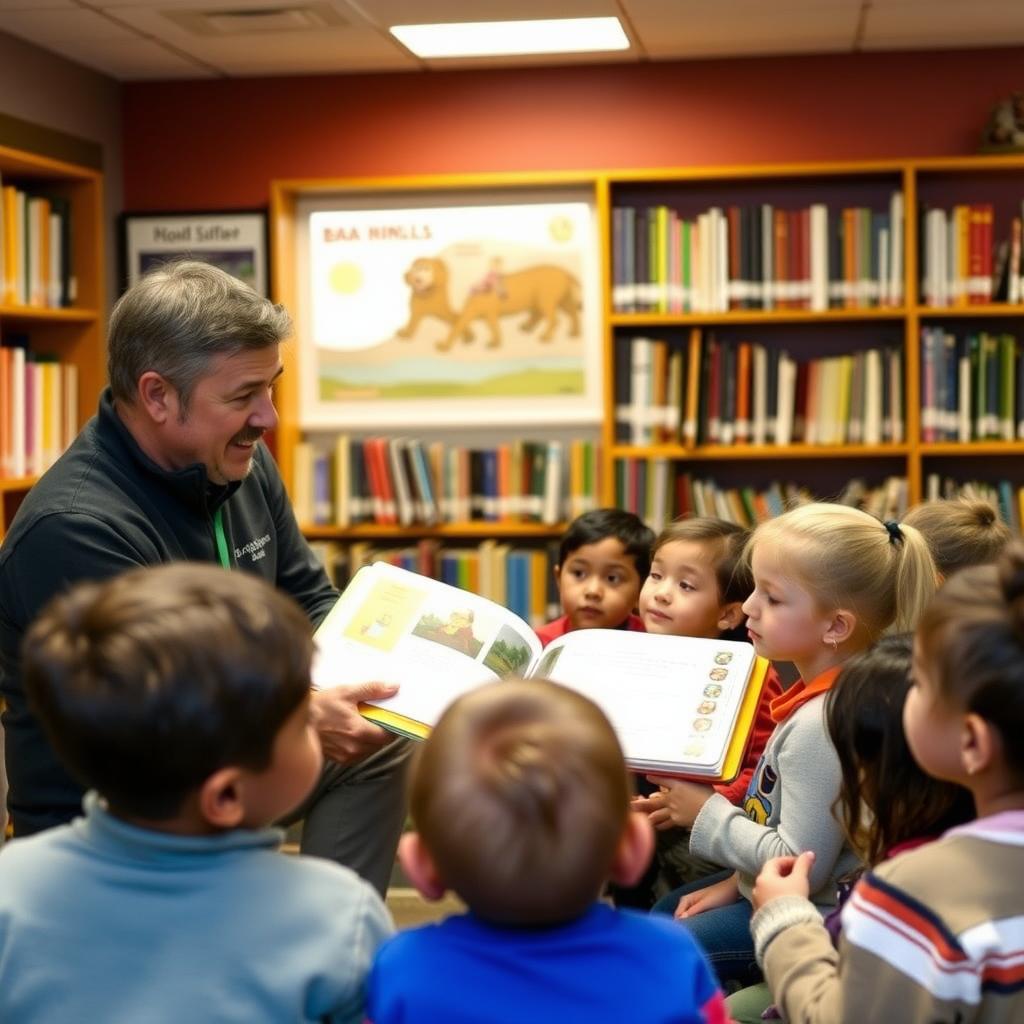
Volunteering isn’t just good for your mind—it’s great for your body too. The Corporation’s report found that older volunteers have lower mortality rates and better physical health than non-volunteers. Activities like building homes or cleaning up parks keep you active, which can reduce the risk of heart disease and stroke. A Mayo Clinic Health System article explains that volunteering increases physical activity, which boosts overall health. I’ve noticed this myself—after a day of painting community center walls, I felt stronger and slept better.
Social Connections and Longevity
Humans are wired for connection, and volunteering builds strong social ties. The Corporation’s study showed that volunteers often feel less isolated, which is critical for mental and physical health. Loneliness can increase the risk of chronic illnesses, but volunteering creates a sense of community. I’ve made lifelong friends while volunteering at local events, and those bonds have kept me grounded during tough times.
Advocacy Meets Volunteering
Volunteering can also be a platform for advocacy, amplifying your impact. The National Council of Nonprofits explains How to Blend Advocacy with Volunteering, noting that combining service with speaking out on issues like mental health or environmental conservation creates systemic change. For example, NAMI volunteers often advocate for better mental health policies while supporting individuals through their helpline. This dual role not only helps others but also deepens your sense of purpose.
A Path to Self-Discovery
Volunteering is more than a health boost—it’s a journey of self-discovery. The Power of Volunteering: A Path to Self-Discovery resonates with many who find new passions through service. When I started volunteering, I didn’t expect to uncover a love for community organizing. Each task, from planning events to mentoring youth, revealed strengths I didn’t know I had. A 2023 study from the American Psychological Association found that volunteering fosters resilience, helping people cope with life’s challenges.

How to Get Started
Ready to experience these benefits? Start small. Look for opportunities at local nonprofits, schools, or places of worship. The Corporation’s report emphasizes that even a few hours a month can make a difference. Websites like VolunteerMatch connect you with causes that match your interests. If mental health is your passion, consider joining NAMI’s helpline, where you can support others from home. Reflect on what matters to you—whether it’s the environment, education, or health—and find a role that fits.
Tips for Meaningful Volunteering
- Choose a Cause You Care About: Passion keeps you motivated.
- Start Small: A few hours a month can have a big impact.
- Connect with Others: Build relationships with fellow volunteers.
- Reflect on Your Experience: Journaling can help you process the emotional rewards.
- Advocate as You Serve: Use your voice to push for change, as suggested by the National Council of Nonprofits.
Final Thoughts
Volunteering is a gift that keeps giving. It strengthens your body, lifts your mood, and connects you to others. Studies like The Health Benefits of Volunteering by the Corporation for National and Community Service and NAMI’s insights show that giving back is a powerful tool for personal growth. Whether you’re sorting donations or advocating for change, every small act counts. Start today, and you might just discover a healthier, happier you.