The Hidden Benefits of Volunteering: What You Gain by Giving
Discover the hidden benefits of volunteering, from personal growth to community impact. Learn how skill-based volunteering in education and beyond boosts skills, networks, and well-being while driving positive change.
5 min read
Overview
Volunteering is more than just giving your time—it’s a powerful way to grow personally, build skills, and strengthen communities. The Hidden Benefits of Volunteering: What You Gain by Giving go beyond the feel-good factor, offering rewards like improved mental health, professional development, and lasting connections. This article explores how volunteering transforms lives and communities.
Why Volunteering Matters
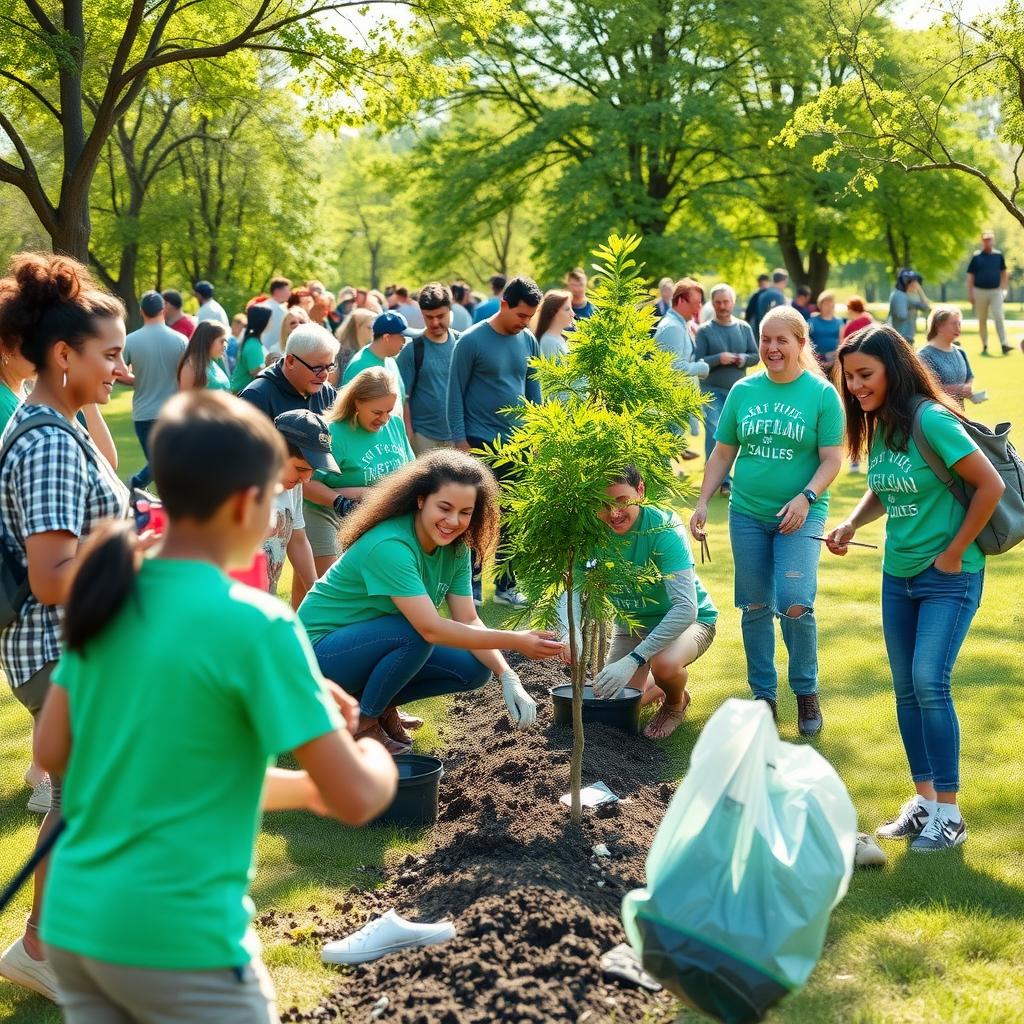
When you think of volunteering, you might picture serving meals at a shelter or cleaning up a park. While these acts are vital, the impact of volunteering runs deeper. It’s a two-way street: you give your time and energy, but you gain just as much—if not more—in return. From sharpening your skills to boosting your mood, volunteering offers surprising rewards.
Studies show that volunteering can improve mental and physical health. According to a report from the Corporation for National and Community Service, volunteers experience lower stress levels and a greater sense of purpose. This isn’t just anecdotal—data backs it up. People who volunteer regularly report feeling happier and more connected to others.

Personal Growth Through Volunteering
One of the biggest hidden benefits of volunteering is how it shapes you as a person. When you step out of your comfort zone to help others, you learn about yourself. You discover strengths you didn’t know you had, like patience or problem-solving. For example, I once volunteered at a local food bank and found myself organizing a chaotic donation drive. I had no prior experience, but I learned how to coordinate teams and manage time under pressure.
Volunteering also builds empathy. Working with people from different backgrounds opens your eyes to new perspectives. Whether you’re tutoring kids or helping at a senior center, you gain a deeper understanding of others’ struggles and joys. This emotional intelligence carries over into your personal and professional life, making you a better listener and collaborator.
Skill-Based Volunteering: A Game-Changer
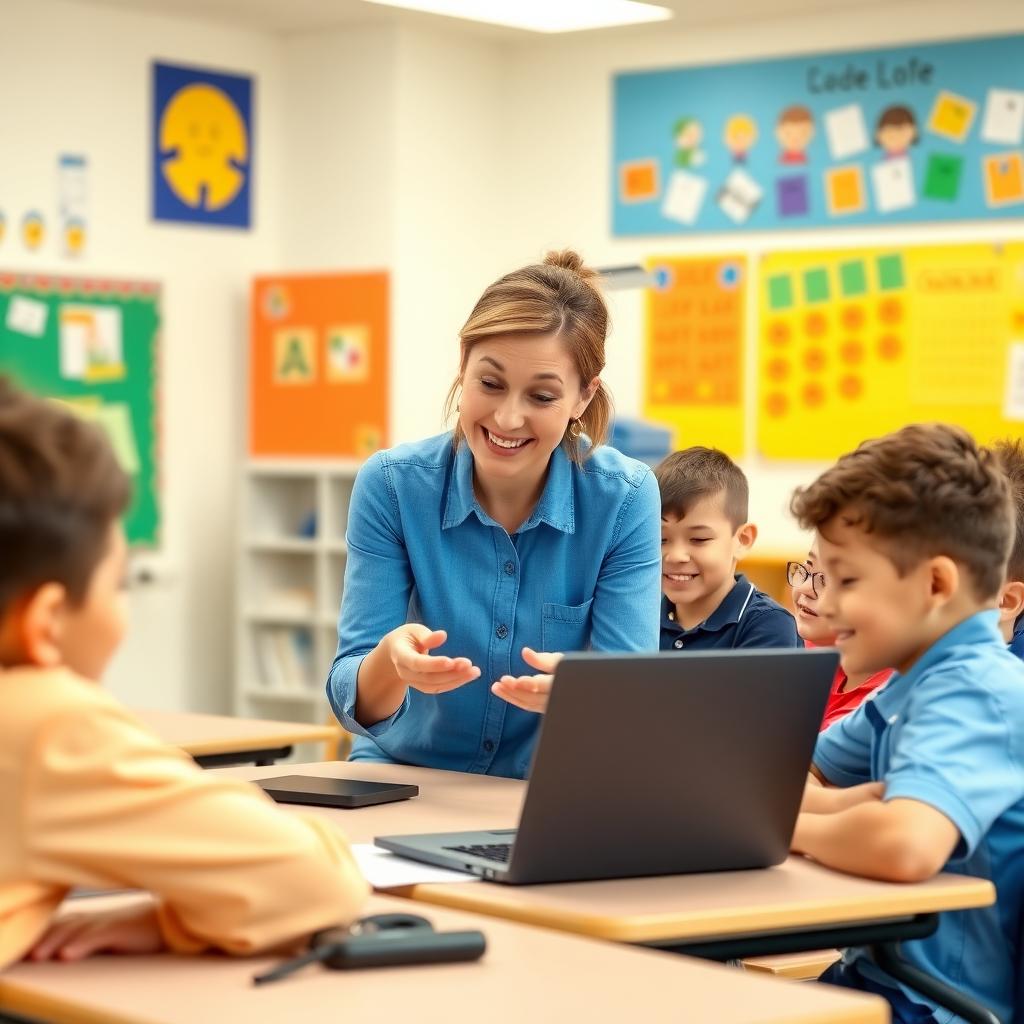
Not all volunteering involves manual tasks. Skill-based volunteering lets you use your professional expertise to make a difference. For instance, skill-based volunteering in education is a growing trend where professionals like teachers, writers, or tech experts share their knowledge. A graphic designer might create materials for a nonprofit school, or an accountant could help a community center manage its budget.
This type of volunteering is a win-win. You contribute to a cause while honing your skills. A study from the University of Pennsylvania found that skill-based volunteers often report increased confidence in their professional abilities. Plus, it’s a chance to try new roles. If you’re a marketer volunteering to manage a charity’s social media, you might experiment with strategies you wouldn’t use at your day job. This builds your portfolio and makes you more marketable.
Examples of Skill-Based Volunteering
Here’s how different professionals can get involved: - Teachers: Tutor students in underserved schools. - IT Professionals: Build websites for nonprofits. - Writers: Create grant proposals for community projects. - Engineers: Design sustainable solutions for local infrastructure.
These opportunities not only help the community but also let you test your skills in real-world settings.
The Impact of Volunteering on Community Development
Volunteering doesn’t just change you—it transforms communities. The Impact of Volunteering on Community Development is profound, as it addresses local needs directly. For example, volunteers who mentor youth can reduce dropout rates. A report from Harvard University shows that mentored students are more likely to graduate and pursue higher education.
Communities also gain economically. Volunteers save organizations money by providing free labor, allowing nonprofits to allocate funds to critical areas like food programs or housing. Beyond economics, volunteering fosters unity. When people work together on a shared goal, like rebuilding a community center, they build trust and pride in their neighborhood. I’ve seen this firsthand at a community garden project, where strangers became friends while planting vegetables for local families.
Networking and Career Benefits
Volunteering is a goldmine for building connections. You meet people from all walks of life—fellow volunteers, organizers, and community leaders. These relationships can lead to job opportunities or collaborations. For instance, a friend of mine volunteered at a charity event and met a recruiter who later offered her a job.
It’s also a low-pressure way to explore new career paths. If you’re curious about nonprofit work, volunteering gives you a front-row seat. You can test the waters without quitting your day job. Plus, volunteering looks great on a resume. Employers value candidates who show initiative and a commitment to helping others.
Mental and Physical Health Boosts
Volunteering is good for your body and mind. It reduces stress by giving you a sense of purpose. When you help others, your brain releases dopamine, the “feel-good” chemical. A study from the National Institutes of Health found that regular volunteers have lower blood pressure and live longer than non-volunteers.
Physically, volunteering keeps you active. Whether you’re building houses or walking dogs at a shelter, you’re moving more than you would on a couch. Mentally, it combats loneliness. In a world where isolation is common, volunteering connects you to a community, fostering a sense of belonging.
How to Get Started
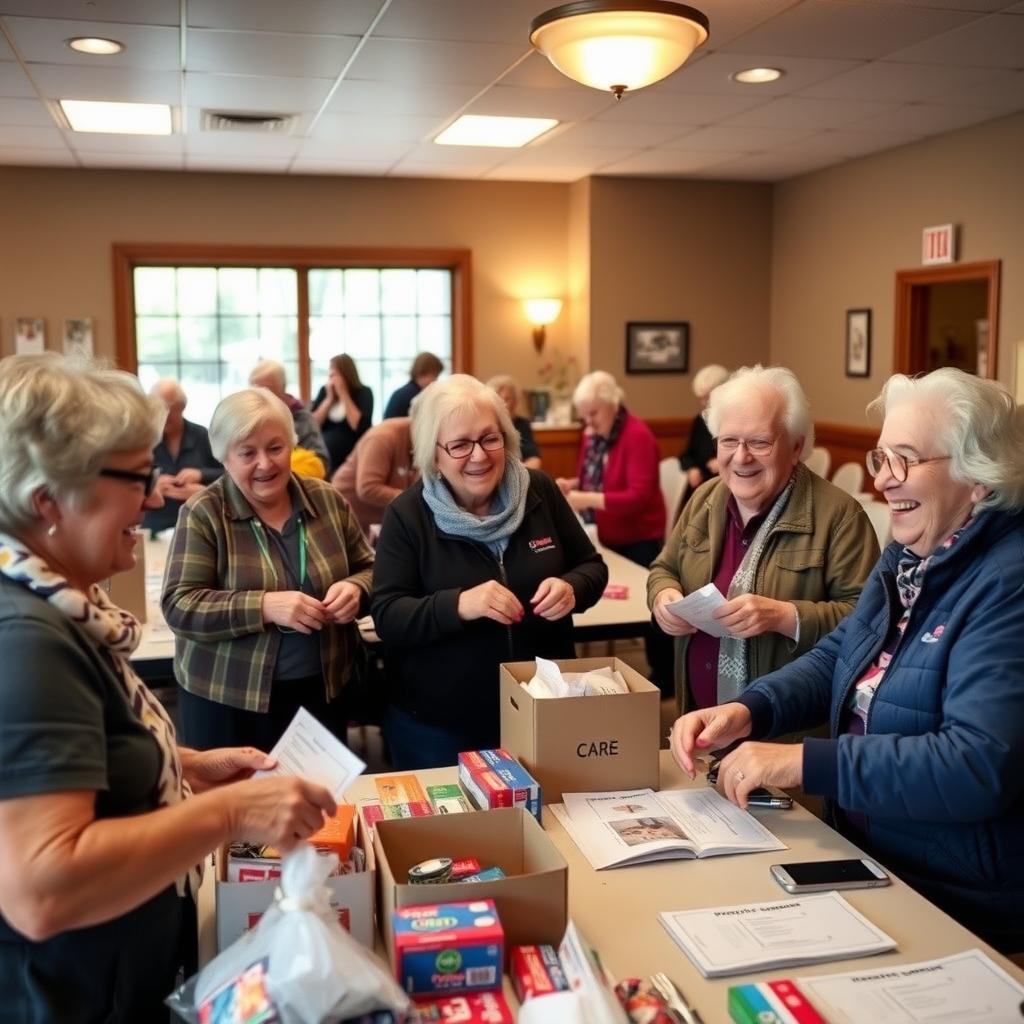
Ready to volunteer? Start small. Look for opportunities that match your interests or skills. Websites like VolunteerMatch can connect you with local organizations. If you’re new to volunteering, try a one-day event, like a beach cleanup, to dip your toes in.
Here’s a quick guide: 1. Identify Your Passion: Love animals? Try a shelter. Care about education? Tutor kids. 2. Use Your Skills: Offer your expertise through skill-based volunteering. 3. Set a Schedule: Even a few hours a month can make a difference. 4. Join a Group: Team up with friends or coworkers for a fun experience.
Don’t overthink it—just start. The rewards will surprise you.
Summary
The Hidden Benefits of Volunteering: What You Gain by Giving are vast. From personal growth and new skills to better health and stronger communities, volunteering is a powerful force for good. Whether you’re sharing expertise through skill-based volunteering in education or planting trees, you’re making a difference—while growing yourself. Start today and see how giving transforms your life.