The History of Social Movements: Lessons for Today’s Advocates
Explore the history of social movements, their impact on change, and lessons for modern advocates. Learn how volunteer advocacy initiatives drive progress and discover actionable insights for today’s activists.
4 min read
Overview
Social movements have shaped the world for centuries, pushing for equality, justice, and change. From civil rights to environmental activism, these efforts show the power of collective action. The History of Social Movements: Lessons for Today’s Advocates reveals how past struggles inform modern advocacy and inspire volunteer efforts for a better future.
The Roots of Social Movements
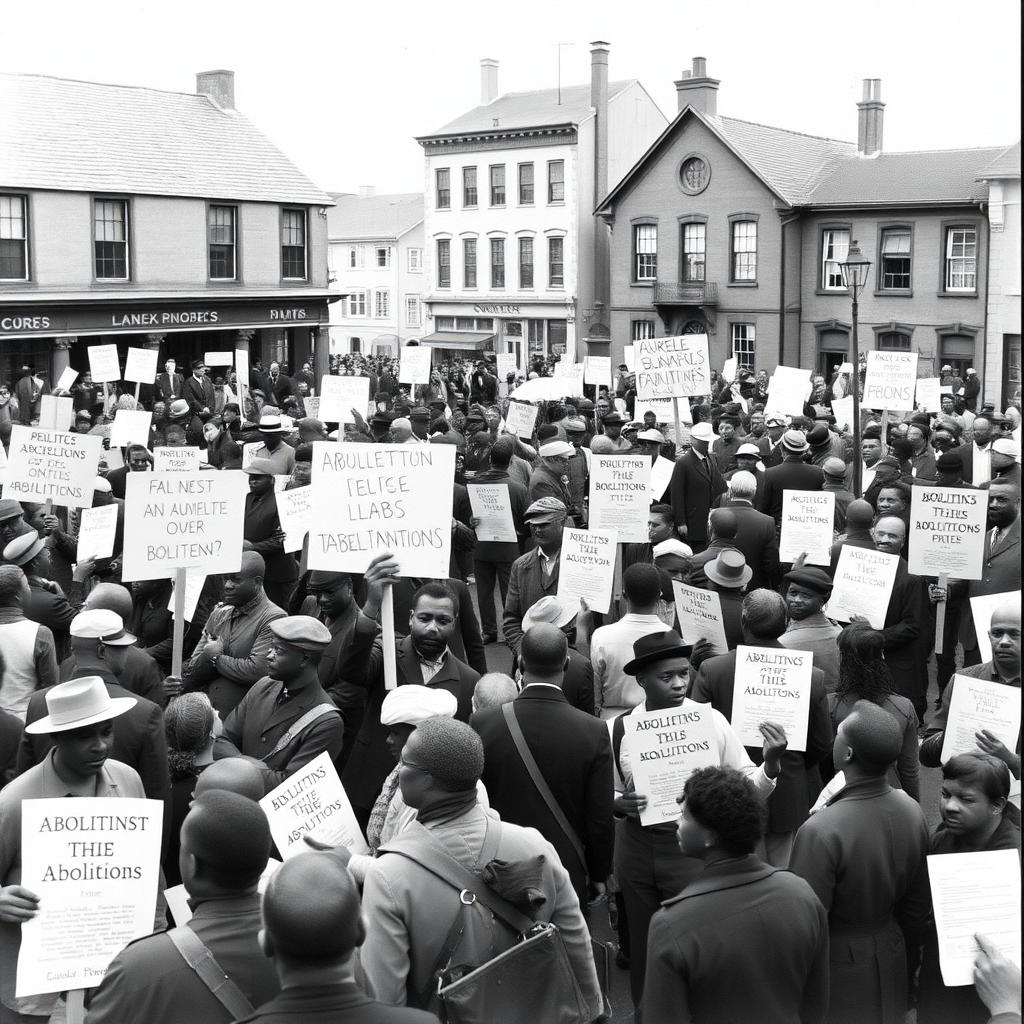
Social movements arise when people unite to address injustice or demand change. They often start small—a group of passionate individuals—but can grow to reshape societies. The earliest movements, like the abolitionist campaigns of the 19th century, relied on grassroots efforts. Ordinary people, not just leaders, drove change through protests, petitions, and storytelling.
Take the abolition of slavery in the United States. Volunteers spread pamphlets, gave speeches, and risked their lives to shift public opinion. According to Stanford University’s research on social movements, these early efforts succeeded because they combined moral arguments with strategic organizing. Advocates didn’t just preach; they built networks, much like today’s activists use social media.

The Impact of Advocacy on Social Change
Advocacy is the heartbeat of social movements. It’s not just about raising awareness—it’s about pushing for concrete results. The Impact of Advocacy on Social Change is evident in milestones like the women’s suffrage movement. In the early 20th century, suffragists organized marches, lobbied governments, and endured arrests to secure voting rights. Their persistence paid off: the 19th Amendment in the U.S. was ratified in 1920.
What made these movements effective? They had clear goals, like passing specific laws, and they mobilized diverse groups. Volunteers were key. They didn’t need fancy titles—just a willingness to show up. Today’s advocates can learn from this: focus on measurable outcomes and rally broad support.
Key Lessons from Past Movements
Studying history offers practical lessons for today’s advocates. Here are three big takeaways:
- Build Coalitions: Successful movements, like the Civil Rights Movement of the 1960s, thrived on alliances. Leaders like Martin Luther King Jr. worked with churches, students, and labor unions. The University of Michigan’s archives highlight how these partnerships amplified impact.
- Stay Persistent: Change takes time. The environmental movement, sparked by Rachel Carson’s Silent Spring in 1962, took decades to influence policies like the Clean Air Act. Advocates must keep pushing, even when progress feels slow.
- Use Stories: People connect with emotions. Movements like #MeToo gained traction by sharing personal stories, much like abolitionists used slave narratives to humanize their cause.

Volunteer Advocacy Initiatives for Social Change
Volunteers are the backbone of any movement. Volunteer advocacy initiatives for social change range from local cleanups to global campaigns. For example, organizations like Greenpeace rely on volunteers to organize protests and educate communities. In 2023, Greenpeace reported that over 100,000 volunteers worldwide contributed to their climate campaigns.
Volunteering doesn’t require expertise. Simple actions—like joining a community march, writing to lawmakers, or sharing resources online—make a difference. The key is consistency. Small, steady efforts build momentum, just as they did in historical movements.
How Modern Advocates Can Apply These Lessons
Today’s advocates have tools that past generations couldn’t imagine. Social media platforms like X amplify voices, letting activists reach millions instantly. But the core principles remain the same:
| Strategy | Historical Example | Modern Application |
|---|---|---|
| Clear Goals | Suffrage movement’s push for the 19th Amendment | Campaign for specific policies, like carbon emission reductions |
| Coalition Building | Civil Rights Movement’s diverse alliances | Partner with local businesses or schools for broader impact |
| Storytelling | Abolitionist narratives | Share personal stories on X to humanize issues |
Modern advocates should also embrace volunteer advocacy initiatives for social change. Join local groups, attend town halls, or start online campaigns. The Center for American Progress emphasizes that grassroots efforts still drive policy change, even in a digital age.

Challenges and Opportunities Today
Advocacy isn’t easy. Movements face pushback, from government restrictions to public apathy. Yet challenges create opportunities. For example, the Black Lives Matter movement, founded in 2013, faced criticism but sparked global conversations about systemic racism. Its success came from blending online activism with on-the-ground protests.
Today’s advocates can seize opportunities by: - Leveraging Technology: Use X to share real-time updates or organize virtual events. - Focusing Locally: Change often starts in communities. Volunteer at local shelters or advocate for city policies. - Staying Inclusive: Ensure diverse voices are heard, as exclusion weakens movements.
Summary
The History of Social Movements: Lessons for Today’s Advocates shows that change is possible when people unite with purpose. From abolition to #MeToo, movements succeed through clear goals, coalitions, and stories. Volunteers remain essential, whether knocking on doors or posting online. By learning from the past, today’s advocates can build a brighter future.