How Civic Engagement Shapes Stronger Societies
Discover how civic engagement, including volunteering and service learning, builds stronger, more connected communities. This article explores the impact of active participation, shares personal insights, and offers practical ways to get involved, fostering unity and positive change in society.
5 min read
Overview
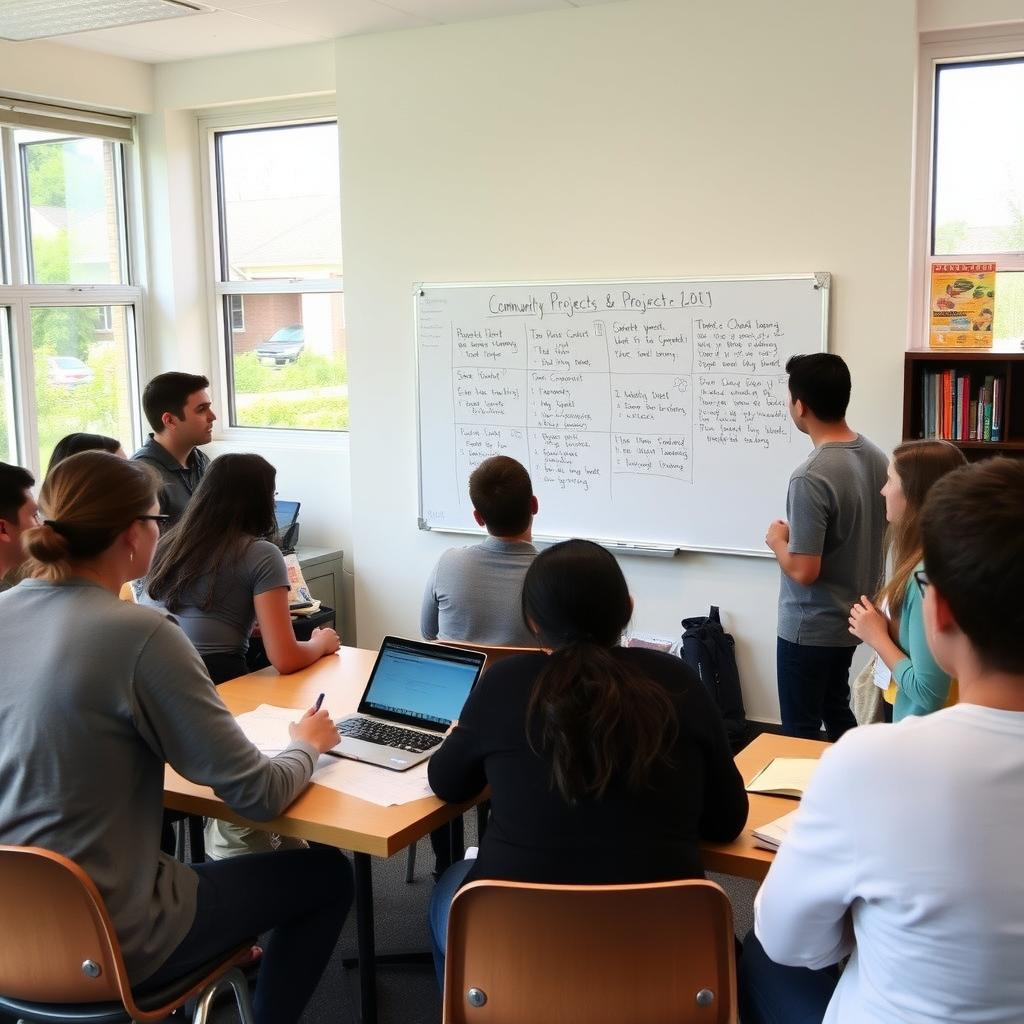
Civic engagement is the heartbeat of thriving societies. When people volunteer, vote, or participate in service learning, they create stronger, more connected communities. How Civic Engagement Shapes Stronger Societies explores why active participation matters and how it fosters unity, trust, and progress for everyone.
What Is Civic Engagement?
Civic engagement means taking an active role in your community. It’s about showing up, whether through voting, volunteering, or joining local initiatives. It’s not just for activists—it’s for anyone who cares about making their neighborhood a better place. From cleaning up a park to attending a town hall, every action counts.
At its core, civic engagement is about connection. It’s about people coming together to solve problems, share ideas, and build trust. When you volunteer at a food bank or help organize a community event, you’re not just helping others—you’re strengthening the social fabric that holds us all together.
Why Civic Engagement Matters
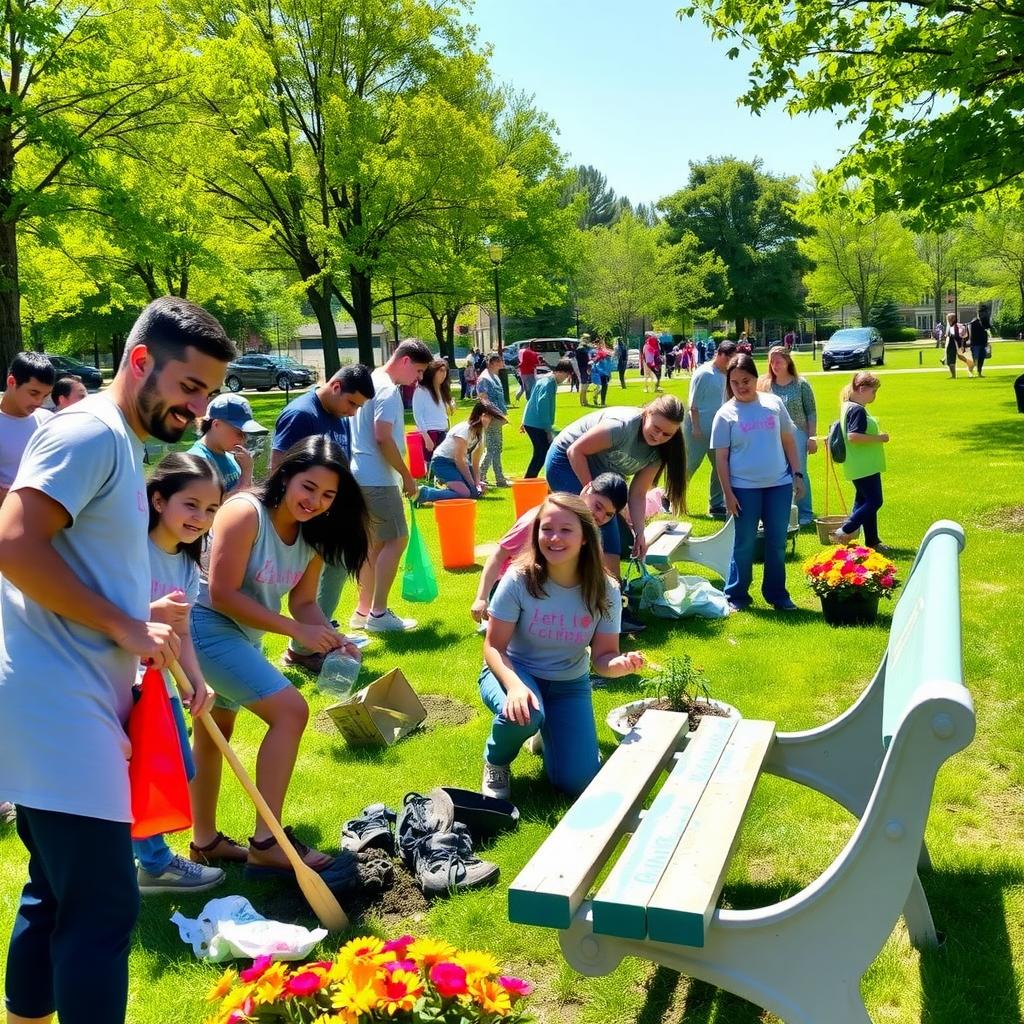
Strong societies don’t just happen—they’re built by people who care. Civic engagement creates a ripple effect. One person’s actions can inspire others, leading to widespread change. For example, when a group of neighbors organizes a cleanup, it doesn’t just make the streets look better—it builds pride and unity.
Studies show engaged communities are happier and healthier. A 2020 report from the National Conference on Citizenship found that communities with high civic participation have lower crime rates and better mental health outcomes. Why? Because people feel connected and valued when they contribute.
Engagement also bridges divides. In a polarized world, working together on a shared goal—like improving a local school—reminds us we’re not so different. It’s hard to stay angry at someone you’ve just planted a tree with.
The Power of Service Learning
Service learning is a unique form of civic engagement that combines education with action. It’s not just volunteering—it’s learning through doing. Students might clean a river while studying environmental science or tutor kids while exploring education inequalities. Service learning and civic engagement go hand in hand, teaching skills and empathy.
I remember my own experience with service learning in college. Our class partnered with a local shelter to serve meals. At first, I thought it was just a class requirement. But meeting the people we served, hearing their stories, and seeing their gratitude changed me. It wasn’t just about checking a box—it was about understanding the world in a new way.
Service learning builds critical thinking and compassion. It shows young people their actions matter. According to a 2019 study by the Corporation for National and Community Service, students who participate in service learning are more likely to vote and volunteer as adults. It’s a spark that ignites lifelong engagement.

Volunteering: The Heart of Civic Engagement
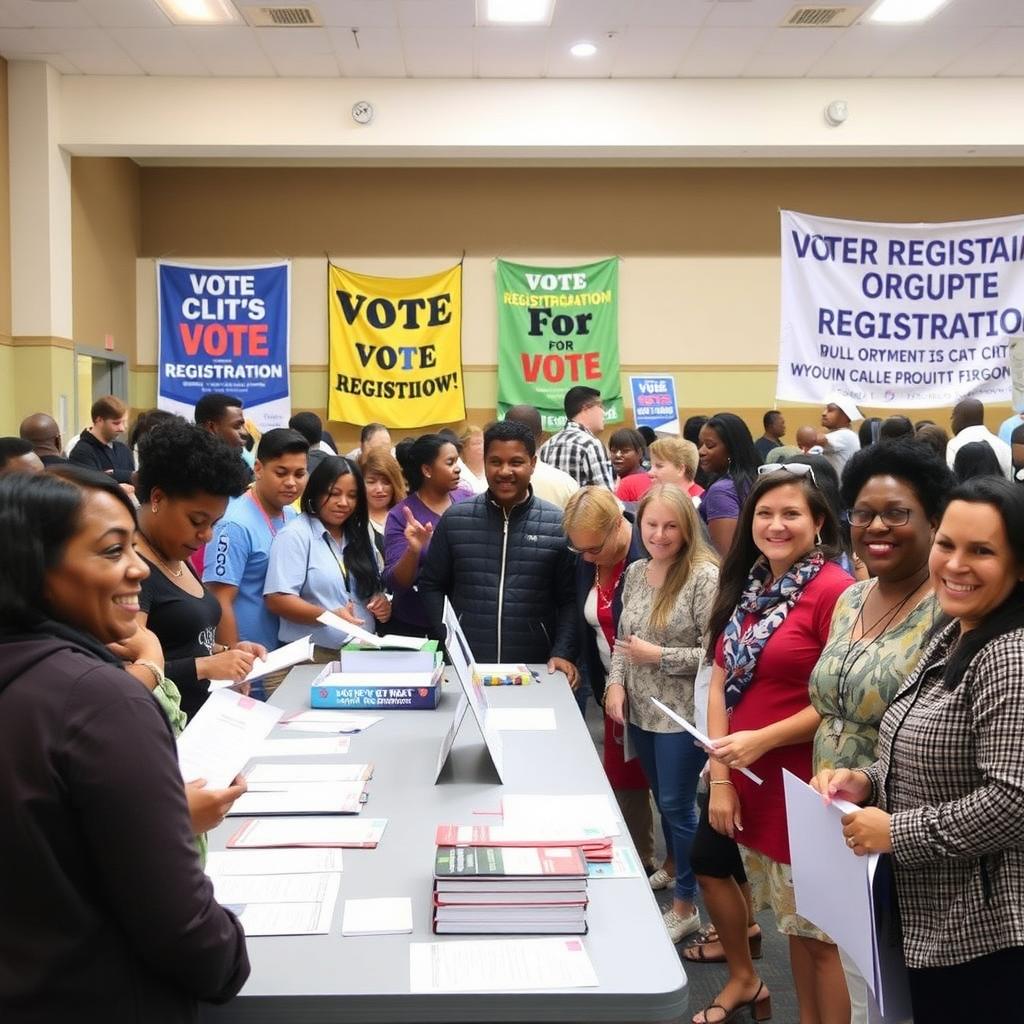
Volunteering is the most direct way to get involved. Whether it’s mentoring a child, serving at a soup kitchen, or helping at a voter registration drive, volunteering puts you in the driver’s seat of change. It’s not about grand gestures—small, consistent efforts add up.
Take my friend Sarah, for example. She started volunteering at a local animal shelter once a month. Over time, she noticed how her work helped the animals and inspired others to join. Now, the shelter has a waiting list of volunteers. One person’s commitment can create a domino effect.
Volunteering also benefits you. It reduces stress, boosts confidence, and connects you with others. A 2021 study from Harvard University found that regular volunteers report higher life satisfaction than those who don’t volunteer. It’s a win-win: you help others, and you feel better too.
How to Get Involved
Getting started is easier than you think. Here are some practical ways to engage:
- Volunteer locally: Find opportunities at community centers, libraries, or nonprofits. Websites like VolunteerMatch.org can connect you with causes you care about.
- Join a civic group: Attend town hall meetings or join a neighborhood association to have your voice heard.
- Participate in service learning: If you’re a student, ask your school about service learning programs. They’re a great way to learn and give back.
- Vote and advocate: Voting is civic engagement in action. Research candidates and issues, and encourage others to vote too.
- Start small: Even an hour a month can make a difference. Pick something you enjoy, like gardening or tutoring, and build from there.
The key is consistency. Small actions, done regularly, create lasting change. Don’t wait for the perfect moment—just start where you are.
Challenges and Solutions
Civic engagement isn’t always easy. Time constraints, lack of awareness, or feeling like your efforts won’t matter can hold people back. I’ve felt this myself—there were days I wondered if my volunteering made a dent. But every effort counts, even when it’s hard to see.
Here’s how to overcome common barriers:
| Challenge | Solution |
|---|---|
| No time | Schedule one hour a month. Treat it like an appointment. |
| Don’t know where to start | Use online platforms like VolunteerMatch or ask local organizations. |
| Feel overwhelmed | Focus on one cause you care about, like education or the environment. |
| Think it won’t matter | Track your impact—count hours volunteered or people helped. It adds up. |
Engagement doesn’t have to be perfect. It just has to be genuine. Start small, and you’ll find your rhythm.
The Ripple Effect of Civic Engagement
When people engage, societies transform. Communities with active citizens are more resilient during crises, like natural disasters or economic challenges. They’re also more inclusive, as engagement brings diverse voices together. How Civic Engagement Shapes Stronger Societies isn’t just a phrase—it’s a truth backed by action.
Think about a time you saw a community come together. Maybe it was a fundraiser for a family in need or a protest for a cause you believe in. Those moments remind us we’re stronger together. They show that one voice, one vote, or one volunteer can spark change that lasts.
Summary
Civic engagement is the foundation of strong societies. Through volunteering, service learning, and active participation, we build trust, unity, and progress. It’s not about grand gestures—it’s about showing up, again and again, to make a difference. Start small, stay consistent, and watch your community thrive.