How Grassroots Advocacy Shapes Policy: Insights from the Urban Institute
Explore how everyday volunteers drive real policy changes through grassroots advocacy. Learn key strategies, success stories, and lessons from Urban Institute research on building community power.
3 min read
Overview
Grassroots advocacy puts power in the hands of regular people. Volunteers organize, speak up, and push for changes that improve lives. Research from the Urban Institute shows how these efforts directly shape public policy and create lasting impact in communities across the country.

What Is Grassroots Advocacy?
Grassroots advocacy starts at the local level. Ordinary citizens—neighbors, parents, workers—come together to address issues they care about. They write letters, attend town halls, collect signatures, and meet with elected officials.
Unlike top-down campaigns led by big organizations, grassroots efforts grow from the ground up. People directly affected by a problem lead the charge. This approach builds trust and creates authentic voices that policymakers cannot ignore.
The Urban Institute has studied how community groups influence policy for decades. Their reports highlight that small, local actions often lead to state and national changes. When volunteers share personal stories, they humanize complex issues and move decision-makers to act.
The Power of Volunteer Advocacy: Changing Lives and Policies
Volunteers are the heart of successful advocacy. They give time, energy, and passion without pay. Their work changes policies and improves real lives.
Consider these key ways volunteers make a difference: - Build public support through door-to-door talks and social media shares - Provide firsthand testimony at hearings that statistics alone cannot match - Hold leaders accountable by tracking promises and following up - Create lasting networks that support future campaigns
The Urban Institute's Policy Change Toolkit for Community Foundations stresses that volunteers bring unique credibility. Policymakers listen when constituents show up in person and speak from experience.
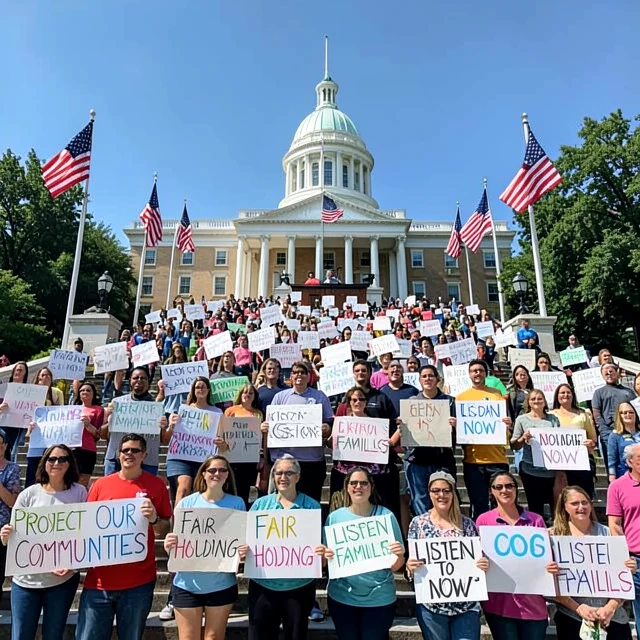
Success Stories of Advocacy Volunteers
Real examples prove the impact of grassroots work.
Mothers Against Drunk Driving (MADD) began with one grieving mother in 1980. Volunteers pushed for tougher laws nationwide. Today, drunk driving deaths have dropped more than 50 percent since MADD's founding.
Marriage equality movement: Thousands of LGBTQ+ people and allies shared stories, marched, and lobbied. Their persistent efforts led to the 2015 Supreme Court decision legalizing same-sex marriage across the United States.
Cure SMA: Families affected by spinal muscular atrophy built a powerful grassroots network. They convinced Congress to pass the 2019 law speeding up rare disease drug approvals. A life-saving treatment reached children faster because of their advocacy.
These success stories of advocacy volunteers show a clear pattern: consistent, organized effort over time creates change. The Urban Institute notes that data-driven campaigns combined with personal narratives prove especially effective.
Adaptation in Volunteer Projects: Overcoming Challenges
Advocacy work faces obstacles. Funding runs short. Volunteers burn out. Opposition pushes back. Smart groups adapt and keep moving forward.
Here are practical ways teams overcome common hurdles:
| Challenge | Adaptation Strategy | Example Outcome |
|---|---|---|
| Limited budget | Use free digital tools and partner with allies | Wider reach at lower cost |
| Volunteer fatigue | Rotate leadership roles and celebrate small wins | Higher long-term retention |
| Policy setbacks | Reframe losses as learning and build coalitions | Stronger support for next attempt |
| Changing political climate | Focus on bipartisan issues and local wins first | Steady progress despite national shifts |
The Urban Institute emphasizes flexibility. Their research on community power building shows that groups who listen to members, adjust tactics, and measure progress stay effective through tough times.

How to Start Your Own Advocacy Effort
Anyone can begin. Follow these steps inspired by Urban Institute guidance: 1. Identify a clear, specific issue affecting your community 2. Gather data and personal stories to support your case 3. Build a diverse coalition of supporters 4. Choose tactics that match your resources (letters, meetings, rallies) 5. Track progress and adjust as needed 6. Celebrate victories and share lessons learned
Final Thoughts
Grassroots advocacy proves that ordinary people hold extraordinary power. Volunteers turn passion into policy that improves lives. As the Urban Institute continues to document, when communities organize and persist, real change follows.
Start small, stay consistent, and connect with others. Your voice matters—and together, voices can reshape policy for the better.