How Professionals Can Impact Schools Beyond Teaching
Discover how professionals can transform schools through skill-based volunteering. From mentoring to project-based support, learn actionable ways to contribute expertise and make a lasting impact on education.
4 min read
Overview
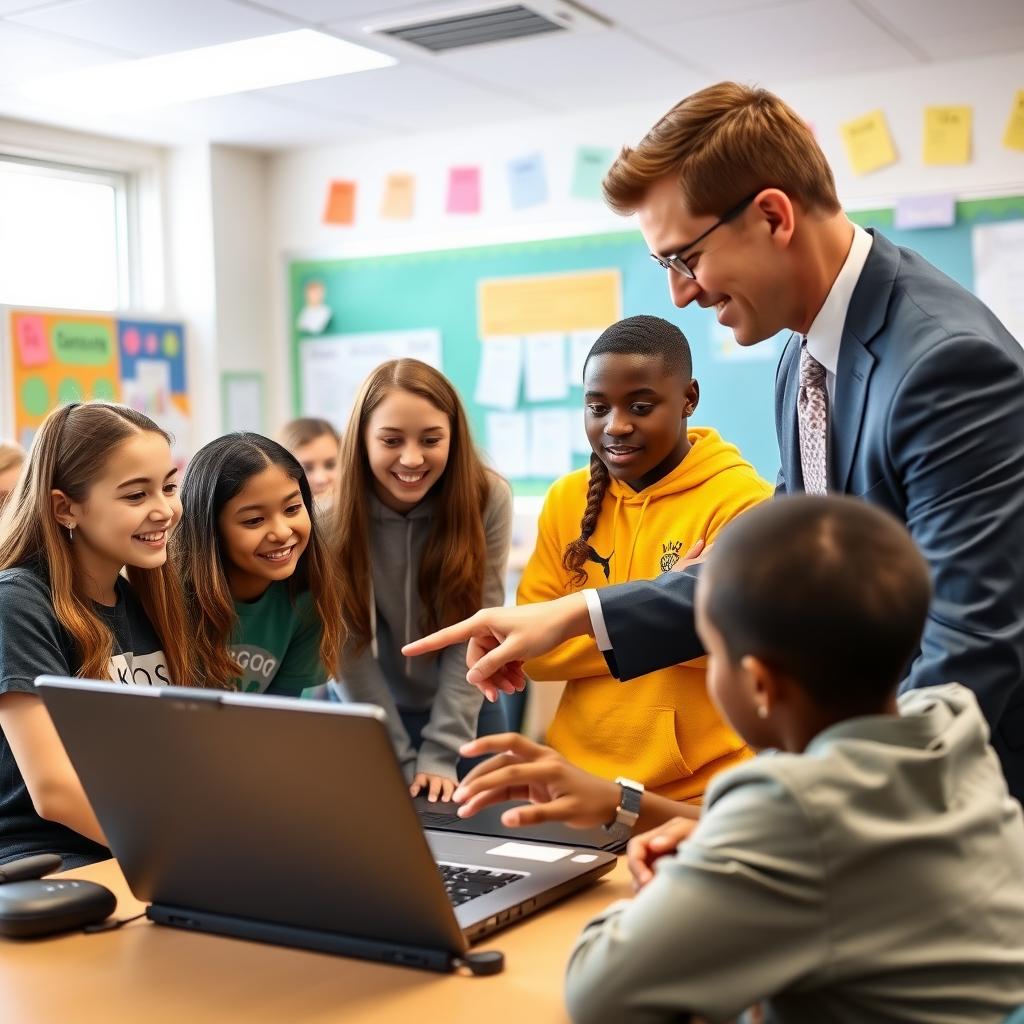
Professionals from diverse fields can shape the future of education without stepping into a classroom. By leveraging their expertise through skill-based volunteering in education, they can address school needs, inspire students, and strengthen communities. This article explores practical ways professionals can contribute, offering insights from real-world examples and actionable steps to get involved.
Why Professionals Are Vital to Schools
Schools often face resource gaps that go beyond what teachers can provide. Budget constraints, outdated technology, and limited access to specialized knowledge can hinder student success. Professionals from industries like tech, finance, or marketing can fill these gaps by sharing their skills. How Professionals Can Impact Schools Beyond Teaching lies in their ability to offer real-world expertise, exposing students to new opportunities and perspectives.
For example, a software engineer might teach coding basics to students, while a marketing professional could help a school rebrand its community outreach. These contributions don’t require teaching credentials—just a willingness to share knowledge.

Types of Skill-Based Volunteering
Skill-based volunteering allows professionals to apply their expertise in targeted ways. Here are some impactful approaches:
- Mentorship Programs: Professionals can guide students in career exploration. For instance, an architect might mentor a student interested in design, sharing insights about the industry.
- Workshops and Guest Speaking: Leading a one-day workshop on financial literacy or public speaking can spark student interest. These sessions are low-commitment but high-impact.
- Project-Based Support: Schools often need help with specific projects, like creating a website or managing a fundraiser. A professional’s expertise can make these initiatives successful.
- Board or Committee Involvement: Joining a school board or advisory committee allows professionals to influence policies and allocate resources effectively.
According to a report from the National Center for Education Statistics, schools with community partnerships see improved student engagement and resource access. Professionals can drive these outcomes by volunteering their skills.
Real-World Examples of Impact
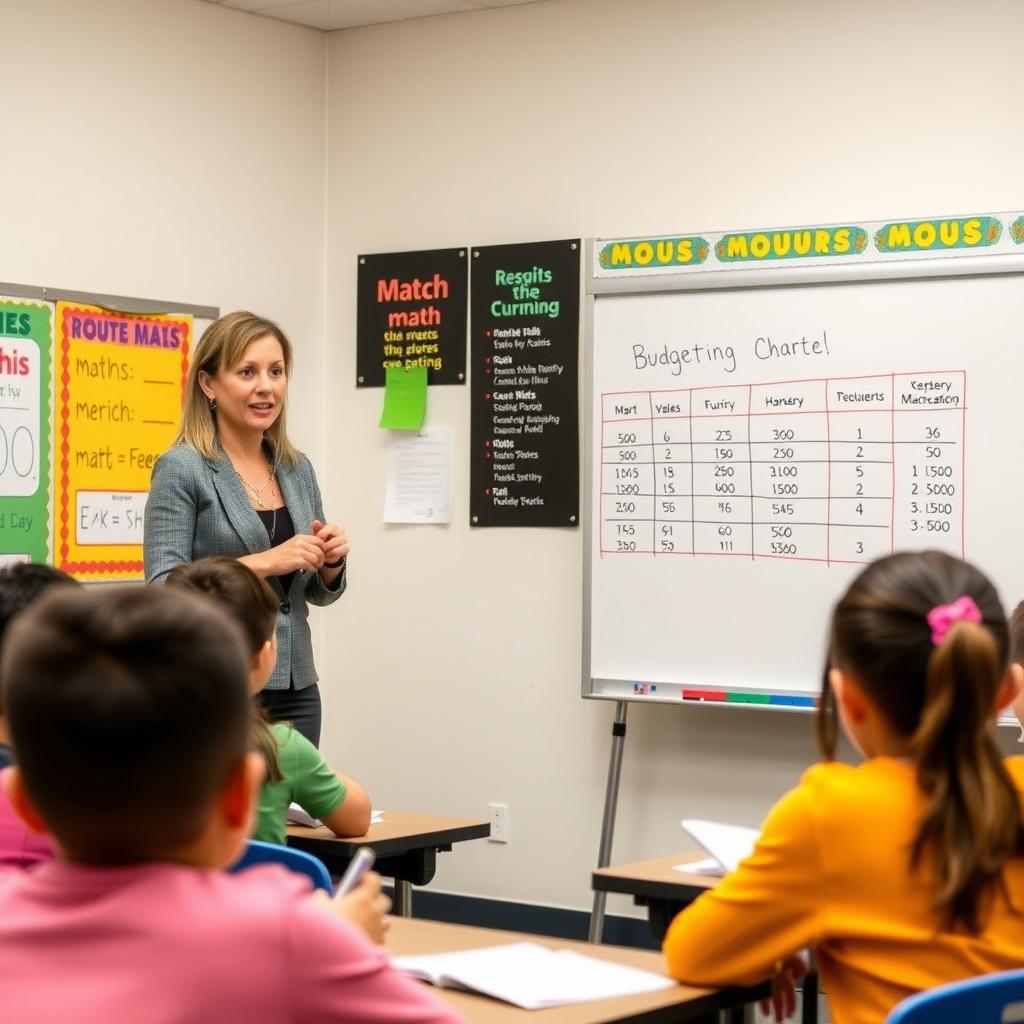
Consider Sarah, a graphic designer who volunteered at a local high school. She helped students design a logo for their environmental club, teaching them about branding and design software. The students not only gained practical skills but also felt empowered to promote their cause. Similarly, a financial analyst named Mark volunteered to teach a budgeting workshop at a middle school. His sessions helped students understand money management, a skill rarely covered in standard curricula.
These examples show how skill-based volunteering in education creates ripple effects. Students gain confidence, practical knowledge, and exposure to careers they might not otherwise consider.
How to Get Started as a Volunteer
Getting involved is easier than you might think. Here’s a step-by-step guide to make an impact:
- Identify Your Skills: Reflect on what you do best. Are you great at public speaking, coding, or project management? Schools need a wide range of expertise.
- Research Local Needs: Contact nearby schools or check platforms like VolunteerMatch to find opportunities that align with your skills.
- Start Small: Commit to a one-time workshop or a short mentoring session. This lets you test the waters without overwhelming your schedule.
- Collaborate with Teachers: Work with educators to ensure your contribution aligns with their curriculum or goals.
- Measure Your Impact: Ask for feedback from students or staff to refine your approach and make future efforts even more effective.
A study by the Corporation for National and Community Service found that volunteers who use their professional skills report higher satisfaction and impact compared to general volunteering.
Challenges and How to Overcome Them
Volunteering isn’t without hurdles. Time constraints, lack of experience working with students, or unclear school needs can deter professionals. Here’s how to navigate these:
- Time Management: Opt for short-term commitments, like a one-hour workshop, to fit volunteering into a busy schedule.
- Comfort with Students: If you’re new to working with kids, partner with a teacher or start with small groups to build confidence.
- Understanding Needs: Meet with school administrators to clarify how your skills can address specific gaps.
By addressing these challenges, professionals can make volunteer work sustainable and rewarding.

Benefits for Professionals and Schools
Skill-based volunteering isn’t just good for schools—it benefits professionals too. Here’s how:
| Benefit | For Professionals | For Schools |
|---|---|---|
| Skill Development | Hone leadership and communication skills | Access expertise without budget strain |
| Networking | Connect with educators and community leaders | Build community partnerships |
| Fulfillment | Find purpose in giving back | Enhance student learning and engagement |
Professionals often find that volunteering boosts their resume and personal growth. Schools, meanwhile, gain resources that elevate their programs. A Harvard Business Review article on corporate volunteering highlights how skill-based contributions create measurable community impact.
Making a Lasting Impact
The key to meaningful volunteering is consistency and alignment with school goals. Whether you mentor a student, redesign a school’s website, or serve on a board, your expertise can shape young minds and strengthen educational systems. Start by reaching out to a local school or organization today. Your skills could be the spark that changes a student’s future.
Summary
Professionals can transform schools by sharing their expertise through skill-based volunteering. From mentorship to project support, these efforts bridge resource gaps and inspire students. By starting small and aligning with school needs, anyone can make a difference. Explore the recommended readings below to learn more and get started.