How Service Learning Boosts Student Success
Discover how service learning enhances student success through academic achievement, personal growth, and career readiness while fostering civic engagement.
5 min read
Overview
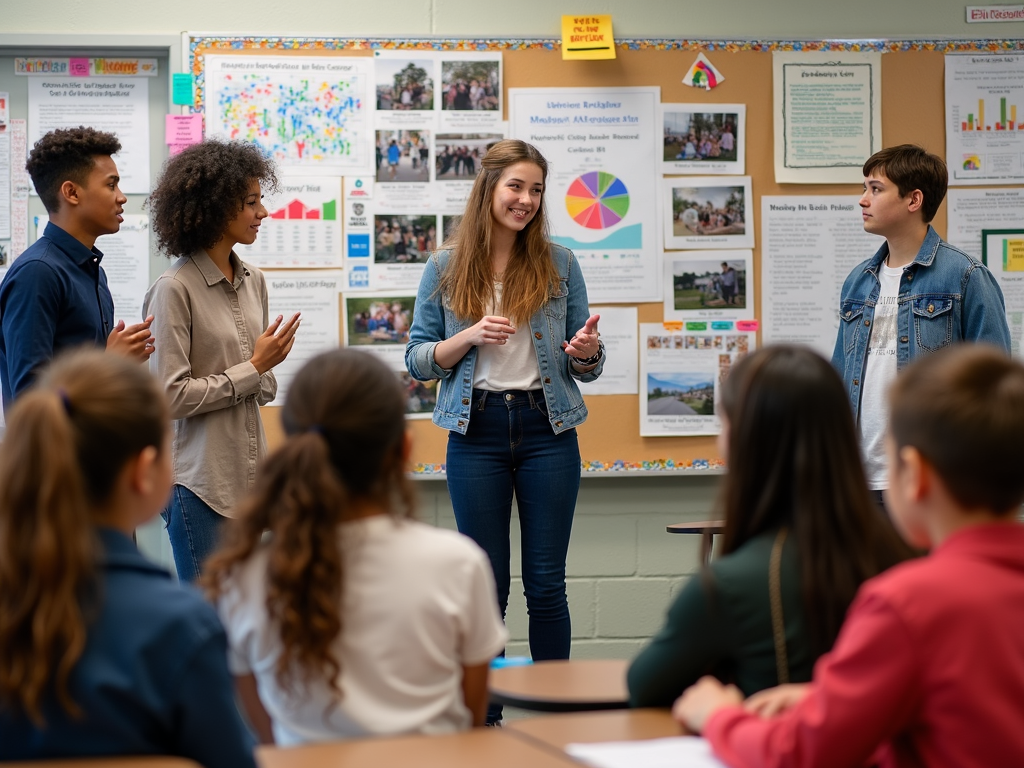
How does helping others help you learn? Service learning might be the answer. This educational approach combines classroom learning with community service, offering students a unique way to apply their knowledge while making a difference. But how exactly does it boost student success? In this article, we’ll explore the many ways service learning enhances academic performance, personal growth, and career readiness, all while fostering a sense of civic engagement.
What is Service Learning?
Service learning is more than just volunteering. It’s a teaching method that integrates meaningful community service with academic instruction. Unlike traditional classroom learning, service learning encourages students to apply what they’ve learned in real-world settings. Whether it’s tutoring children, cleaning up a local river, or assisting in a healthcare clinic, service learning projects are designed to meet community needs while enhancing student learning.
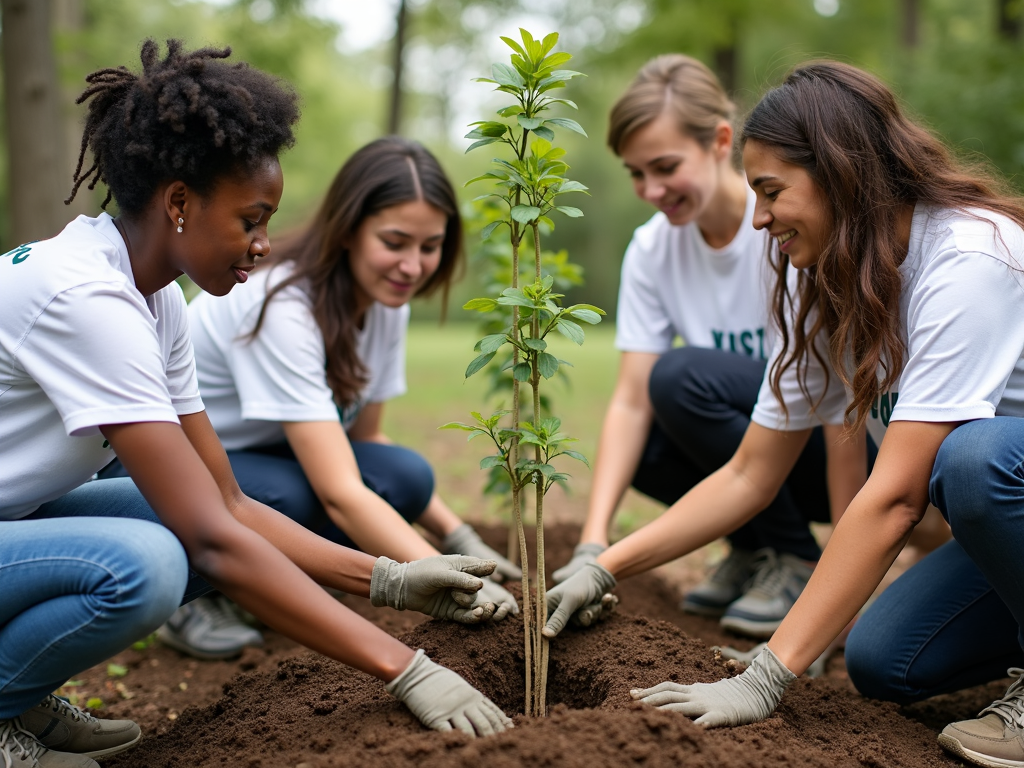
For example, a student studying environmental science might participate in a project to restore a wetland, applying their knowledge of ecosystems while contributing to environmental conservation. This hands-on experience not only reinforces classroom learning but also makes the subject matter more relevant and memorable.
Academic Benefits of Service Learning
Service learning doesn’t just benefit the community—it also boosts academic performance. When students engage in service learning, they’re more likely to understand and retain course material. Why? Because they’re applying theoretical concepts to real-life situations.
- Deeper Understanding: By working on projects that require problem-solving and critical thinking, students gain a deeper understanding of their subjects.
- Increased Engagement: Service learning makes learning more interactive and engaging, which can lead to higher attendance and participation rates.
- Improved Grades: Studies have shown that students who participate in service learning often see improvements in their grades and test scores.
For instance, a study by the National Service-Learning Clearinghouse found that students involved in service learning scored higher on standardized tests than their peers who did not participate.

Personal Growth Through Service
Beyond academics, service learning fosters personal growth. By working with diverse groups and tackling real community issues, students develop empathy, cultural awareness, and a sense of social responsibility.
- Empathy and Compassion: Service learning exposes students to different perspectives, helping them understand the challenges faced by others.
- Leadership Skills: Many service learning projects require students to take on leadership roles, boosting their confidence and communication skills.
- Lifelong Civic Engagement: Students who participate in service learning are more likely to volunteer and engage in their communities long after their projects end.
Take, for example, a student who volunteers at a homeless shelter. Through this experience, they not only learn about social issues but also develop a deeper sense of empathy and a commitment to helping others.

Career Advantages of Service Learning
Service learning also provides a competitive edge in the job market. Employers value candidates who have real-world experience, and service learning offers just that.
- Skill Development: Students gain practical skills such as project management, teamwork, and problem-solving.
- Networking Opportunities: Service learning projects often involve collaboration with local organizations, providing valuable networking opportunities.
- Resume Boost: Participation in service learning can make a resume stand out, showing a commitment to community and personal development.
For example, a business student who organizes a fundraising event for a local charity gains experience in event planning, marketing, and leadership—all skills that are highly transferable to the workplace.
Challenges and Criticisms of Service Learning
While service learning offers many benefits, it’s not without its challenges. Some critics argue that it can take time away from traditional classroom learning or that it may not always be implemented effectively.
- Time Commitment: Balancing service projects with academic responsibilities can be challenging for students.
- Quality of Experience: Not all service learning projects are created equal. Poorly designed projects may not provide the intended learning outcomes.
- Assessment Difficulties: Measuring the impact of service learning on student success can be complex.
However, when done right, service learning can be a powerful tool for education. Schools and educators must ensure that projects are well-structured and aligned with learning objectives to maximize their impact.
Real-World Examples of Service Learning
Service learning takes many forms, from local initiatives to international projects. Here are a few examples:
- Tutoring Programs: College students tutor elementary school children in reading and math, applying their knowledge while helping younger students succeed.
- Environmental Conservation: Students work with local environmental groups to clean up parks, plant trees, or restore habitats.
- Health Education: Nursing students provide health screenings and education in underserved communities, gaining practical experience while serving public health needs.
These projects not only benefit the community but also provide students with invaluable learning experiences.

The Future of Service Learning
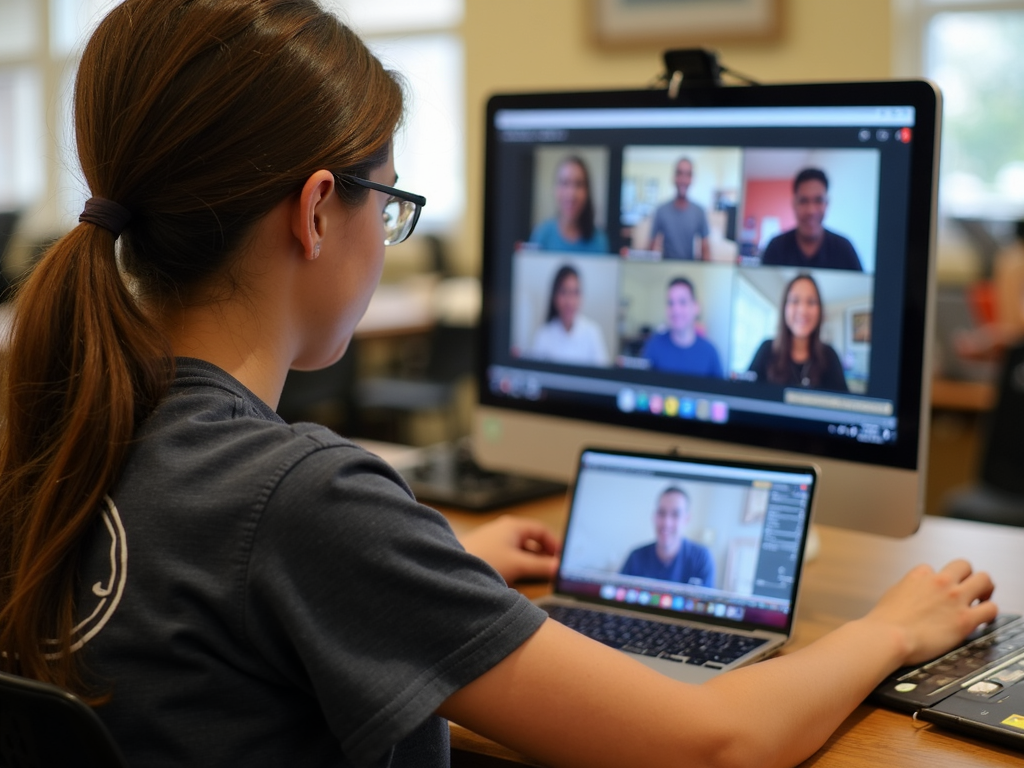
As education evolves, so does service learning. With the rise of technology, virtual service learning opportunities are becoming more common, allowing students to contribute to global causes from their own homes. Additionally, as societal needs change, service learning projects are adapting to address issues like climate change, social justice, and public health.
For example, during the COVID-19 pandemic, many service learning projects shifted to virtual formats, with students creating online resources or providing remote tutoring. This adaptability ensures that service learning remains relevant and impactful.
Getting Involved in Service Learning
So, how can you get involved in service learning? Whether you’re a student, educator, or community member, there are opportunities to make a difference.
- Students: Talk to your school’s service learning coordinator or look for courses that incorporate service learning.
- Educators: Consider integrating service learning into your curriculum. Start small with a single project and build from there.
- Community Members: Partner with local schools to offer service learning opportunities. Your organization can benefit from student involvement while providing valuable learning experiences.
Service learning is a win-win for everyone involved. It’s a powerful way to enhance education, build community, and prepare students for success in all areas of life.
Summary
Service learning is more than just a teaching method—it’s a transformative experience that boosts student success in academics, personal growth, and career readiness. By combining classroom learning with community service, students gain a deeper understanding of their subjects, develop essential life skills, and prepare for future careers. While challenges exist, the benefits far outweigh the drawbacks. As service learning continues to evolve, it remains a vital tool for fostering civic engagement and creating well-rounded, successful students.