How Social Media Fuels Grassroots Change: The Power of Online Activism
Discover how social media platforms are empowering grassroots movements and shaping political landscapes. Learn about the impact of online activism and how you can get involved.
3 min read

Overview
Social media has changed how we connect and organize. It’s now a key tool for grassroots movements to spread their message and push for change. This article explores how social media fuels grassroots change, its political impact, and ways you can join in through advocacy and volunteering.
The Rise of Grassroots Power Online
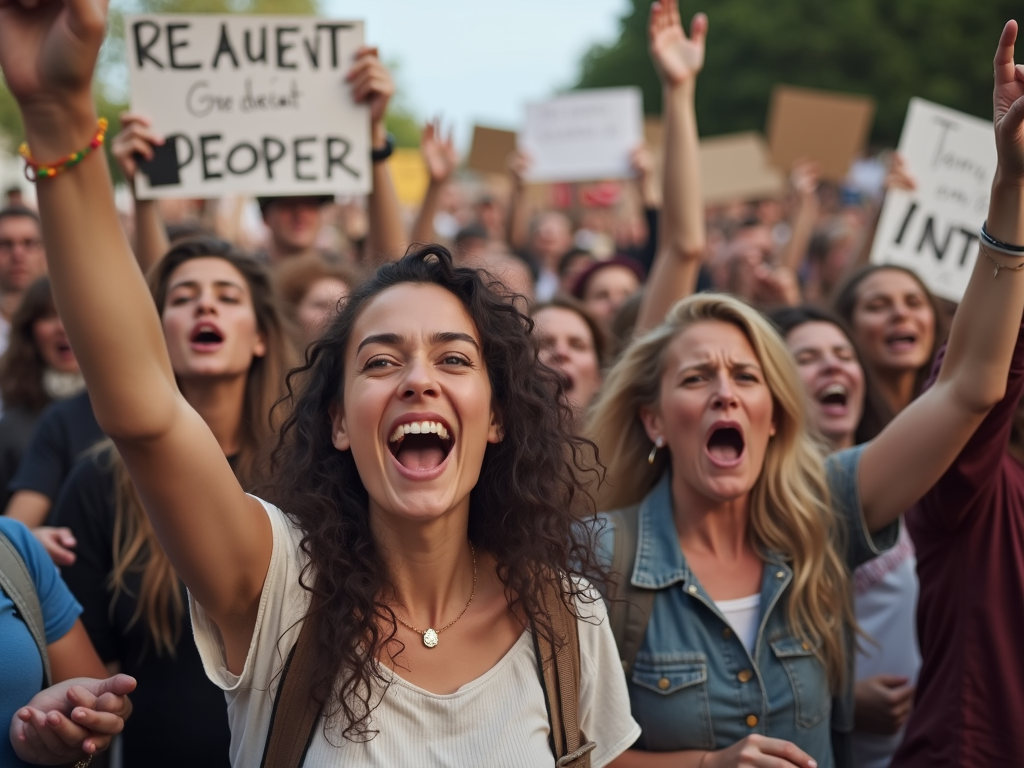
Grassroots movements start with everyday people wanting to make a difference. Before social media, they relied on meetings, flyers, and word of mouth. Now, platforms like Twitter and Instagram let them reach millions instantly. This shift has made organizing faster and more powerful.
Take the #MeToo movement. In 2017, a single hashtag sparked a worldwide conversation. People shared their stories of harassment, building a wave of support. It didn’t just raise awareness—it led to real action, like new workplace rules and holding powerful people accountable.

Then there’s the Arab Spring. Starting in 2010, activists used Facebook and Twitter to plan protests across the Middle East. They shared updates and videos, dodging government censorship. This helped topple regimes and showed how social media can fuel massive change.
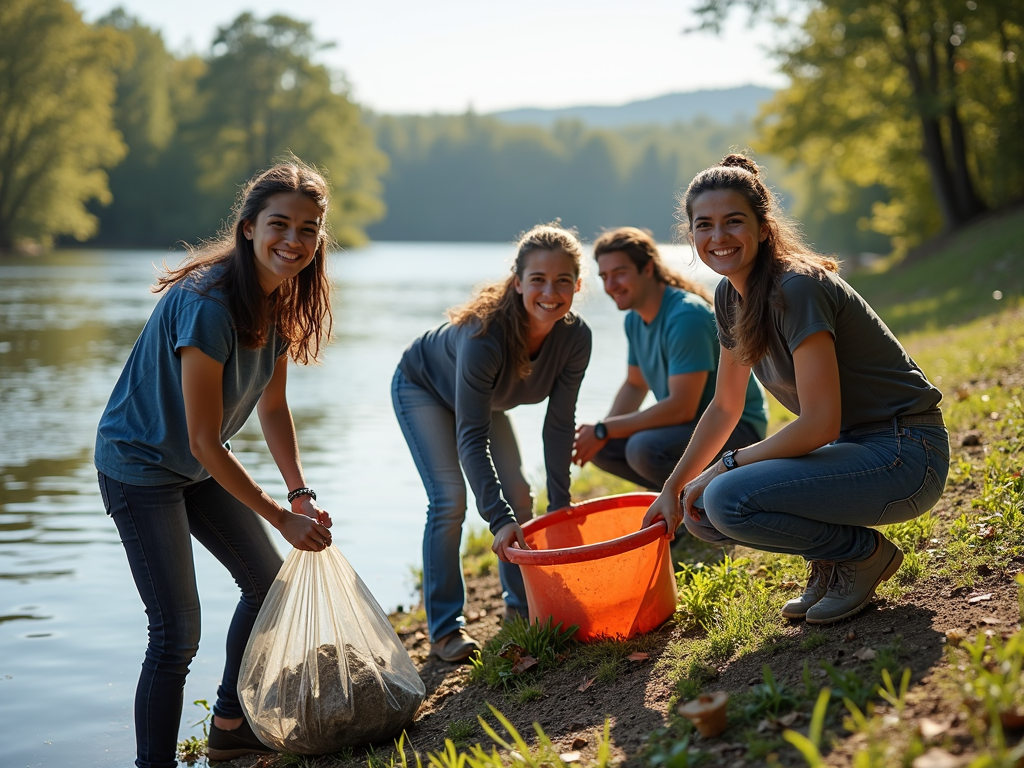
I’ve seen this power firsthand. A few years ago, I joined a local environmental group. We used Instagram to share photos of polluted rivers and got hundreds of people to a cleanup event. Without social media, we’d have struggled to get the word out.
How Grassroots Movements Are Shaping Politics
Social media isn’t just for protests—it’s changing politics too. Candidates now use it to talk directly to voters. During the 2020 U.S. election, I watched campaigns flood Twitter with ads and live streams to win support. It felt personal, not distant like old-school politics.
Grassroots groups also use it for advocacy. They push for laws on issues like climate change or healthcare. For example, Fridays for Future uses #FridaysForFuture to rally young people globally. Their posts get millions of views, pressuring leaders to act.
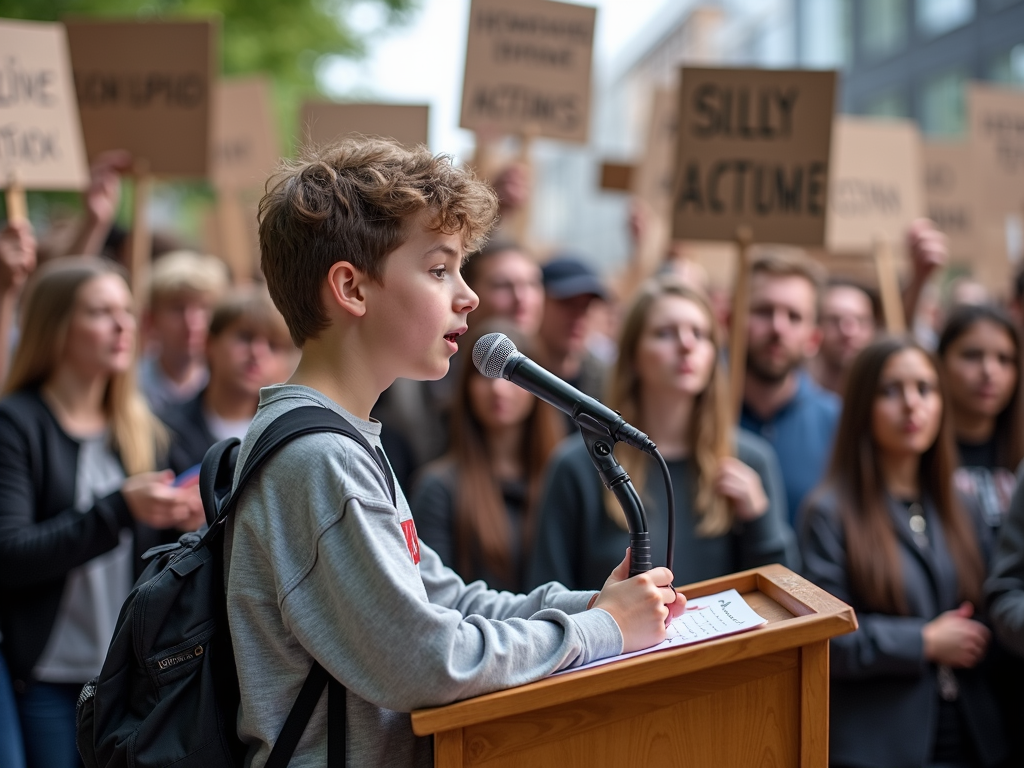
Advocacy volunteering in political campaigns has grown too. Volunteers don’t need to knock on doors anymore. They can share posts, host Zoom calls, or run social media pages from home. I once helped a local candidate by tweeting updates—it reached voters we’d never have met in person.
Here’s some data: A 2021 Pew Research study found 53% of Americans use social media to support causes they care about. Another report from the Knight Foundation said 74% think it’s key for raising political awareness. Numbers like these show its real impact.
Challenges to Watch Out For
It’s not all perfect. Misinformation can spread fast—I’ve seen fake news derail good causes. Plus, online echo chambers mean people might only hear what they already believe. Activists have to work hard to keep their message clear and true.
Still, the benefits outweigh the downsides. Social media gives power to people who’ve been ignored. It connects us across the world. I’ve made friends through online groups I’d never have met otherwise, all because we care about the same things.
How You Can Get Involved
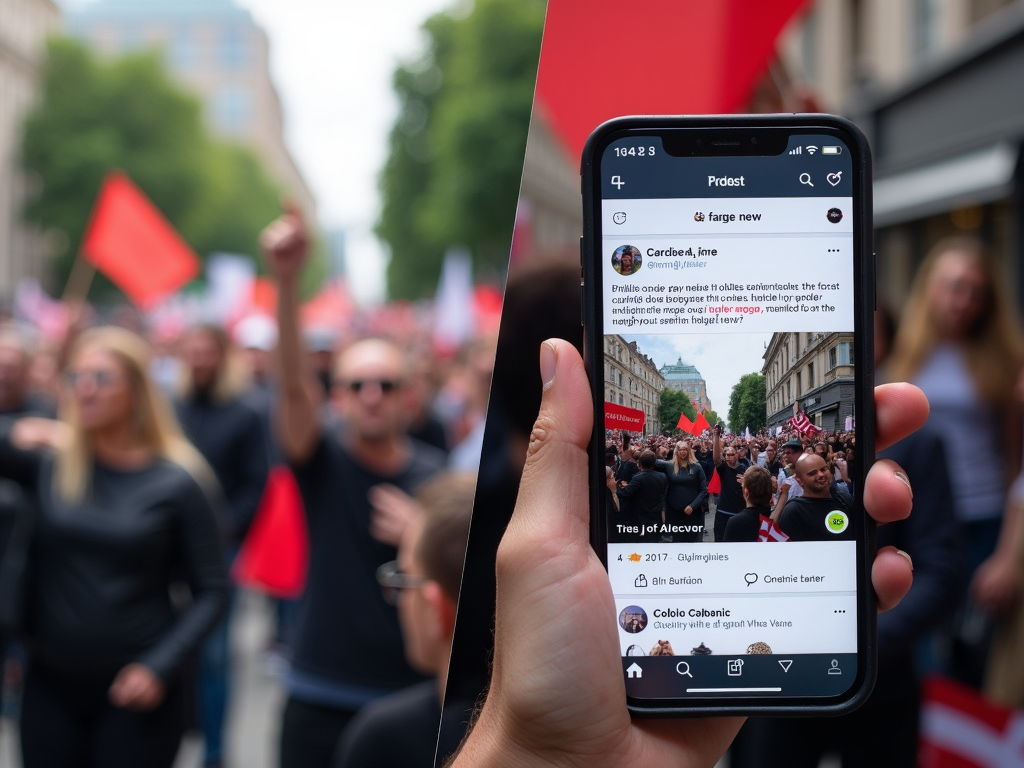
Want to jump in? It’s easy. Follow groups that match your passions—whether it’s social justice or the environment. Share their posts, join chats, and use hashtags to spread the word. You’re already helping just by doing that.
You can also volunteer. Many campaigns need people to make content or manage pages. I started by writing tweets for a nonprofit—it took an hour a week but made a difference. Look for opportunities on platforms like Facebook or LinkedIn.
Tips for Online Advocacy
Here’s a quick list to start: - Be real: Share your own story to connect with others. - Stay focused: Pick one cause to keep your energy strong. - Check facts: Don’t share anything you’re not sure is true. - Engage: Reply to comments to build a community.
You could also try this table to pick the best platform for your cause:
| Platform | Best For | Reach Potential |
|---|---|---|
| Fast updates, hashtags | High | |
| Photos, young audiences | Medium-High | |
| Groups, events | High |
Choose based on what your movement needs most.

Summary
Social media has turned grassroots activism into a global force. It’s shaping politics, connecting people, and giving everyone a voice. Whether you’re into advocacy or just want to volunteer, you can make a difference online. Start today—share a post, join a cause, and help change the world.