How to Advocate for Climate Change Solutions: A Beginner's Guide
Learn how to advocate for climate change solutions with this comprehensive guide. Discover practical steps, volunteer opportunities, and strategies to make a real impact in environmental advocacy, perfect for beginners eager to drive change.
4 min read
Overview
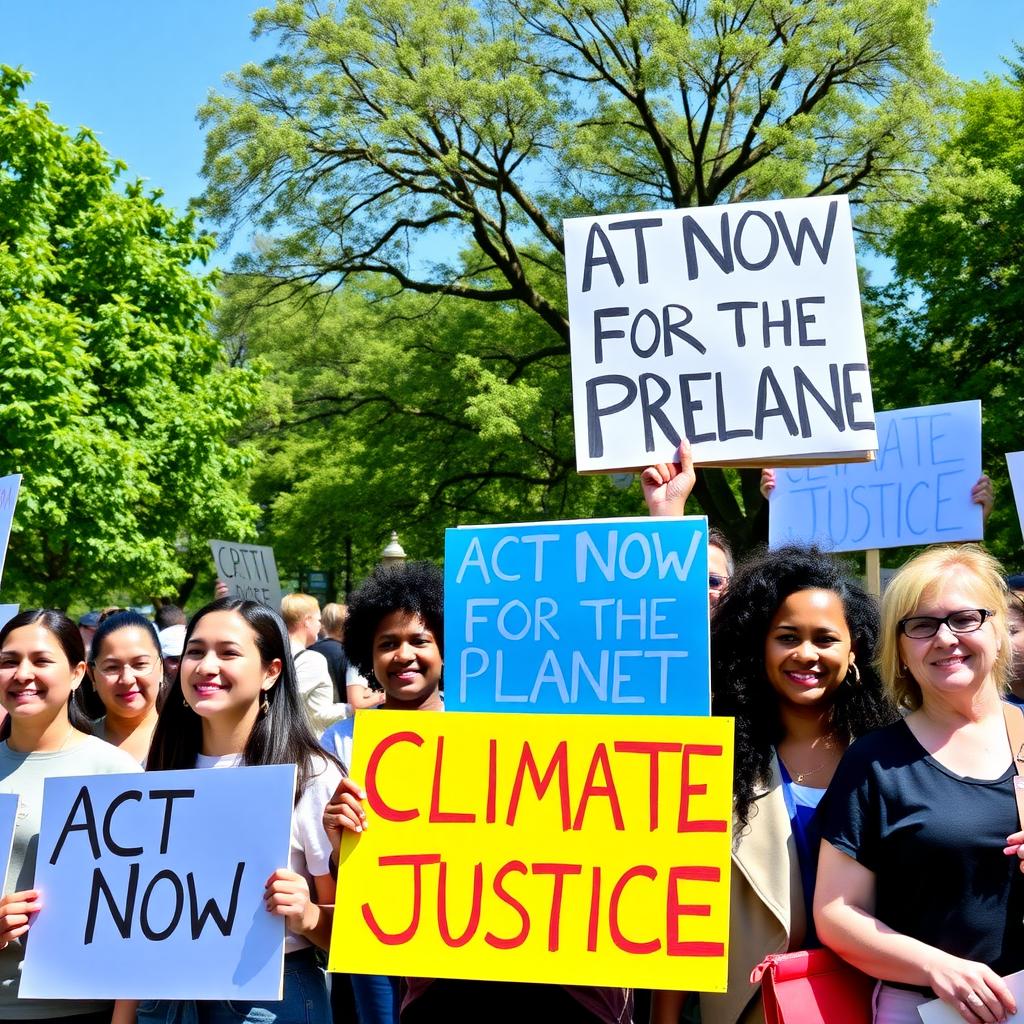
Climate change is one of the biggest challenges we face today. Rising temperatures, extreme weather, and shrinking ecosystems demand action. If you’re new to advocacy, don’t worry—this guide will show you how to advocate for climate change solutions effectively. From volunteering to speaking out, you’ll find clear, actionable steps to make a difference.
Why Advocacy Matters
Advocacy isn’t just about raising awareness—it’s about pushing for real change. Whether it’s stronger policies, corporate accountability, or community action, your voice can shape the future. I’ve seen firsthand how a single passionate person can inspire others. A friend of mine started by sharing local climate events on social media, and soon, her small group turned into a community cleanup movement. Advocacy starts small but grows fast.
To begin, understand that advocacy isn’t one-size-fits-all. You can write to lawmakers, join protests, or volunteer with advocacy groups. Each action counts. The key is finding what fits your skills and passion. This guide will break it down into practical steps, so you can start today.

Step 1: Educate Yourself First
Before advocating, you need to know the facts. Climate change is complex, but you don’t need a science degree to understand it. Start with reliable sources like the Intergovernmental Panel on Climate Change (IPCC) reports or NASA’s climate website. These break down the science in clear terms—think rising CO2 levels and their impact on global temperatures.
Focus on local issues, too. Is your town dealing with flooding or heatwaves? Learn how climate change affects your community. For example, I live near a river that’s flooded twice in five years. Researching local impacts helped me connect with neighbors who cared about the same issues. Knowledge builds confidence, and confidence makes your advocacy stronger.
Step 2: Find Your Advocacy Style
Not everyone loves public speaking, and that’s okay. Advocacy comes in many forms. Here’s a quick table to help you find your fit:
| Advocacy Type | Best For | Example Action |
|---|---|---|
| Grassroots | People who love community | Organize cleanups |
| Policy | Detail-oriented folks | Write to lawmakers |
| Digital | Social media savvy | Share climate facts online |
| Creative | Artists and writers | Create murals or blogs |
Try one or mix a few. I started with digital advocacy, sharing infographics on Instagram. It was low-pressure and reached people I’d never meet in person.
Step 3: Volunteer with Advocacy Groups
Volunteering is one of the best ways to get involved. The beginner’s guide to volunteering in environmental advocacy starts with finding the right group. Look for organizations like 350.org, Greenpeace, or local nonprofits. These groups often need help with events, campaigns, or outreach.
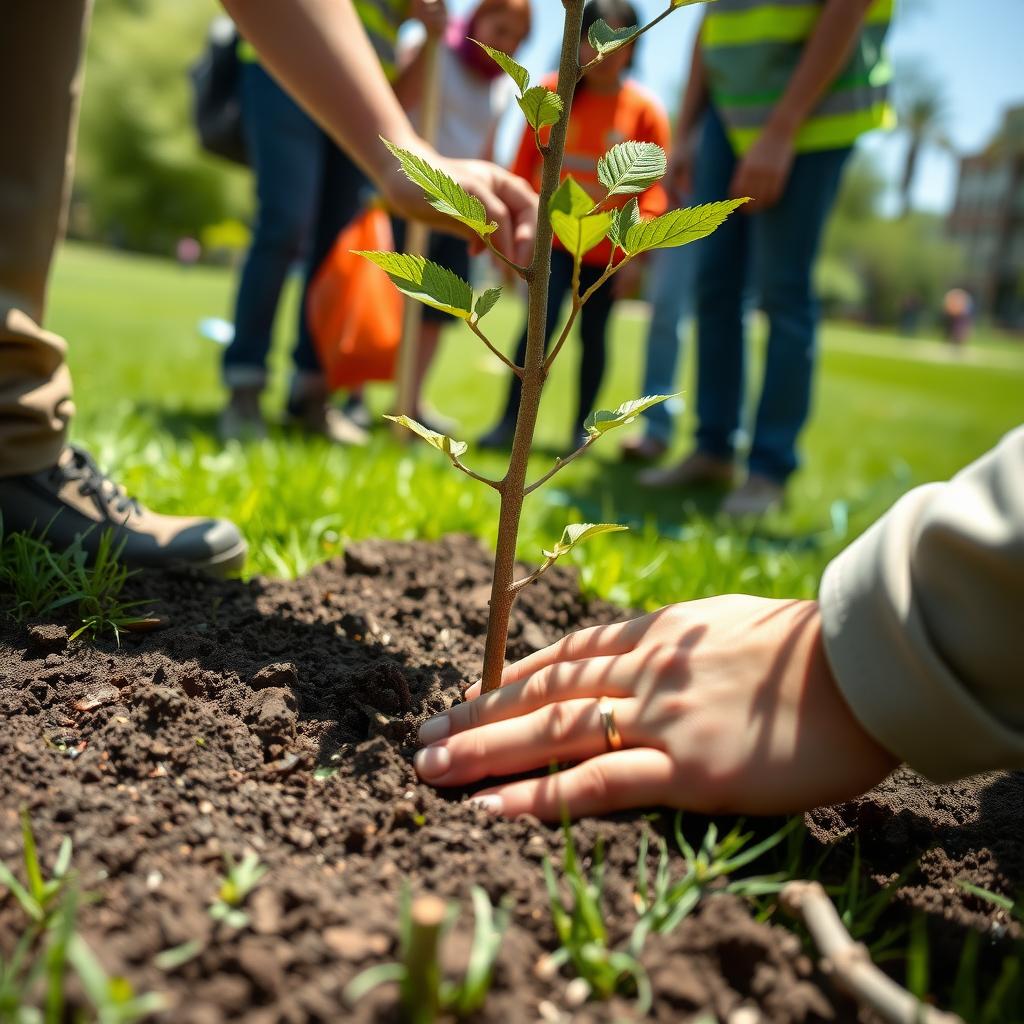
Volunteer opportunities in advocacy groups vary. You might hand out flyers, lead workshops, or join policy discussions. I volunteered with a local group to plant trees in urban areas. It was hard work but rewarding—every tree we planted felt like a small victory. Check websites like VolunteerMatch.org to find opportunities near you.
Step 4: Speak Up Effectively
Advocacy means using your voice. Whether it’s a letter to a politician or a post on X, clarity matters. Here’s how to make your message stick:
- Be Clear: Use simple facts. For example, “Climate change causes 150,000 deaths yearly, per the World Health Organization.”
- Be Personal: Share why you care. Maybe your kids’ future motivates you.
- Be Respectful: Avoid attacking others. Focus on solutions like renewable energy or conservation.
I once wrote to my city council about expanding bike lanes to cut emissions. I shared how biking saved me money and reduced my carbon footprint. They responded, and a year later, we got new lanes. Your words can spark change.
Step 5: Build a Community
Advocacy is stronger together. Connect with others who care about climate solutions. Start a local group or join one. Host a movie night with a documentary like Before the Flood to spark discussion. I organized a small meetup at a coffee shop to talk about plastic waste. Ten people showed up, and we ended up planning a beach cleanup.
Social media is great for this, too. Platforms like X let you share ideas and find local events. Search for hashtags like #ClimateAction or #EcoFriendly to connect with others.
Step 6: Stay Committed
Advocacy isn’t a one-time thing. It’s easy to feel overwhelmed, but small, consistent actions add up. Set goals—like volunteering once a month or writing one letter a week. Track your impact. For example, after a year of volunteering, I calculated we’d planted 50 trees, offsetting roughly 1,000 pounds of CO2.
Celebrate wins, too. When my town banned single-use plastics, our advocacy group threw a party. It kept us motivated for the next fight.

Overcoming Common Challenges
Advocacy isn’t always easy. Here are common hurdles and how to tackle them:
- Feeling Overwhelmed: Focus on one issue, like reducing plastic waste.
- Lack of Time: Start small, like signing petitions online.
- Fear of Speaking Out: Practice with friends or small groups first.
I struggled with feeling like my efforts were too small. Talking to other advocates helped me see that every action counts. You’re not alone in this.
Summary
Advocating for climate change solutions is about taking small, meaningful steps. Educate yourself, find your advocacy style, volunteer, speak up, build a community, and stay committed. Whether you’re planting trees or writing to lawmakers, your actions matter. Start today, and you’ll inspire others to join the fight for a healthier planet.