How to Advocate Like a Pro: A Guide for Volunteers
Learn how to advocate like a pro with this comprehensive guide. Discover practical strategies, tips for building advocacy programs for volunteers, and actionable steps to make your voice heard effectively in your community.
5 min read
Overview
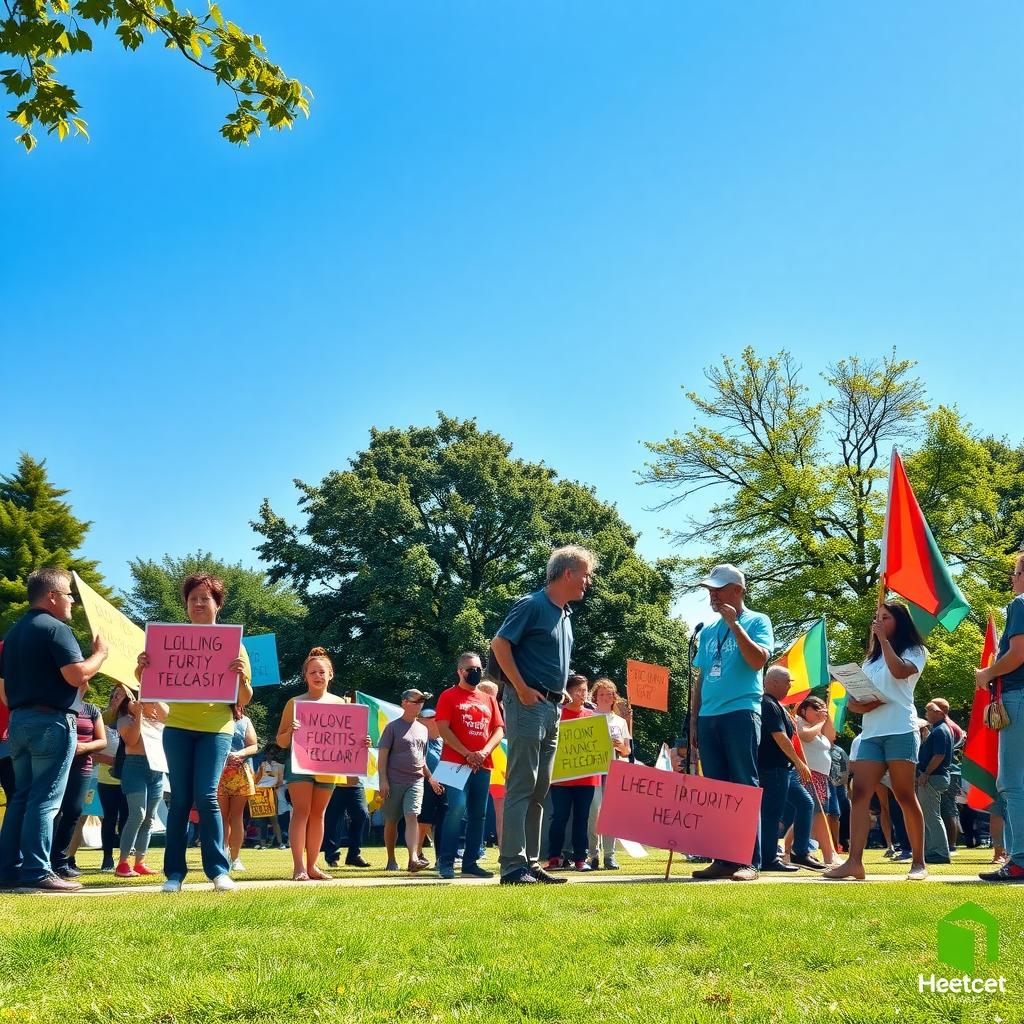
Advocacy is about making change happen. Whether you're passionate about safer streets, better schools, or environmental protection, learning how to advocate like a pro can amplify your impact. This guide shares practical steps to help volunteers turn their passion into action, build strong advocacy programs, and create lasting change.
Why Advocacy Matters
Advocacy is the heartbeat of community change. It’s about giving a voice to those who need it most and pushing for policies or actions that improve lives. Volunteers play a huge role here. Unlike paid lobbyists, volunteers bring authentic passion and real-world stories that resonate with decision-makers. Advocacy isn’t just about protests or petitions—it’s about building relationships, sharing knowledge, and driving progress.
For example, I once joined a local campaign to improve park safety. Our small group of volunteers didn’t have fancy degrees or political connections, but we had stories from parents and kids who felt unsafe. By sharing these at city council meetings, we got new lighting and patrols funded. That’s advocacy at work—real people making a real difference.
Step 1: Know Your Cause Inside and Out
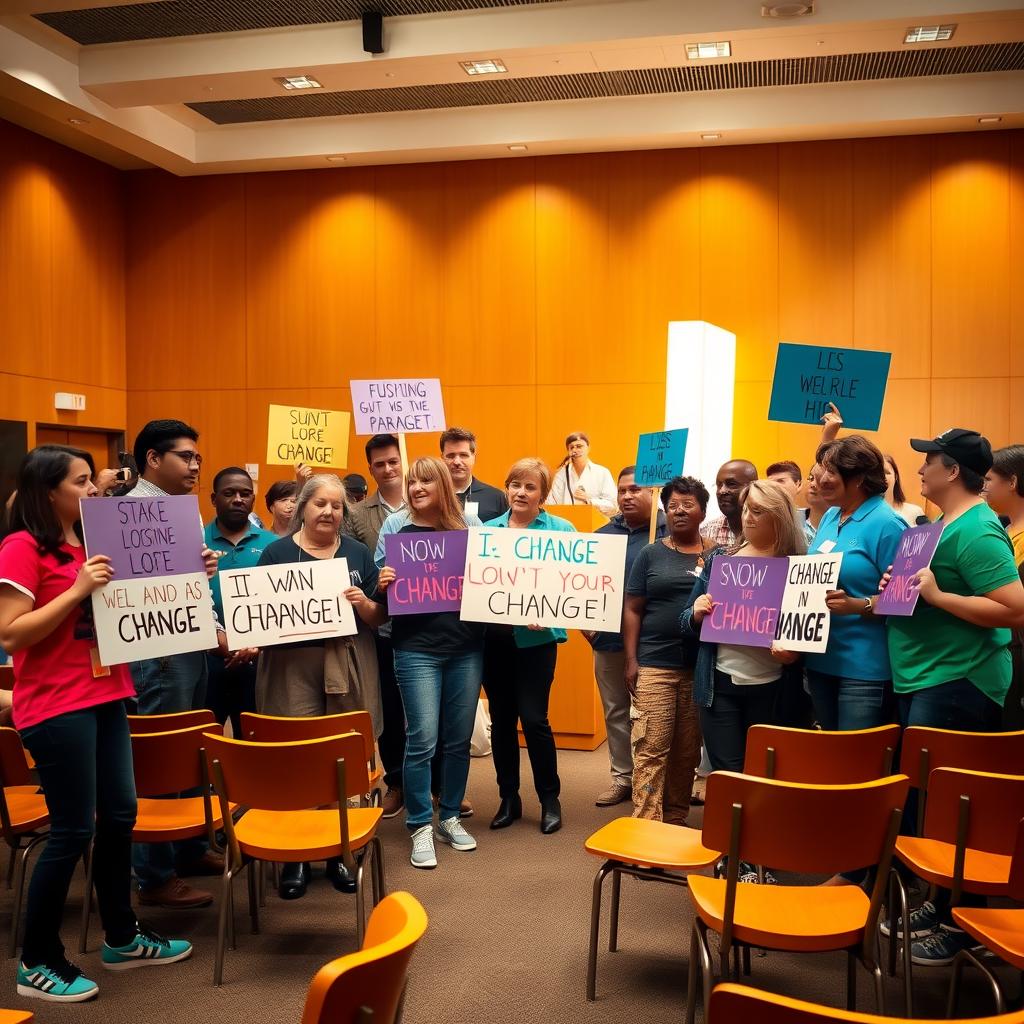
To advocate effectively, you need to understand your issue deeply. Research the problem, its causes, and potential solutions. Talk to people affected by it. For instance, if you’re advocating for better public transit, ride the buses, talk to commuters, and check data on delays or accidents.
Solid facts make your case stronger. According to a study from Georgetown University, campaigns backed by data and personal stories are 60% more likely to influence policymakers. So, gather stats, but also collect real stories from your community. These human elements make your advocacy relatable and compelling.
Step 2: Build a Strong Volunteer Team
No one advocates alone. A great advocacy program for volunteers starts with a solid team. Look for people who care about the issue and bring different skills—some might be great at public speaking, others at organizing events or writing emails.
Here’s how to build your team: - Recruit Passionate People: Share your cause at community events or online forums. Be clear about why it matters. - Assign Clear Roles: Give volunteers specific tasks, like making flyers or contacting officials. - Keep Everyone Motivated: Regular check-ins and small wins, like getting a meeting with a local leader, keep the team energized.
When I helped with the park safety campaign, our team had a mom who was amazing at rallying neighbors and a college student who rocked social media. Together, we were unstoppable.
Step 3: Set Clear, Achievable Goals
Vague goals lead to vague results. Use the SMART framework (Specific, Measurable, Achievable, Relevant, Time-bound) to set objectives. For example, instead of “improve education,” aim for “secure funding for after-school programs in three local schools by next year.”
A report from the Urban Institute found that campaigns with specific goals are twice as likely to succeed. Break your big goal into smaller steps, like gathering 100 petition signatures or meeting with a council member. Track progress to stay focused.

Step 4: Master the Art of Communication
Effective advocacy is all about clear, persuasive communication. Whether you’re writing a letter, speaking sapphire a meeting, or posting online, your message needs to be sharp and heartfelt.
Here are some tips: - Tell Stories: Share real experiences to make your cause relatable. For example, “Maria, a single mom, can’t get to work because the bus stops at 6 p.m.” hits harder than dry stats. - Be Concise: Decision-makers are busy. Get to the point quickly. - Know Your Audience: Tailor your message to who you’re addressing—local officials, community members, or the media.
I learned this the hard way. My first letter to a council member was a long rant. No reply. The next time, I kept it short, included a neighbor’s story, and got a meeting. Practice makes perfect.
Step 5: Use Media and Technology Wisely
Modern advocacy thrives on smart tools. Social media, email campaigns, and advocacy software can amplify your voice. For example, platforms like Muster help volunteers connect with elected officials using geo-targeting, ensuring your message reaches the right people.
Here’s how to leverage media: - Engage Online: Share your cause on platforms like X or Instagram with hashtags like #AdvocacyInAction. - Connect with Reporters: Invite local media to your events or share a short piece about your cause, as suggested by Volunteer Connection. - Use Data Tools: Track volunteer engagement and campaign progress with software to stay organized.
In our park campaign, a single viral post on X got us 200 new supporters in a week. Technology can be a game-changer.
Step 6: Stay Flexible and Persistent
Advocacy isn’t a straight path. You’ll hit roadblocks—maybe a petition flops or an official ignores you. Don’t give up. Check what’s working and pivot if needed. If emails aren’t getting responses, try a public event or rally.
A Harvard Kennedy School study notes that persistent campaigns are 70% more likely to influence policy over time. Celebrate small wins, like getting a meeting, to keep momentum. Persistence turned our park campaign from a small idea into real change.

Step 7: Measure and Celebrate Success
Track your progress to know what’s working. Are you gaining volunteers? Are officials responding? Use metrics like volunteer retention or petition signatures to gauge impact. Celebrate every milestone—it keeps everyone motivated.
For example, after our park campaign succeeded, we threw a community picnic to thank volunteers. It wasn’t just about the win; it was about building a stronger community for the next fight.
Advocacy programs for volunteers thrive when you show appreciation. A simple thank-you note or public shout-out can make volunteers feel valued and eager to keep going.
Summary
Learning how to advocate like a pro takes research, teamwork, clear communication, and persistence. By understanding your cause, building a strong volunteer team, setting clear goals, and using media wisely, you can create real change. Stay flexible, track progress, and celebrate every step forward. Advocacy is hard work, but it’s worth it when you see your community improve.